

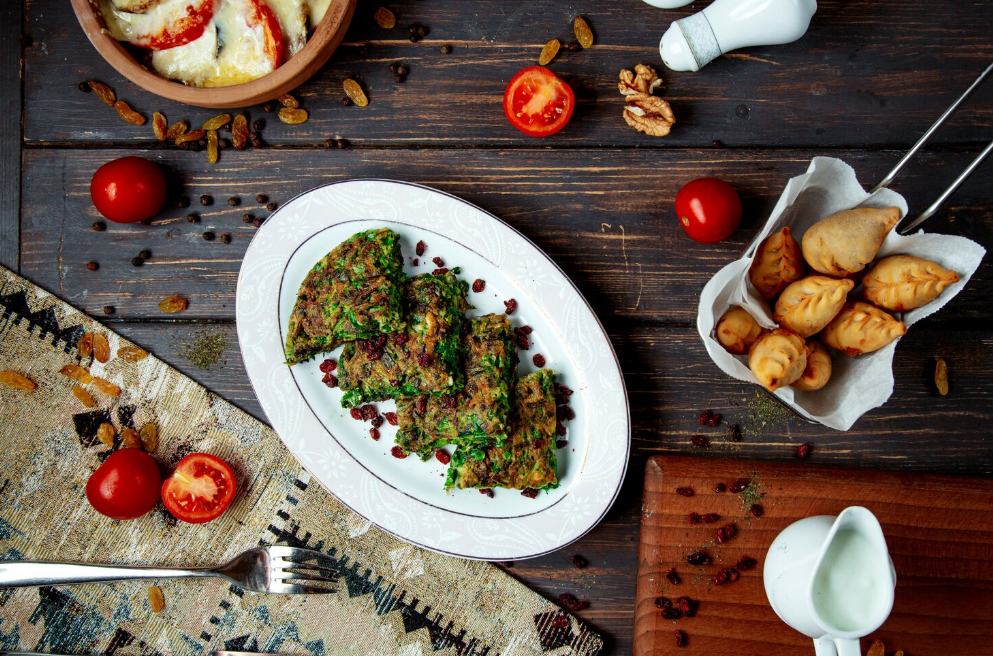
Moroccan cuisine often conjures images of slow-simmering tagines, the aromatic drift of cumin and saffron filling a kitchen for hours, and the communal ritual of breaking bread at sunset. While this traditional approach yields incredible depth of flavor, it presents a logistical hurdle for the modern household. The misconception that authentic Moroccan food requires an entire afternoon of preparation prevents many home cooks from exploring these vibrant flavors on busy weeknights. However, the reality of North African cooking is far more adaptable. By leveraging specific spice blends, understanding the chemistry of rapid-cooking proteins, and utilizing modern kitchen tools, one can produce dishes that honor tradition while adhering to a tight thirty-minute window. This guide deconstructs the essential elements of rapid Moroccan cooking, offering a pathway to high-flavor, low-effort dinners that satisfy both the palate and the schedule.
The Foundation: Building Flavor Without the Wait
The secret to accelerating Moroccan cooking lies not in skipping steps, but in optimizing the flavor base. Traditional recipes often begin with a sofrito of onions, garlic, and spices cooked slowly until caramelized. In a quick-cooking context, this process is modified by controlling heat intensity and particle size. Finely mincing aromatics increases their surface area, allowing them to release volatile oils almost instantly when hit with hot oil. This technique, supported by culinary science regarding Maillard reaction kinetics, ensures that the foundational taste profile develops within minutes rather than half an hour.
Central to this speed is the quality and preparation of the spice blend. Ras el Hanout, the complex “top of the shop” spice mix, is the backbone of countless dishes. Purchasing a high-quality, pre-mixed blend from a reputable source like Penzeys Spices or grinding fresh whole spices using a dedicated spice grinder eliminates the time-consuming measure-and-mix phase. Freshly ground spices possess significantly higher concentrations of essential oils compared to pre-ground varieties sitting on a shelf, meaning less quantity is needed to achieve a potent flavor impact. This potency allows the cook to add spices later in the process, perhaps directly to the protein or vegetables, without needing a long simmer to wake them up.
Another critical component is the use of preserved lemons and olives. These ingredients are already cured and intensely flavored, requiring no cooking time to develop their characteristic taste. Adding sliced preserved lemon and brine-cured olives in the final five minutes of cooking infuses the dish with the bright, salty acidity typical of Moroccan stews. Resources like The Kitchn’s guide to preserved lemons highlight how these ingredients act as flavor bombs that bypass the need for long reduction times. By integrating these ready-made powerhouses, the cook achieves the signature tangy-salty profile of a traditional tagine without the hours of evaporation and concentration.
Protein Selection: Choosing Cuts for Rapid Cooking
The choice of protein dictates the cooking method and duration. Traditional lamb shanks or beef cheeks require braising for hours to break down connective tissue. For a quick dinner, the focus must shift to cuts that are naturally tender or have been mechanically tenderized. Chicken thighs, boneless and skinless, are the ideal candidate for rapid Moroccan preparations. They remain moist even under high heat and absorb marinades quickly due to their texture. According to poultry guidelines from the USDA Food Safety and Inspection Service, chicken thighs reach safe consumption temperature rapidly, making them perfect for high-heat searing or quick pan-simmering.
Fish is another excellent option, deeply rooted in coastal Moroccan cities like Essaouira and Tangier. White fish fillets such as cod, halibut, or sea bass cook in under ten minutes. When paired with a chermoula marinade—a mixture of cilantro, parsley, garlic, cumin, paprika, and lemon juice—the fish absorbs flavor almost immediately. The acid in the lemon juice begins to “cook” the protein slightly even before heat is applied, a process known as denaturation, which is further explained in biochemical contexts by institutions like Exploratorium’s cooking science section. This allows for a dish that tastes as though it has marinated all day, despite being prepared in the time it takes to boil water for couscous.
For those preferring plant-based options, chickpeas and lentils offer substantial versatility. While dried legumes require soaking and long cooking times, high-quality canned chickpeas provide a textural equivalent with zero prep time. Rinsing canned chickpeas thoroughly removes the starchy liquid and allows them to crisp up quickly when roasted or sautéed. A study on legume nutrition by Harvard T.H. Chan School of Public Health confirms that canned varieties retain most of their nutritional value, making them a trustworthy shortcut. By tossing rinsed chickpeas in spices and searing them in a hot skillet until the skins blister, one creates a textural contrast that mimics slow-cooked stews.
Technique Over Time: The Skillet and Sheet Pan Methods
Abandoning the heavy clay tagine pot for weeknight meals does not mean sacrificing authenticity; it simply requires adapting the technique to modern cookware. The heavy-bottomed skillet or cast-iron pan is the most effective tool for quick Moroccan cooking. These pans retain heat exceptionally well, allowing for a hard sear that locks in juices and creates a fond (the browned bits at the bottom of the pan) which serves as a flavor base for sauces. The America’s Test Kitchen analysis of cast iron underscores how superior heat retention facilitates faster cooking times and better browning compared to thin-bottomed pots.
The sheet pan method is another revolutionary approach for busy evenings. By arranging spiced proteins and vegetables on a single baking sheet and roasting at a high temperature (400°F to 425°F), the ingredients caramelize simultaneously. This dry-heat method concentrates flavors through rapid evaporation, replicating the intensity of a reduced stew sauce. Vegetables like bell peppers, zucchini, and red onions roast quickly at these temperatures, developing a sweetness that balances the savory spices. Culinary institutes often recommend this method for its efficiency and ease of cleanup, as noted in various sheet pan dinner guides from Bon Appétit.
Steaming, traditionally done over a simmering tagine, can be accelerated using a standard steamer basket or an electric rice cooker. Couscous, the staple grain of Morocco, is technically a pasta made from semolina wheat and does not require boiling. The traditional method involves multiple steamings, but a quick version involves pouring boiling liquid over the grain and letting it sit covered for five minutes. This absorption method, validated by pasta science resources like Italian Food Forever, relies on the starch granules swelling rapidly in hot water. Fluffing the grain with a fork after resting ensures a light, non-clumpy texture that serves as the perfect vehicle for quick sauces.
Recipe Blueprint 1: 20-Minute Chicken with Apricots and Almonds
This dish exemplifies the balance of sweet and savory, a hallmark of Moroccan flavor profiles, achieved in a fraction of the traditional time. The recipe utilizes chicken thighs cut into bite-sized pieces to maximize surface area for browning. Begin by heating olive oil in a large skillet over medium-high heat. Season the chicken generously with salt, pepper, and a tablespoon of Ras el Hanout. Sear the chicken until golden brown on all sides, which should take approximately six to eight minutes. The high heat ensures the exterior crisps while the interior remains tender.
While the chicken sears, prepare the sauce components. In the same pan, after removing the chicken briefly if necessary to prevent overcrowding, add sliced onions and minced garlic. Sauté for two minutes until fragrant. Deglaze the pan with a splash of chicken broth, scraping up the browned bits from the bottom. Add dried apricots, which have been chopped into smaller pieces to facilitate quicker rehydration and flavor release. Pour in the remaining broth and a teaspoon of honey to enhance the natural sweetness of the fruit. Return the chicken to the pan, reduce the heat to medium-low, and simmer for five to seven minutes. The sauce will thicken slightly, coating the chicken and fruit.
Finish the dish by stirring in toasted slivered almonds and fresh cilantro. The almonds provide a necessary crunch, contrasting with the tender chicken and soft apricots. Serving this over quick-cook couscous completes the meal. The couscous can be prepared by boiling water with a pinch of salt and turmeric, pouring it over the grain, covering, and waiting five minutes. This entire process, from chopping board to table, stays comfortably within a twenty-minute window. The use of dried fruit eliminates the need for peeling and chopping fresh produce, while the small cut of chicken ensures rapid, even cooking.
Recipe Blueprint 2: Seared Fish Fillets with Chermoula
Chermoula is arguably the most versatile marinade in North African cuisine, suitable for fish, seafood, and vegetables. For a rapid dinner, this herb-heavy sauce acts as both a marinade and a finishing condiment. To prepare the chermoula, combine fresh cilantro, flat-leaf parsley, minced garlic, ground cumin, smoked paprika, cayenne pepper, lemon juice, and olive oil in a food processor or blender. Pulse until a coarse paste forms. The freshness of the herbs is crucial here; dried herbs cannot replicate the vibrant, grassy notes required for this dish.
Select firm white fish fillets, patting them completely dry to ensure a good sear. Rub a generous layer of the chermoula onto both sides of the fish. Let it sit for ten minutes while the skillet heats up; this short rest allows the salt and acid to penetrate the surface. Heat a non-stick or well-seasoned cast-iron skillet with a thin layer of oil over medium-high heat. Place the fillets in the pan and cook undisturbed for three to four minutes per side, depending on thickness. The goal is a crispy, spiced crust with a flaky, moist interior. Overcooking is the enemy of quick fish dishes, so monitoring the internal temperature or checking for opacity is essential.
Serve the fish immediately, topped with any remaining fresh chermoula and wedges of lemon. Accompany with a simple salad of diced cucumbers, tomatoes, and red onion dressed in olive oil and salt, or serve over a bed of warm quinoa for added protein. The brightness of the herbs cuts through the richness of the fish, creating a meal that feels light yet satisfying. This approach leverages the raw potency of fresh herbs to deliver maximum flavor without the need for a long cooking reduction. It demonstrates how ingredient quality can substitute for cooking time.
Recipe Blueprint 3: Spiced Chickpea and Vegetable Skillet
For a vegetarian option that does not compromise on heartiness, a spiced chickpea skillet offers a robust solution. This dish relies on the textural transformation of canned chickpeas when subjected to high heat. Drain and rinse two cans of chickpeas thoroughly, then pat them dry with a clean kitchen towel. Removing excess moisture is the key to achieving a crispy exterior. Toss the chickpeas in olive oil, cumin, coriander, turmeric, and a pinch of cinnamon.
Heat a large skillet over medium-high heat and add the spiced chickpeas in a single layer. Allow them to cook undisturbed for several minutes until the skins begin to blister and turn golden. Stir and continue cooking until crispy throughout. Remove the chickpeas and set aside. In the same pan, add diced bell peppers, zucchini, and cherry tomatoes. Sauté these vegetables until they are tender-crisp, about five minutes. The high heat chars the vegetables slightly, adding a smoky dimension that complements the warm spices.
Return the chickpeas to the pan and toss with the vegetables. Stir in a handful of spinach or kale, allowing it to wilt in the residual heat. Finish with a drizzle of tahini mixed with lemon juice and water to create a creamy sauce, or simply squeeze fresh lemon over the top. Garnish with fresh mint and parsley. This dish is incredibly adaptable; whatever vegetables are available in the crisper drawer can be utilized, making it a practical solution for reducing food waste. The combination of crispy legumes and fresh vegetables provides a complex mouthfeel that satisfies the desire for a cooked meal without the heaviness of a stew.
Comparative Analysis of Quick Moroccan Methods
To visualize the efficiency and characteristics of different rapid-cooking approaches, the following table compares the primary methods discussed. This comparison highlights how each technique optimizes time while maintaining distinct textural and flavor profiles.
| Method | Primary Protein/Vehicle | Cooking Time | Key Flavor Mechanism | Texture Profile | Best Suited For |
|---|---|---|---|---|---|
| Skillet Sear & Simmer | Chicken Thighs, Lamb Cubes | 20-25 Mins | Maillard Reaction + Reduction | Tender interior, glazed exterior | Sweet/Savory stews with fruit |
| High-Heat Roasting | Fish Fillets, Root Veg | 15-20 Mins | Dry Heat Concentration | Crispy skin, flaky interior | Herb-marinated dishes (Chermoula) |
| Blister & Toss | Chickpeas, Firm Tofu | 15 Mins | Dehydration + Caramelization | Crunchy exterior, soft interior | Vegetarian bowls, salads |
| Absorption Steam | Couscous, Quinoa | 5-10 Mins | Starch Gelatinization | Light, fluffy, separate grains | Side dishes, base for sauces |
| Raw Marinade Finish | Shrimp, Scallops | 10-12 Mins | Acid Denaturation + Searing | Snappy, moist | Coastal-style seafood plates |
This table illustrates that the “quick” label does not imply a single monolithic technique. Rather, it represents a strategic selection of methods based on the ingredients available. The skillet method excels at creating sauce-heavy dishes where the liquid reduces quickly due to the wide surface area. Roasting is superior for concentrating flavors in vegetables and fish without adding extra fat. The blistering technique is unique to legumes and transforms a pantry staple into a textural centerpiece. Understanding these distinctions allows the cook to select the appropriate method for the desired outcome, ensuring that speed never comes at the cost of culinary integrity.
Essential Pantry Staples for Instant Authenticity
Maintaining a well-stocked pantry is the ultimate time-saving strategy for cooking Moroccan food quickly. Certain ingredients are non-negotiable for achieving the correct flavor profile and should always be on hand. Beyond the ubiquitous cumin and paprika, specific items elevate a dish from generic spiced food to authentic Moroccan cuisine. Saffron, though expensive, is used sparingly; a few threads soaked in warm water impart a distinct earthy aroma and golden hue that defines many rice and chicken dishes. Reputable suppliers like Spice House offer verified pure saffron, ensuring no adulterants dilute the flavor.
Preserved lemons, as previously mentioned, are indispensable. They provide a fermented, salty citrus note that fresh lemon juice cannot replicate. Making them at home takes weeks, so keeping a jar of high-quality preserved lemons, such as those found at specialty grocers or online via Mina Foods, ensures instant access to this complex flavor. Similarly, harissa paste—a chili pepper paste blended with garlic, oil, and spices—adds immediate heat and depth. Whether mild or fiery, a tube of harissa can transform a simple yogurt sauce or vegetable sauté in seconds. Brands like Dea or artisanal producers offer varieties that capture the smoky nuance of North African chilies.
Olive oil is the medium through which all these flavors travel. Moroccan cuisine relies heavily on olive oil, not just for cooking but as a finishing element. A high-quality extra virgin olive oil with fruity, peppery notes enhances the final dish significantly. The International Olive Council provides resources on identifying genuine extra virgin olive oil, helping consumers avoid adulterated products that lack flavor and health benefits. Keeping these core ingredients stocked transforms the kitchen into a station ready for immediate deployment of North African flavors, eliminating the need for last-minute grocery runs.
Frequently Asked Questions
Can I make authentic Moroccan food without a tagine pot?
Absolutely. The tagine pot is designed for slow, moist cooking over low heat, typically using charcoal fires. Modern stovetops and ovens can replicate these results using heavy-bottomed skillets, Dutch ovens, or sheet pans. The shape of the tagine cone traps condensation, but covering a skillet with a tight-fitting lid achieves a similar steaming effect. Many professional chefs prefer stainless steel or cast iron for weeknight cooking due to their superior heat conductivity and durability compared to traditional clay.
What is the best substitute for Ras el Hanout if I cannot find it?
Ras el Hanout is a complex blend that varies by vendor, but a close approximation can be made by mixing equal parts cumin, coriander, ginger, turmeric, and cinnamon, with smaller amounts of cardamom, cloves, and black pepper. While a homemade mix works in a pinch, the specific balance of floral and earthy notes in a commercial blend is difficult to replicate perfectly without sourcing individual high-quality spices. For the most authentic taste in a quick meal, purchasing a pre-mixed blend is recommended.
How do I prevent couscous from becoming mushy?
Mushy couscous results from using too much water or stirring it while it absorbs liquid. The correct ratio is typically one part couscous to one and a quarter parts boiling liquid. Once the boiling liquid is poured over the grain, cover it immediately and do not lift the lid or stir for at least five minutes. After resting, fluff the grains gently with a fork to separate them. Using a wide bowl rather than a narrow pot helps the steam escape evenly and prevents clumping.
Are Moroccan spices generally spicy hot?
Not necessarily. Moroccan cuisine is known for being highly aromatic and flavorful rather than intensely spicy. Heat is usually adjustable and often served on the side in the form of harissa. Dishes like chicken with apricots or vegetable tagines are typically mild, focusing on the warmth of spices like cinnamon, ginger, and cumin. If heat is desired, it is added incrementally, allowing diners to customize their portion.
Is it possible to make these recipes gluten-free?
Yes, many Moroccan dishes are naturally gluten-free, provided that couscous is replaced. Couscous is made from wheat semolina and contains gluten. Excellent substitutes include quinoa, millet, or rice, which absorb flavors similarly and cook quickly. Ensure that spice blends and preserved lemons are certified gluten-free, as some commercial mixes may contain anti-caking agents derived from wheat.
How long do preserved lemons last in the refrigerator?
When stored properly in their brine in an airtight container in the refrigerator, preserved lemons can last for up to a year. The high salt content acts as a preservative, preventing spoilage. It is important to use clean utensils when removing lemons from the jar to avoid introducing bacteria. If the brine becomes cloudy or develops an off odor, the jar should be discarded, though this is rare if hygiene is maintained.
Can I use ground spices instead of whole spices for these quick recipes?
For quick recipes, ground spices are actually preferable because they release their flavor immediately upon contact with heat and oil. Whole spices require time to toast and grind to release their essential oils, a step that contradicts the goal of a fast dinner. However, the ground spices must be fresh; old, dusty spices will result in a bland dish regardless of cooking time. Buying spices in smaller quantities more frequently ensures optimal potency.
Conclusion
The perception that Moroccan cuisine is exclusively the domain of slow weekends and leisurely afternoons is a barrier that dissolves upon closer inspection of its core techniques. By shifting the focus from duration to method, home cooks can unlock the vibrant, aromatic potential of North African cooking within the constraints of a busy weekday evening. The strategic selection of tender proteins, the utilization of high-impact ingredients like preserved lemons and Ras el Hanout, and the adaptation of modern cookware create a framework for efficiency without compromising authenticity.
The dishes outlined—from the sweet and savory interplay of apricot chicken to the herbaceous brightness of chermoula fish and the textural satisfaction of spiced chickpeas—demonstrate that flavor depth is not solely a product of time. It is the result of understanding how ingredients interact, how heat transforms textures, and how a well-stocked pantry can serve as a foundation for culinary creativity. Embracing these quick methods does not diminish the cultural richness of the food; rather, it integrates that richness into the daily rhythm of modern life.
Moving forward, the invitation is to experiment with these foundational blueprints. Swap proteins based on availability, adjust spice levels to personal preference, and utilize seasonal vegetables to keep the meals dynamic. The flexibility inherent in Moroccan cooking encourages improvisation, making it an ideal cuisine for developing confidence in the kitchen. With the right knowledge and a few key staples, the warmth and complexity of a Moroccan dinner are accessible any night of the week, proving that great food is defined not by the clock, but by the care and intelligence applied to its preparation.