Author: admin

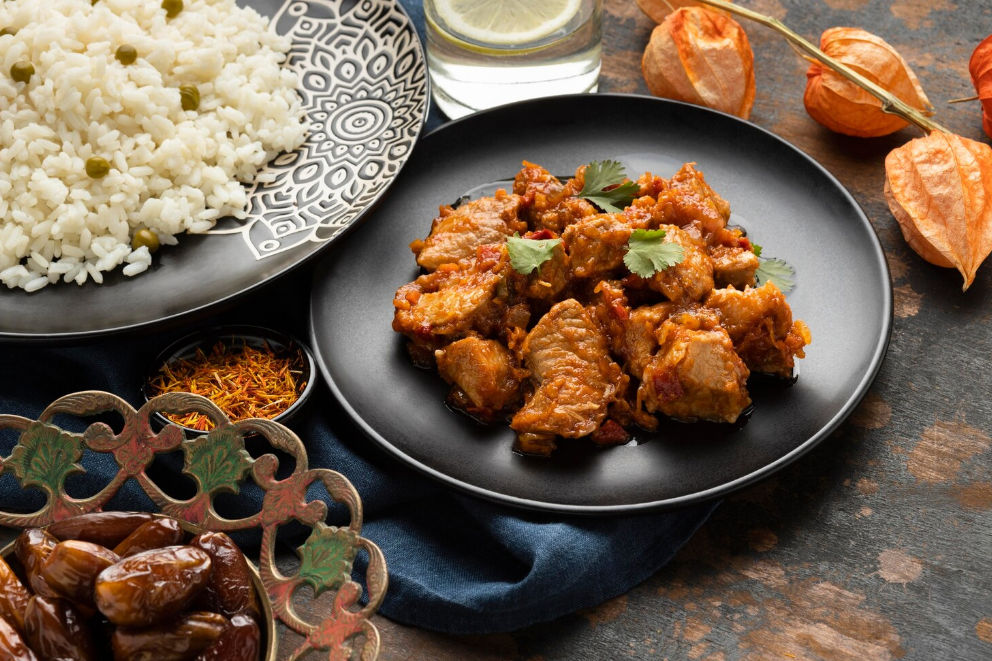
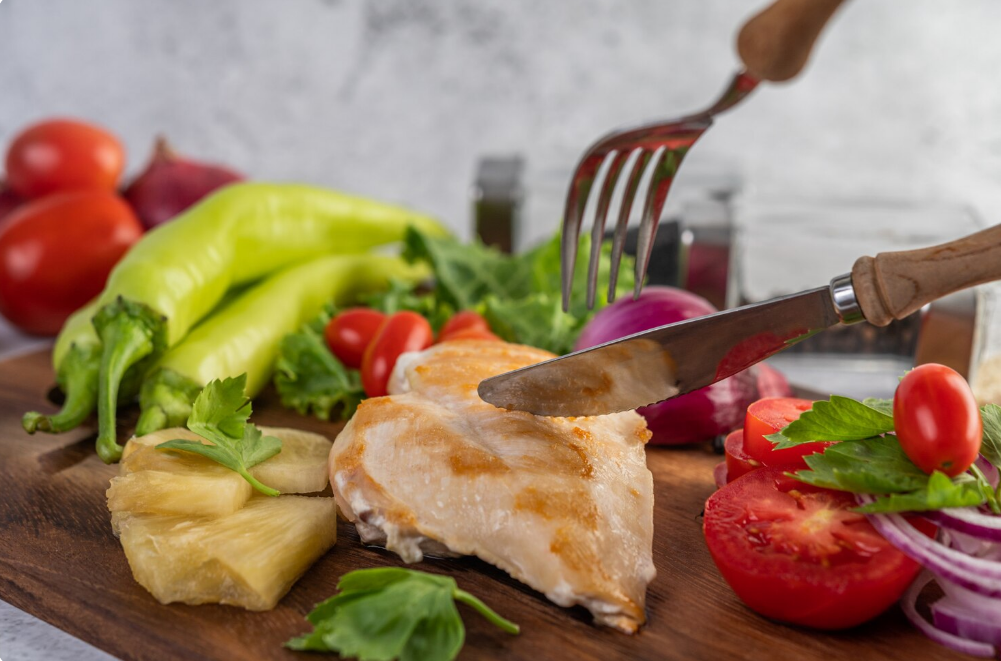
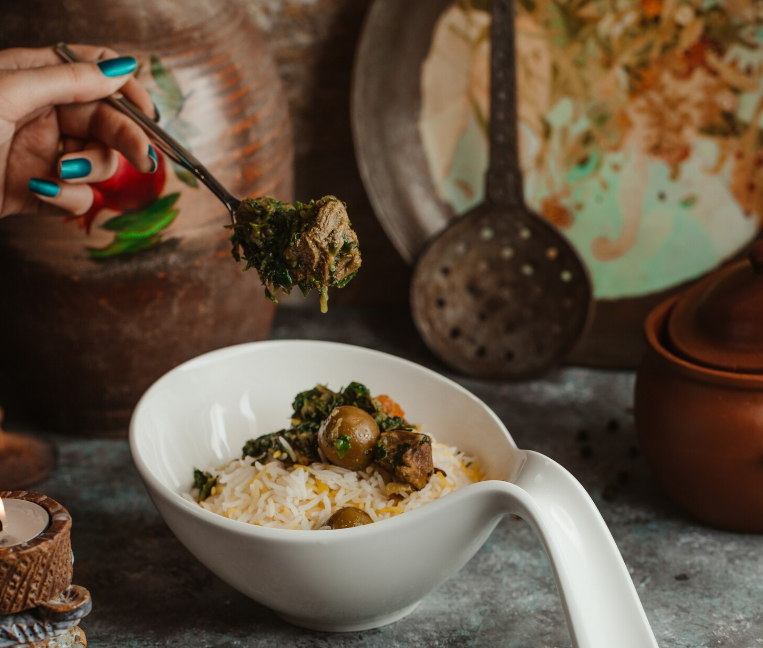
The perception of Moroccan cuisine often revolves around the slow, simmering pot of a traditional tagine, where tough cuts of meat break down over hours into tender, aromatic perfection. While this method yields incredible results, it creates a barrier for weeknight cooking when time is the most scarce ingredient. However, the essence of Moroccan flavor does not strictly depend on long cooking times. By shifting the focus from slow braising to high-heat searing, thin slicing, and the strategic use of potent spice blends, it is entirely possible to create authentic-tasting Moroccan chicken dishes in fifteen minutes or less. This approach…

Read More

The modern kitchen often feels like a battleground between the desire for nutritious, home-cooked food and the crushing reality of limited time and energy. For beginners stepping into the culinary world, the prospect of managing multiple burners, timing various components, and facing a mountain of dirty dishes can be paralyzing. This barrier to entry is precisely why one-pot meals have evolved from a niche camping hack into a cornerstone of contemporary home cooking. These dishes represent more than just a shortcut; they are a strategic approach to meal preparation that maximizes flavor development while minimizing cleanup. By consolidating the cooking…

Read More

In an era defined by complex supply chains, endless grocery aisles, and culinary shows featuring obscure ingredients sourced from remote corners of the globe, there is a profound and growing movement toward simplicity. The concept of creating delicious, nutritious meals using only a handful of components is not merely a trend born of necessity; it is a return to the foundational principles of cooking. When a recipe relies on fewer than five or six ingredients, every single element must perform. There is nowhere for poor quality or lack of technique to hide. This constraint forces a deeper understanding of flavor…

Read More

The concept of weight loss often conjures images of bland, restrictive diets devoid of flavor and cultural context. However, the culinary landscape of Morocco offers a compelling counter-narrative where abundance, spice, and rich textures coexist with remarkable metabolic health. For centuries, the traditional Moroccan diet has served as a blueprint for longevity and vitality, rooted in the principles of what nutritionists now classify as the Mediterranean diet. This dietary pattern emphasizes whole foods, healthy fats, and complex carbohydrates, creating a sustainable framework for weight management without the psychological burden of deprivation. Understanding the mechanics of Moroccan cuisine reveals that weight…

Read More

The midday meal often becomes the casualty of a busy schedule. Between back-to-back meetings, school runs, and the general momentum of the workday, lunch is frequently an afterthought. This neglect often leads to two common pitfalls: grabbing high-calorie, low-nutrient fast food or skipping the meal entirely, only to face an energy crash and overeating later in the day. However, the solution lies not in willpower alone but in strategy. Constructing a satisfying, nutrient-dense lunch that stays under 500 calories is entirely achievable with the right framework. It requires a shift from viewing lunch as a mere pause to seeing it…

Read More

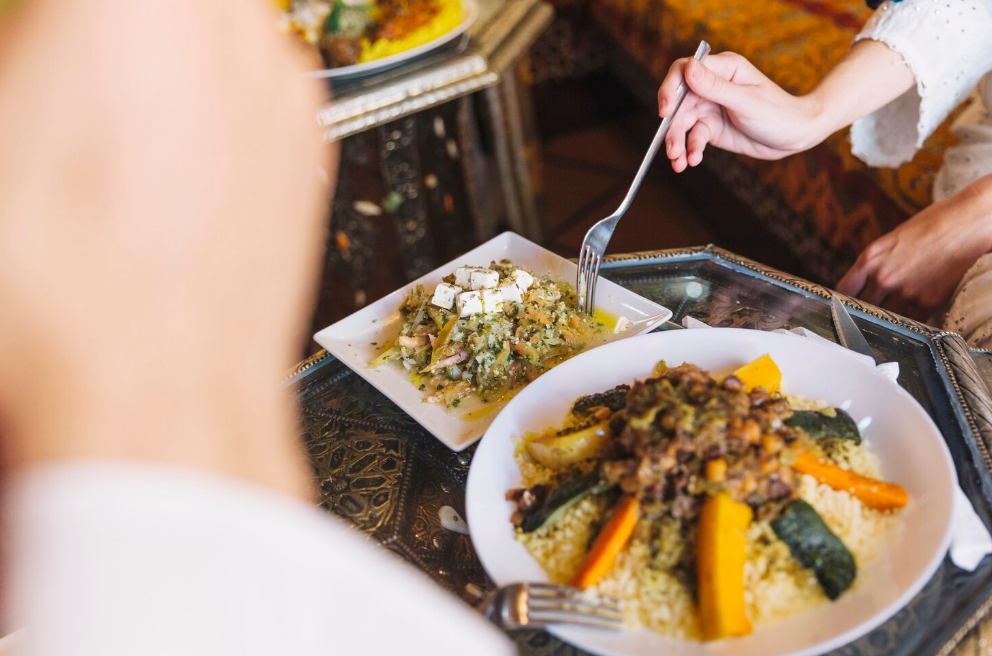
Moroccan cuisine often conjures images of rich, slow-cooked tagines glistening with oil, mounds of buttery couscous, and sweet pastries drenched in honey. While these indulgent dishes are central to celebratory feasts, they represent only one facet of a culinary tradition deeply rooted in balance, seasonality, and health. For centuries, the daily diet across the Maghreb has relied heavily on vegetables, legumes, whole grains, and lean proteins, seasoned with an arsenal of aromatic spices that add depth without adding calories. Understanding the architecture of traditional Moroccan meals reveals a treasure trove of options perfectly suited for weight management and metabolic health,…

Read More

Chicken remains the cornerstone of home cooking for a reason. It is versatile, affordable, and serves as a blank canvas for an endless array of flavors. However, the intersection of “healthy,” “easy,” and “delicious” often feels elusive in a busy household. Many home cooks fall into the trap of relying on processed sauces or frying methods that strip the protein of its nutritional benefits. The reality is that preparing nutrient-dense chicken meals does not require culinary school training or hours of prep time. By understanding the science of heat application, the importance of ingredient quality, and efficient workflow strategies, anyone…

Read More

The global shift toward clean eating has often been misconstrued as a restrictive regimen devoid of flavor, relying heavily on bland salads and unseasoned proteins. However, some of the world’s most vibrant and health-promoting culinary traditions naturally align with the principles of whole-food nutrition long before the term “clean eating” entered the modern lexicon. Moroccan cuisine stands as a premier example of this synergy, offering a rich tapestry of flavors derived from fresh produce, lean proteins, complex carbohydrates, and an aromatic array of spices known for their medicinal properties. By focusing on unprocessed ingredients and traditional preparation methods, Moroccan food…

Read More

The transition from work mode to home life often hits a wall at 6:00 PM. This is the “hungry hour,” a time when energy levels dip, patience wears thin, and the temptation to order high-calorie takeout becomes overwhelming. For millions of households, the challenge isn’t a lack of desire to eat well; it is a logistical bottleneck. The gap between wanting a nutritious, home-cooked meal and having the time to prepare one feels insurmountable. However, bridging this gap does not require culinary genius or hours of prep time. It requires a strategic shift in how ingredients are selected, how kitchens…

Read More

Moroccan cuisine often conjures images of slow-simmering tagines, the aromatic drift of cumin and saffron filling a kitchen for hours, and the communal ritual of breaking bread at sunset. While this traditional approach yields incredible depth of flavor, it presents a logistical hurdle for the modern household. The misconception that authentic Moroccan food requires an entire afternoon of preparation prevents many home cooks from exploring these vibrant flavors on busy weeknights. However, the reality of North African cooking is far more adaptable. By leveraging specific spice blends, understanding the chemistry of rapid-cooking proteins, and utilizing modern kitchen tools, one can…

Read More