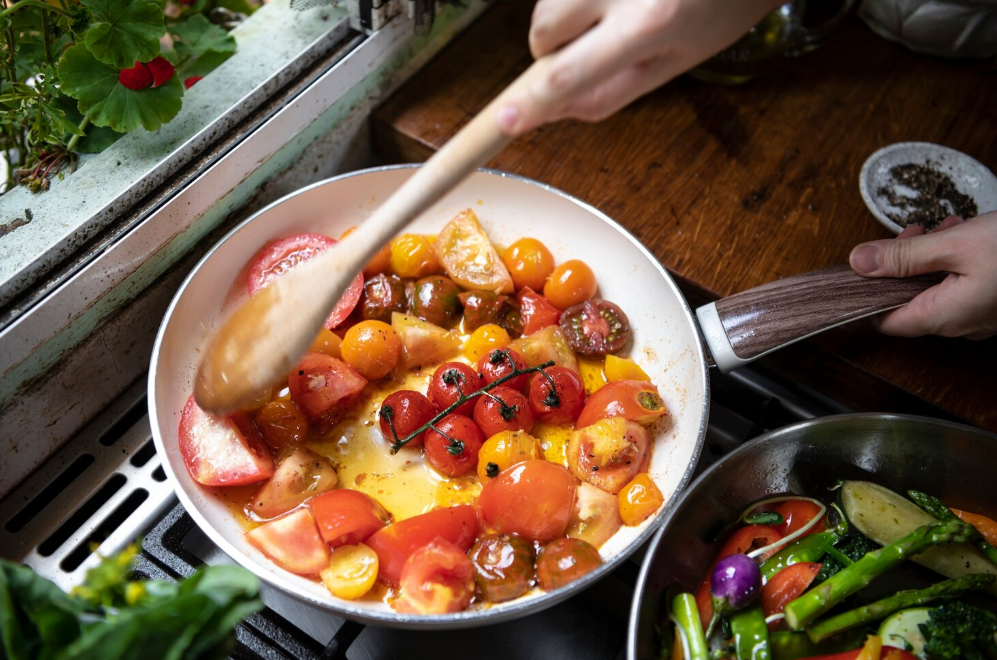


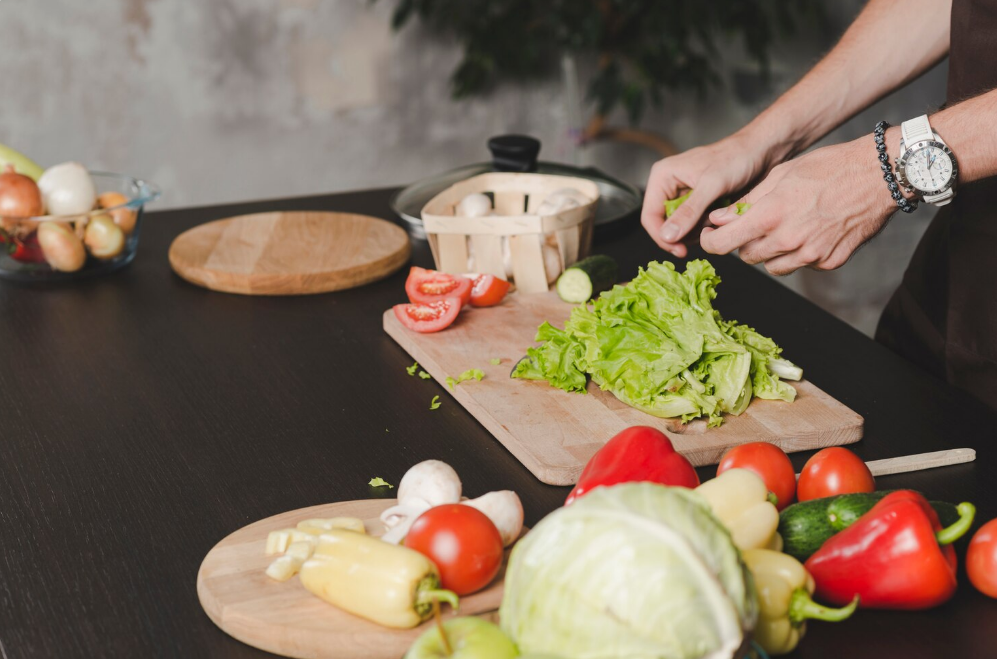
In an era defined by complex supply chains, endless grocery aisles, and culinary shows featuring obscure ingredients sourced from remote corners of the globe, there is a profound and growing movement toward simplicity. The concept of creating delicious, nutritious meals using only a handful of components is not merely a trend born of necessity; it is a return to the foundational principles of cooking. When a recipe relies on fewer than five or six ingredients, every single element must perform. There is nowhere for poor quality or lack of technique to hide. This constraint forces a deeper understanding of flavor profiles, ingredient synergy, and the transformative power of heat. Mastering simple homemade recipes is less about following rigid instructions and more about developing an intuitive grasp of how food works, allowing anyone to produce restaurant-quality results in a home kitchen with minimal effort and maximum impact.
The Philosophy of Minimalist Cooking
The approach to cooking with limited ingredients is rooted in the understanding that complexity does not equate to quality. Historically, some of the world’s most revered cuisines, such as traditional Italian and Japanese cooking, have always prioritized the integrity of a few high-quality items over a long list of additives. When a dish contains twenty ingredients, the individual character of each is often lost in the noise. Conversely, a dish built on three or four pillars allows the primary flavors to shine. This philosophy aligns with the principles advocated by culinary institutions like The Culinary Institute of America, which emphasizes that technique and ingredient quality are the true drivers of exceptional food, not the length of the ingredient list.
Reducing the number of ingredients also streamlines the decision-making process in the kitchen. For many, the mental load of planning meals is a significant barrier to cooking at home. By adopting a framework where meals are constructed from a core set of versatile staples, the friction of “what’s for dinner” is significantly reduced. This method encourages cooks to focus on what they have rather than what they lack, fostering creativity within boundaries. It shifts the mindset from consumption-based cooking, which requires a specific trip to the store for a specific recipe, to resource-based cooking, which utilizes existing pantry reserves. This shift is not only economical but also reduces food waste, a critical consideration in modern sustainable living as highlighted by organizations like the Natural Resources Defense Council.
Furthermore, simple recipes offer a unique educational value. They serve as a laboratory for understanding the fundamental reactions of cooking. When making a sauce with just butter, garlic, and parsley, the cook learns exactly how heat affects garlic, how fat carries flavor, and how herbs finish a dish. There are no emulsifiers or thickeners to mask a lack of skill. This transparency builds confidence. Once a cook understands why a simple tomato sauce works, they can begin to deconstruct and reconstruct more complex dishes. The Smithsonian Magazine often explores how historical constraints led to culinary innovations, noting that scarcity frequently drives the most enduring and beloved recipes in human history.
The Pantry Foundation: Selecting High-Impact Ingredients
Success in minimalist cooking hinges entirely on the quality and versatility of the ingredients selected. When a recipe calls for only four items, each one must be a powerhouse of flavor. The first category to consider is fats. High-quality olive oil, butter, or rendered animal fats are not just cooking mediums; they are flavor carriers. A robust extra virgin olive oil can elevate a simple piece of toast or a bowl of beans into a complete meal. The International Olive Council provides extensive data on how the polyphenol content and acidity levels in olive oil directly influence taste and health benefits, underscoring why choosing the right fat is the first step in simple cooking.
Proteins in a low-ingredient framework need to be self-sufficient. Eggs, for instance, are the ultimate versatile protein, capable of being the star of a breakfast, the binder in a meatball, or the thickener in a custard. Similarly, canned legumes like chickpeas or lentils offer a neutral canvas that absorbs surrounding flavors while providing substantial texture and nutrition. The United States Department of Agriculture (USDA) consistently ranks legumes as a top-tier source of plant-based protein and fiber, making them essential for anyone looking to create filling meals without a long shopping list. When selecting proteins, the focus should be on freshness and proper handling, as there are no heavy spices to disguise off-flavors.
Acids and aromatics form the third and fourth pillars of this culinary style. A high-quality vinegar, a fresh lemon, or a jar of capers can cut through richness and brighten a dish instantly. Aromatics like garlic, onions, and shallots provide the savory depth that replaces the need for stock cubes or artificial flavor enhancers. The science behind why onions sweeten when caramelized or why garlic becomes pungent when crushed is well-documented by resources like Serious Eats, which breaks down the chemistry of cooking in accessible terms. Understanding these chemical changes allows a cook to manipulate a few ingredients to create a spectrum of flavors. For example, slow-cooking onions transforms them from sharp to sweet, effectively adding a new “ingredient” through time and heat alone.
Salt, often overlooked, is arguably the most critical ingredient in a short list. It does not just make food salty; it suppresses bitterness and enhances sweetness and aroma. Using finishing salts like flaky sea salt or Maldon can add a textural contrast that elevates a simple dish. The Food and Drug Administration (FDA) provides guidelines on sodium intake, but culinary experts agree that the timing and type of salt application are just as important as the quantity. In a three-ingredient recipe, the difference between table salt added at the beginning and flaky salt added at the end can define the entire eating experience.
Mastery of Technique Over Complexity
When the ingredient list is short, technique becomes the primary variable. The way an ingredient is cut, heated, or combined determines the final outcome. Roasting, for instance, is a technique that concentrates flavors and creates texture without adding anything to the pan. Roasting a whole chicken with nothing but salt and lemon relies entirely on the Maillard reaction and the rendering of fat to create a crispy skin and juicy meat. This process is explained in detail by food scientists at Harvard University in their public science courses, which demonstrate how heat transforms amino acids and sugars to create complex flavor compounds.
Emulsification is another critical skill for the minimalist cook. Creating a stable vinaigrette with just oil, vinegar, and mustard requires understanding the ratio of fat to acid and the mechanical action needed to bind them. Without commercial stabilizers, the cook must rely on agitation and the natural emulsifiers present in ingredients like mustard or egg yolk. This hands-on approach yields a superior texture and flavor compared to bottled alternatives. The American Chemical Society often publishes articles on the chemistry of emulsions, highlighting how simple physical forces can create stable structures in food, proving that physics is just as important as flavor in the kitchen.
Temperature control is perhaps the most unforgiving aspect of simple cooking. In a complex stew with many ingredients, a slight fluctuation in heat might go unnoticed. In a seared scallop or a poached egg, precision is paramount. The margin for error is slim, requiring the cook to be attentive and responsive. Learning to recognize the visual and auditory cues of proper heat—such as the shimmer of oil or the sound of a sear—is a skill developed through practice. Resources like America’s Test Kitchen dedicate entire segments to the nuances of temperature control, offering empirical evidence on how small adjustments can lead to drastically different results.
Knife skills also play a pivotal role. The size and uniformity of a cut affect cooking time and texture. In a salad with only tomatoes, basil, and mozzarella, the way the tomato is sliced impacts the release of juices and the overall mouthfeel. Precision cutting ensures even cooking in sautés and roasts, preventing some pieces from burning while others remain raw. This attention to detail compensates for the lack of diverse ingredients by maximizing the potential of each piece. Culinary schools worldwide emphasize knife skills as the foundation of all cooking, a sentiment echoed by professional chefs across the globe who argue that a sharp knife and a steady hand are the most valuable tools in any kitchen.
Practical Applications: Breakfast, Lunch, and Dinner
Applying these principles to daily meals reveals the vast potential of simplicity. For breakfast, consider the classic combination of eggs, spinach, and feta cheese. By wilting the spinach in the same pan used to crisp the bacon or sauté the garlic, the flavors meld without extra effort. The fat from the cheese and the earthiness of the greens create a balanced meal that requires no syrup or heavy sauces. This approach aligns with nutritional advice from the Mayo Clinic, which advocates for balanced breakfasts that include protein and vegetables to sustain energy levels throughout the morning. The simplicity allows for quick preparation, making it feasible for busy weekdays without resorting to processed options.
Lunch offers an opportunity to utilize leftovers or assemble no-cook meals. A tin of high-quality tuna, mixed with white beans, lemon juice, and olive oil, creates a protein-rich salad that is both satisfying and light. The acidity of the lemon “cooks” the surface of the fish slightly, while the beans provide bulk and fiber. This type of assembly cooking respects the integrity of the ingredients and requires zero active cooking time, yet delivers a gourmet experience. The World Health Organization (WHO) emphasizes the importance of incorporating fish and legumes into regular diets for heart health, and this simple combination hits those markers perfectly. It demonstrates that a healthy lunch does not require elaborate preparation or a multitude of components.
Dinner is where simple recipes often shine the brightest. A whole roasted fish, stuffed with lemon slices and herbs, cooked on a bed of sliced potatoes, is a complete meal made in one pan. The steam from the fish cooks the potatoes while the drippings flavor the entire dish. This method, common in Mediterranean cultures, exemplifies efficiency and flavor. It requires minimal cleanup and allows the natural sweetness of the fish and potatoes to take center stage. The Mediterranean Diet Foundation promotes this style of eating, citing numerous studies that link such dietary patterns to longevity and reduced disease risk. By focusing on the method of cooking rather than the number of ingredients, the dinner becomes an event of flavor and texture rather than a logistical challenge.
Another powerful dinner option is the grain bowl. A base of cooked quinoa or rice, topped with roasted seasonal vegetables and a simple tahini dressing, offers endless variation based on what is available. The key lies in roasting the vegetables until they are caramelized, which adds depth that raw vegetables cannot provide. This flexibility makes it an ideal solution for using up produce before it spoils, adhering to sustainable practices. The Environmental Working Group often discusses the environmental impact of food choices, and grain bowls represent a low-impact, high-nutrient meal strategy that minimizes waste and maximizes health benefits.
Comparative Analysis of Cooking Approaches
To fully appreciate the value of minimalist cooking, it is helpful to compare it against more complex culinary approaches. The following table illustrates the differences in resource allocation, skill requirements, and outcomes between simple few-ingredient recipes and complex multi-component dishes.
| Feature | Simple Few-Ingredient Recipes | Complex Multi-Component Recipes |
|---|---|---|
| Ingredient Count | Typically 3–6 core items | Often 15–25+ items including garnishes |
| Prep Time | Minimal; focuses on basic cuts and washing | Extensive; involves chopping, marinating, and pre-cooking |
| Skill Focus | Technique, temperature control, ingredient quality | Recipe adherence, timing coordination, layering flavors |
| Cost Efficiency | High; relies on pantry staples and seasonal produce | Variable; often requires specialty or out-of-season items |
| Flavor Profile | Distinct, pure, and ingredient-forward | Blended, complex, and often masked by sauces |
| Error Margin | Low; mistakes are immediately apparent | Higher; errors can sometimes be hidden by other elements |
| Cleanup | Minimal; fewer bowls and utensils required | Significant; multiple pots, pans, and prep stations |
| Adaptability | High; easy to swap ingredients based on availability | Low; often requires specific items to work correctly |
| Nutritional Transparency | Clear; easy to identify macro and micronutrients | Obscured; hidden sugars, salts, and fats in sauces |
| Sustainability | High; reduces food waste and packaging | Lower; higher likelihood of unused partial ingredients |
This comparison highlights that while complex recipes have their place in special occasions or culinary exploration, simple recipes offer superior efficiency, clarity, and sustainability for daily life. The table underscores that the reduction in ingredients does not result in a reduction of value; rather, it shifts the value proposition toward quality and ease.
Troubleshooting Common Challenges
Even with the best intentions, cooking with few ingredients presents specific challenges. The most common issue is the perception of blandness. When a dish lacks the layered complexity of a long ingredient list, it can feel one-dimensional if not executed correctly. The solution almost always lies in seasoning and texture. Ensuring that salt is applied at the correct stages of cooking—not just at the end—is crucial. Additionally, introducing contrasting textures, such as a crunchy topping on a soft dish, can simulate complexity. Toasted nuts, seeds, or breadcrumbs can provide this necessary contrast without adding a long list of ingredients.
Another challenge is the fear of monotony. Cooking the same few ingredients repeatedly can feel restrictive. However, varying the cooking method can completely change the character of an ingredient. A carrot eaten raw is crisp and sweet; roasted, it is tender and caramelized; puréed, it is smooth and earthy. By rotating techniques rather than ingredients, variety is maintained. The Bon Appétit test kitchen frequently demonstrates how a single vegetable can be transformed through different cooking methods, proving that versatility comes from technique, not inventory.
Quality inconsistency is also a risk. In a complex dish, a mediocre tomato might go unnoticed. In a Caprese salad, it ruins the meal. This necessitates a more discerning approach to shopping. Building relationships with local farmers or learning to select the best produce at the supermarket becomes a necessary skill. Understanding seasonality is key; ingredients taste best when they are in season and do not require long-distance transport. The Local Harvest network connects consumers with local farms, emphasizing the importance of sourcing fresh, seasonal produce to ensure the success of simple recipes.
The Broader Impact on Lifestyle and Well-being
Adopting a lifestyle centered around simple homemade recipes extends beyond the kitchen. It fosters a sense of agency and self-reliance. Knowing that a nutritious and delicious meal can be created from almost nothing alleviates the anxiety of modern food systems. It reduces dependence on processed foods, which are often laden with preservatives, excessive sodium, and hidden sugars. The Centers for Disease Control and Prevention (CDC) links high consumption of processed foods to various chronic diseases, making the shift to whole, simple foods a proactive health measure.
Financially, the impact is significant. Buying fewer, higher-quality ingredients is often cheaper than purchasing a cart full of processed items and specialty goods. It reduces impulse buys and food waste, as the cook is focused on utilizing what is on hand. This economic efficiency makes healthy eating accessible to a broader demographic, breaking down the barrier that nutritious food is inherently expensive.
Socially, simple cooking encourages connection. When the host is not chained to the stove managing a dozen pots, there is more time to engage with guests. The meal becomes a focal point for conversation rather than a performance. The relaxed atmosphere created by a straightforward menu allows for a more genuine dining experience. This aligns with sociological studies on dining and community, which suggest that the simplicity of the setting often enhances the quality of social interaction.
Frequently Asked Questions
Q: Can simple recipes really be gourmet or impressive enough for guests?
A: Absolutely. Many haute cuisine dishes rely on the perfection of a single ingredient. A perfectly seared scallop or a ripe heirloom tomato requires no embellishment. The impressiveness comes from the execution and the quality of the components, not the complexity of the recipe. Chefs often reserve complex preparations for specific technical demonstrations, while everyday fine dining focuses on purity of flavor.
Q: How do I prevent simple meals from becoming boring?
A: Boredom is prevented by varying the cooking techniques and utilizing a well-stocked spice rack. While the main ingredients may remain similar (e.g., chicken, rice, broccoli), roasting the chicken one day, poaching it the next, and grilling it the third creates entirely different flavor profiles. Additionally, changing the acid (lemon vs. vinegar) or the fat (olive oil vs. butter) can shift the cuisine style from Mediterranean to French to Asian-inspired.
Q: Is it difficult to get enough nutrients with fewer ingredients?
A: Not at all. Nutrient density is often higher in simple meals because there are no fillers or empty calories. A meal consisting of salmon, quinoa, and steamed asparagus covers protein, healthy fats, complex carbohydrates, and a wide range of vitamins and minerals. The key is to ensure that the few ingredients chosen are nutrient-dense themselves, focusing on whole foods rather than processed ones.
Q: What if I don’t have high-quality ingredients available in my area?
A: While quality is paramount, technique can bridge the gap. If the produce is not peak season, cooking methods like roasting or braising can enhance natural sugars and mask minor flaws. Canned goods, such as tomatoes and beans, are often processed at peak ripeness and can be superior to out-of-season fresh options. Frozen vegetables are also an excellent alternative, as they are flash-frozen to lock in nutrients.
Q: How do I handle dietary restrictions with limited ingredients?
A: Simple cooking is actually ideal for dietary restrictions because it makes allergens and intolerances easier to manage. With fewer ingredients, it is clearer what is in the food. Gluten-free, dairy-free, or vegan adaptations are straightforward; often, removing an ingredient simplifies the dish further rather than complicating it. For example, a dairy-free meal simply omits the cheese, relying on the natural flavors of the vegetables and grains.
Q: Does cooking with few ingredients take less time?
A: Generally, yes. Prep time is reduced because there are fewer items to wash, chop, and measure. Cooking time can also be shorter, especially with methods like sautéing or roasting that require little supervision. However, some simple recipes, like slow-roasted meats, may take longer in the oven but require very little active labor, freeing the cook to attend to other tasks.
Q: Can I bake desserts with only a few ingredients?
A: Yes, many classic desserts are surprisingly simple. Flourless chocolate cakes, fruit crisps, and panna cotta rely on a handful of ingredients. The success of these desserts depends on the quality of the chocolate, fruit, or cream used. Baking with fewer ingredients removes the need for complex leavening agents or stabilizers, often resulting in a denser, richer, and more satisfying texture.
Q: How do I start transitioning to this style of cooking?
A: Begin by auditing the pantry and identifying the top five versatile ingredients you already own. Challenge yourself to create a meal using only those items plus one fresh component. Gradually, expand the repertoire of techniques learned. Focus on mastering one method, such as roasting, before moving to the next. Over time, the reliance on long recipes will diminish as confidence in handling basic ingredients grows.
Conclusion
The journey toward mastering simple homemade recipes with few ingredients is a path to culinary liberation. It strips away the intimidation of complex instructions and the dependency on specialized grocery items, returning the act of cooking to its essence: the transformation of raw materials into sustenance through heat and care. By focusing on the quality of ingredients, the precision of technique, and the wisdom of tradition, anyone can create meals that are nourishing, delicious, and deeply satisfying. This approach does not limit creativity; rather, it channels it into making the most of what is available, fostering a sustainable and mindful relationship with food.
As the culinary landscape continues to evolve, the timeless appeal of simplicity remains constant. It offers a refuge from the chaos of modern life, a way to save money, and a method to improve health without sacrificing flavor. The ability to look into a sparse refrigerator and see a meal rather than a problem is a skill that pays dividends every single day. Whether preparing a quick breakfast, a packed lunch, or a family dinner, the principles of minimalist cooking provide a reliable framework for success. Embracing this philosophy invites a deeper appreciation for the food on the plate and the hands that prepare it, proving that sometimes, less is not just more—it is everything.