

The global shift toward clean eating has often been misconstrued as a restrictive regimen devoid of flavor, relying heavily on bland salads and unseasoned proteins. However, some of the world’s most vibrant and health-promoting culinary traditions naturally align with the principles of whole-food nutrition long before the term “clean eating” entered the modern lexicon. Moroccan cuisine stands as a premier example of this synergy, offering a rich tapestry of flavors derived from fresh produce, lean proteins, complex carbohydrates, and an aromatic array of spices known for their medicinal properties. By focusing on unprocessed ingredients and traditional preparation methods, Moroccan food provides a sustainable and delicious pathway to optimal health without sacrificing the sensory joy of dining.
The Foundation of Whole Foods in North African Cooking
At the heart of Moroccan gastronomy lies a deep respect for the integrity of ingredients. The traditional diet is not built around processed shortcuts or artificial additives but rather on the seasonal abundance of the land. Markets across Morocco, known as souks, are filled with piles of fresh vegetables, fruits, legumes, and grains that form the backbone of daily meals. This reliance on whole foods naturally eliminates the hidden sugars, unhealthy fats, and sodium often found in ultra-processed Western diets. The World Health Organization consistently emphasizes the importance of diets rich in fruits, vegetables, and whole grains for the prevention of chronic diseases, a standard that the traditional Moroccan plate meets with ease.
The concept of clean eating within this context does not mean stripping away flavor; instead, it involves amplifying the natural taste of ingredients through skillful combination. A typical meal might feature a slow-cooked stew where the sweetness of carrots and onions is caramelized naturally, eliminating the need for added sugars. The use of olive oil, a staple in the region, provides a source of healthy monounsaturated fats that support heart health. According to research highlighted by the Harvard T.H. Chan School of Public Health, the Mediterranean dietary pattern, which shares significant overlap with Moroccan eating habits, is linked to reduced risks of cardiovascular disease and improved longevity. This alignment with established nutritional science underscores the inherent health value of the cuisine.
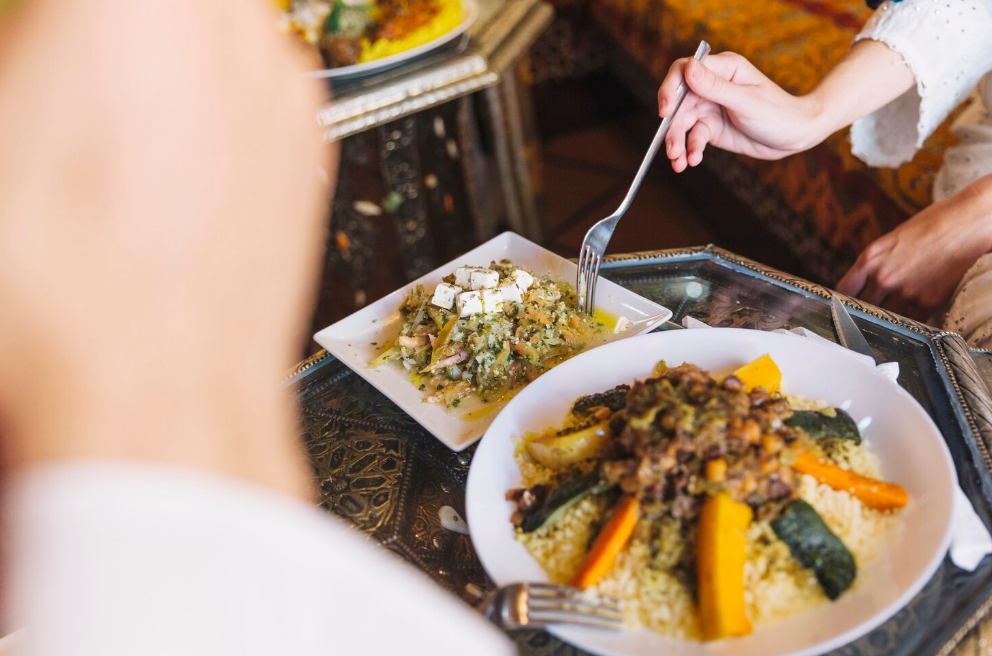
Grains play a pivotal role, yet they are often consumed in their more wholesome forms. While refined white flour exists, traditional preparations frequently utilize whole wheat semolina for couscous or hearty barley and oats in various porridges and breads. These complex carbohydrates provide sustained energy release and are rich in fiber, which is essential for digestive health and blood sugar regulation. The Whole Grains Council notes that consuming whole grains is associated with a lower risk of type 2 diabetes and certain cancers. In Moroccan cooking, the grain is rarely the sole focus but acts as a vehicle for vegetables and legumes, ensuring a balanced macronutrient profile in every bite.
The Medicinal Magic of Moroccan Spices
One of the most compelling aspects of adopting a clean eating approach through Moroccan food is the extensive use of spices. Far from being mere flavor enhancers, these botanicals are powerhouses of antioxidants and anti-inflammatory compounds. Turmeric, cumin, ginger, cinnamon, and saffron are ubiquitous in Moroccan kitchens, each contributing unique health benefits that have been recognized for centuries. Modern science is now validating these traditional uses, revealing how regular consumption of these spices can support metabolic health and reduce systemic inflammation.
Turmeric, a key component of the famous ras el hanout spice blend, contains curcumin, a compound with potent anti-inflammatory and antioxidant effects. Studies cited by the National Institutes of Health suggest that curcumin may help manage conditions related to inflammation, such as arthritis and metabolic syndrome. In Moroccan tagines, turmeric is often paired with black pepper, which significantly enhances the bioavailability of curcumin, demonstrating an intuitive understanding of food synergy in traditional cooking methods. This natural pairing ensures that the body can effectively utilize the beneficial compounds present in the food.
Cinnamon and ginger are other staples that offer remarkable health advantages. Cinnamon is well-documented for its ability to improve insulin sensitivity and lower blood sugar levels, making it an excellent addition for those managing glucose levels. Ginger aids in digestion and possesses strong anti-nausea properties. When these spices are incorporated into daily meals, such as in a warm lentil soup or a spiced chicken dish, they transform the meal into a functional food that supports overall wellness. The Mayo Clinic acknowledges the potential health benefits of incorporating such spices into a balanced diet, noting their role in supporting immune function and digestive health.
Saffron, often referred to as “red gold,” is another critical element in Moroccan cuisine, particularly in special occasion dishes like pastilla or specific rice preparations. Beyond its distinctive aroma and color, saffron has been studied for its potential mood-enhancing and neuroprotective properties. While used sparingly due to its cost, its inclusion highlights the cuisine’s focus on quality over quantity. The integration of these spices allows for robust flavor profiles without the need for excessive salt or sugar, adhering strictly to clean eating principles while maximizing nutritional density.
Lean Proteins and Legume-Based Nutrition
Protein sources in traditional Moroccan cooking are diverse, ranging from lean meats to an extensive variety of legumes. The approach to meat consumption is generally one of moderation, where meat is often used to flavor a dish rather than serving as the massive centerpiece found in some Western diets. Lamb, chicken, and fish are common, but they are typically prepared using healthy cooking methods such as braising, grilling, or slow-cooking in earthenware pots. This method preserves nutrients and avoids the formation of harmful compounds associated with high-heat frying or charring. The American Heart Association recommends choosing lean cuts of meat and preparing them using methods that do not add unnecessary fats, a practice inherent to traditional Moroccan recipes.
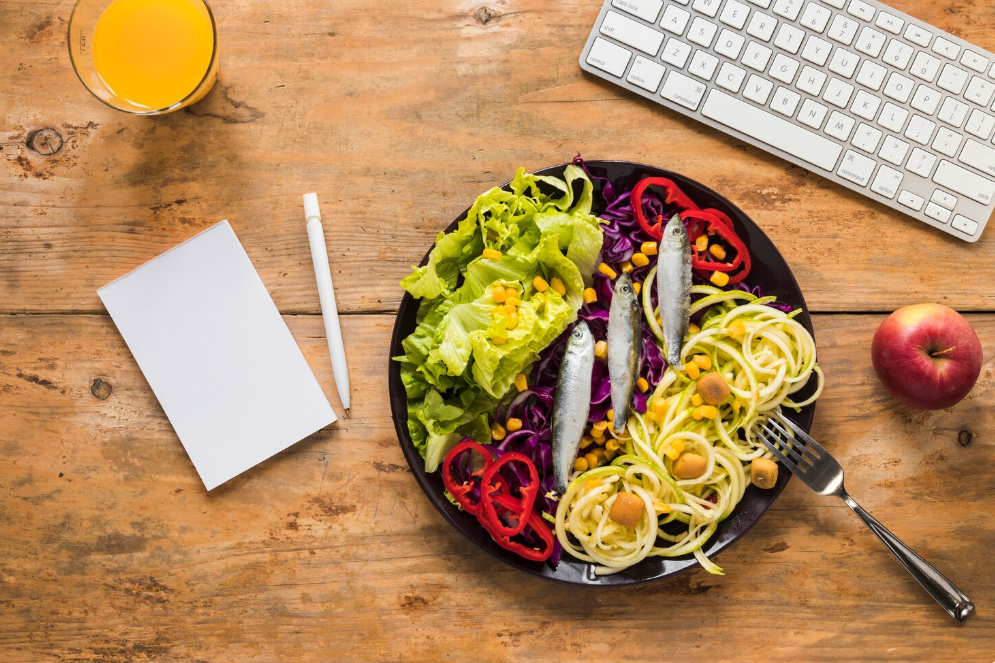
Fish holds a place of honor, particularly in coastal regions, providing an excellent source of omega-3 fatty acids essential for brain health and reducing inflammation. Sardines, mackerel, and sea bass are frequently grilled with simple herbs and lemon, creating a meal that is both light and nutrient-dense. The consumption of fatty fish is strongly encouraged by the Dietary Guidelines for Americans as part of a healthy eating pattern. In a clean eating framework, these seafood options offer high-quality protein without the saturated fats found in red meat, making them ideal for regular consumption.
Legumes are perhaps the unsung heroes of the Moroccan clean eating landscape. Chickpeas, lentils, fava beans, and white beans are central to countless dishes, including the iconic harira soup and various stews. These plant-based proteins are incredibly nutrient-dense, offering fiber, iron, magnesium, and folate. They serve as a sustainable and affordable alternative to animal protein, aligning with global recommendations to increase plant-based food intake. Research from the Food and Agriculture Organization highlights the role of pulses in food security and nutrition, emphasizing their ability to provide essential nutrients while maintaining a low environmental footprint. Incorporating a variety of legumes ensures a complete amino acid profile when paired with grains, making these meals nutritionally complete.
Vegetable-Centric Tagines and Seasonal Harmony
The tagine, named after the conical earthenware pot in which it is cooked, is the epitome of vegetable-centric cooking. This method allows vegetables to steam in their own juices along with aromatic spices and a small amount of liquid, resulting in tender, flavorful dishes that retain maximum nutrient content. Seasonal vegetables dictate the menu, ensuring that meals are aligned with nature’s cycles and offer the highest nutritional value at the time of harvest. Zucchini, eggplant, peppers, tomatoes, carrots, and pumpkin are rotated throughout the year, providing a wide spectrum of vitamins and phytonutrients.
Eating seasonally is a core tenet of clean eating, as produce harvested at peak ripeness contains higher levels of antioxidants and vitamins compared to out-of-season counterparts that may be transported long distances. The Centers for Disease Control and Prevention advocates for increased fruit and vegetable consumption to reduce the risk of many chronic diseases. Moroccan cuisine naturally facilitates this by building meals around whatever is freshest in the market. A spring tagine might feature artichokes and fava beans, while autumn brings squash and root vegetables to the forefront. This variability not only keeps the diet interesting but also ensures a diverse intake of micronutrients.
The cooking vessel itself contributes to the health profile of the meal. Traditional clay tagines distribute heat evenly and allow for slow cooking at lower temperatures, which helps preserve heat-sensitive vitamins that might be destroyed by rapid boiling or frying. Furthermore, the glazed interior of high-quality tagines requires little to no added fat to prevent sticking, promoting a lower-calorie final dish. This technique exemplifies how traditional tools and methods can support modern health goals without the need for specialized equipment or complicated techniques.
Healthy Fats and the Olive Oil Standard
No discussion of clean eating in the Moroccan context is complete without addressing the critical role of olive oil. As the primary source of added fat in the kitchen, olive oil replaces butter and processed vegetable oils, providing a foundation of heart-healthy monounsaturated fats. Morocco is one of the world’s leading producers of olive oil, and the local varieties are often cold-pressed and consumed fresh, retaining their polyphenol content. These polyphenols act as powerful antioxidants, protecting cells from damage and supporting cardiovascular health.
The International Olive Council extensively documents the health benefits of extra virgin olive oil, linking its consumption to reduced inflammation and improved cholesterol profiles. In Moroccan cooking, olive oil is used for sautéing aromatics, dressing salads, and finishing dishes. Its distinct flavor adds depth to meals, reducing the need for salt. The practice of using high-quality, minimally processed fats is a cornerstone of the clean eating philosophy, distinguishing it from diets that rely on refined seed oils or trans fats.
In addition to olive oil, nuts and seeds such as almonds, walnuts, and sesame seeds are frequently incorporated into dishes. These provide essential fatty acids, protein, and fiber. Almonds, for instance, are a key ingredient in many savory and sweet dishes, offering vitamin E and magnesium. The inclusion of these whole food fats supports satiety and stable energy levels, preventing the blood sugar spikes associated with low-fat, high-carb processed diets. This balanced approach to fat intake ensures that the body receives the lipids necessary for hormone production and nutrient absorption.
Comparative Analysis of Clean Eating Approaches
To fully appreciate the efficacy of Moroccan clean eating, it is helpful to compare it with other popular dietary frameworks. While many diets require strict elimination of food groups or meticulous calorie counting, the Moroccan approach focuses on addition and quality. The table below illustrates how Moroccan clean eating stacks up against other common dietary patterns regarding flexibility, nutrient density, and sustainability.
| Feature | Moroccan Clean Eating | Keto Diet | Vegan Diet (Processed) | Standard Western Diet |
|---|---|---|---|---|
| Primary Fuel Source | Complex Carbs & Healthy Fats | Ketones (Fat) | Variable (often refined carbs) | Refined Carbs & Sugars |
| Processing Level | Minimal / Whole Foods | Moderate (some processed meats/cheeses) | High (mock meats, isolates) | High (Ultra-processed) |
| Flavor Profile | Spice-Driven, Aromatic | Fat-Driven, Savory | Variable, often salty/sweet | Sugar/Salt-Driven |
| Satiety Mechanism | Fiber + Protein + Fat | High Fat + Protein | Fiber (variable) | Sugar Crashes |
| Cultural Flexibility | High (Social/Family oriented) | Low (Restrictive) | Moderate | High (but unhealthy) |
| Nutrient Density | Very High (Vitamins/Minerals) | Moderate (Micronutrient gaps possible) | Variable (Depends on choices) | Low |
| Long-term Sustainability | High (Lifestyle based) | Low (Often temporary) | Moderate | High (Health risks) |
This comparison highlights that Moroccan clean eating avoids the extremes of macronutrient restriction seen in keto or the potential pitfalls of processed vegan alternatives. Instead, it offers a balanced, culturally rich framework that prioritizes nutrient density and enjoyment. The emphasis on spices and fresh produce ensures that the diet remains exciting and socially viable, which is crucial for long-term adherence. Unlike the Standard Western Diet, which is linked to rising obesity rates, the Moroccan model promotes metabolic health through natural food combinations.
Practical Strategies for Implementation
Adopting a clean eating Moroccan lifestyle does not require traveling to North Africa or mastering complex culinary techniques overnight. It begins with small, intentional shifts in grocery shopping and meal preparation. Prioritizing the purchase of whole spices rather than pre-mixed blends containing anti-caking agents or added salt is a simple first step. Building a pantry stocked with chickpeas, lentils, whole wheat couscous, and high-quality olive oil creates a foundation for quick, nutritious meals. The Academy of Nutrition and Dietetics suggests that having healthy staples on hand significantly increases the likelihood of preparing home-cooked meals.
Meal planning can revolve around the tagine concept, even without the traditional pot. A Dutch oven or slow cooker can replicate the slow-braising effect needed to tenderize vegetables and infuse flavors. A weekly routine might include a legume-based soup for lunches, a fish dish with roasted vegetables for dinner, and a chicken tagine with apricots and almonds for a weekend gathering. The key is to let the vegetables shine, using meat as a complement rather than the main event. This shift in proportion automatically reduces calorie density while increasing vitamin and mineral intake.
Hydration is another integral component, traditionally supported by the consumption of mint tea. This caffeine-free herbal infusion is rich in antioxidants and aids digestion, serving as a perfect alternative to sugary beverages. Replacing sodas and juices with water infused with fresh mint or lemon aligns perfectly with clean eating goals. The ritual of tea drinking also encourages mindfulness and slowing down during meals, which can improve digestion and satisfaction. Integrating these behavioral changes alongside dietary adjustments creates a holistic approach to health.
Frequently Asked Questions
Is Moroccan food suitable for people with gluten sensitivities?
While traditional couscous is made from wheat semolina and contains gluten, Moroccan cuisine offers numerous naturally gluten-free options. Dishes based on rice, corn, or legumes, such as harira soup (when made without vermicelli) or various vegetable tagines served with gluten-free bread or eaten alone, are excellent alternatives. Additionally, gluten-free couscous made from corn or rice is increasingly available and can be used in traditional recipes without compromising flavor.
How can I reduce the sodium content in Moroccan recipes?
Traditional recipes can sometimes be high in sodium due to the use of preserved lemons and olives. To create a cleaner version, one can rinse preserved lemons and olives thoroughly before use to remove excess salt. Alternatively, fresh lemon juice and zest can mimic the bright flavor of preserved lemons with significantly less sodium. Relying heavily on the abundant use of fresh herbs and spices like cumin, paprika, and ginger allows for robust flavor without the need for added salt.
Are Moroccan sweets compatible with a clean eating lifestyle?
Traditional Moroccan pastries often contain honey, nuts, and sesame seeds, which are nutrient-dense, but they can also be high in refined sugar and butter. For a clean eating approach, portion control is key. Opting for fruit-based desserts like stewed apples with cinnamon or oranges with flower water provides the sweet finish without the refined sugars. When enjoying traditional sweets, choosing those sweetened primarily with honey or dates and rich in nuts offers a better nutritional profile than purely sugary confections.
What is the best way to start cooking Moroccan food for beginners?
Beginners should start with simple one-pot meals like a chickpea and spinach tagine or a basic lentil soup. These dishes require minimal prep time and utilize common ingredients. Investing in a good quality spice blend like ras el hanout or chermoula can instantly authenticate the flavor profile without needing to toast and grind individual spices immediately. As confidence grows, one can experiment with making these spice blends from scratch to control quality and freshness.
Can children enjoy clean eating Moroccan meals?
Absolutely. The flavors in Moroccan cuisine are generally mild and comforting, especially when the heat level of spices like chili is adjusted or omitted. Dishes like sweet potato tagines with raisins or chicken with carrots and potatoes are often favorites among children. Involving children in the preparation, such as mixing spices or arranging vegetables, can also increase their willingness to try new foods, fostering healthy eating habits early on.
Conclusion
The intersection of clean eating and Moroccan cuisine represents a harmonious blend of ancient wisdom and modern nutritional science. By embracing the whole foods, aromatic spices, and balanced macronutrient profiles inherent to this culinary tradition, individuals can achieve a state of health that is both sustainable and enjoyable. The emphasis on fresh produce, lean proteins, and healthy fats aligns seamlessly with global health recommendations, offering a practical solution to the challenges of modern dietary habits. This approach proves that eating for health does not require sacrificing flavor or cultural richness; rather, it invites a deeper appreciation for the natural gifts of the earth.
Moving forward, the integration of these principles into daily life offers a path toward improved vitality and well-being. Whether through the slow simmer of a vegetable tagine, the refreshing sip of mint tea, or the mindful selection of whole spices, each choice contributes to a broader narrative of health. The evidence supports a return to traditional, unprocessed foods, and Moroccan cuisine provides a delicious and diverse roadmap for this journey. By prioritizing quality ingredients and respecting the balance of nature, the goal of optimal health becomes not just a destination, but a flavorful and fulfilling way of living.