

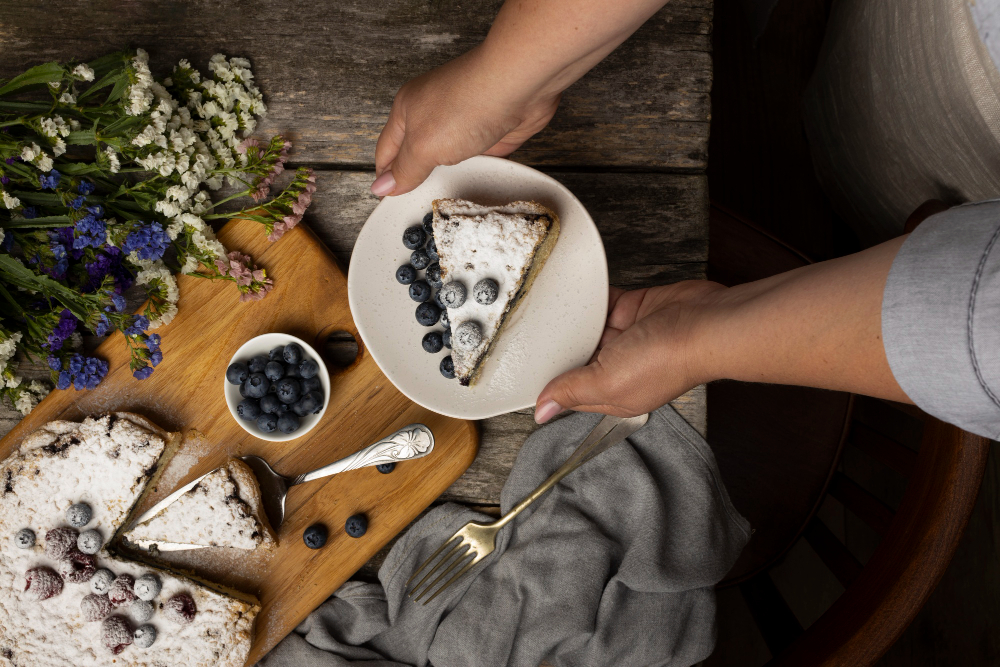
In the modern culinary landscape, efficiency often clashes with the desire for indulgence. Home cooks and professional bakers alike frequently find themselves torn between the need for quick solutions and the expectation of high-quality, restaurant-grade results. This tension has given rise to a specific niche in dessert preparation: the three-ingredient recipe. Far from being a novelty or a compromise, these minimalist formulations represent a sophisticated understanding of food chemistry. By stripping away unnecessary additives, preservatives, and complex techniques, these recipes highlight the fundamental interactions between fats, sugars, proteins, and stabilizers. The result is a category of desserts that are not only rapid to prepare but also offer a clarity of flavor that complex recipes often obscure.
The appeal of minimalism in baking is rooted in both practicality and science. When a recipe relies on only three components, each ingredient must perform multiple functions. There is no room for error, and there is no place for low-quality inputs to hide behind artificial flavorings. This approach demands a higher level of scrutiny regarding ingredient selection, forcing the cook to understand the specific properties of what goes into the bowl. Whether it is the fat content of chocolate, the ripeness of a banana, or the temperature of heavy cream, every variable becomes critical. This rigorous standard aligns with the principles found in food science literature, where the focus remains on how molecular structures change under heat, agitation, and time.
The Science Behind Minimalist Baking
Understanding why three-ingredient desserts work requires a brief look into the mechanics of baking. Traditional recipes often include a long list of ingredients to manage texture, leavening, moisture retention, and flavor enhancement separately. In a three-ingredient framework, single items must often fulfill two or three of these roles simultaneously. For example, in a classic flourless chocolate cake made with chocolate, butter, and eggs, the eggs provide structure through protein coagulation, act as an emulsifier to bind the fat and water, and contribute to leavening when whipped. This multi-functionality is not accidental; it is the result of centuries of culinary evolution where cooks learned to maximize the potential of available resources.
The success of these recipes often hinges on the concept of emulsification. An emulsion is a mixture of two liquids that usually do not combine, such as oil and water. In desserts, achieving a stable emulsion without commercial stabilizers requires precise technique. When making a simple ganache with chocolate and heavy cream, the milk solids and water in the cream interact with the cocoa butter in the chocolate. The third ingredient, often a small amount of butter or a flavoring agent, can tip the balance toward a glossy, smooth texture rather than a grainy separation. Resources from culinary institutes emphasize that temperature control is the primary variable in managing these emulsions, a fact that becomes glaringly obvious when there are no extra ingredients to rescue a broken sauce.
Another critical scientific principle at play is the Maillard reaction and caramelization. In recipes involving fruit and sugar, such as a baked apple dessert, the reduction of ingredients means the natural sugars in the fruit must caramelize perfectly to provide depth. Without the buffer of spices or thickeners, the cook must rely on the oven’s heat distribution to drive these chemical reactions evenly. This necessitates an understanding of how different ovens operate and how sugar behaves at various temperatures, knowledge that is extensively documented by organizations like the American Chemical Society. The lack of fillers means the margin for error is smaller, but the payoff is a more intense, pure flavor profile that complex batters often dilute.
Essential Pantry Staples for Rapid Desserts
Building a repertoire of three-ingredient desserts starts with curating a pantry of high-performance staples. Not all ingredients are created equal, and in minimalist cooking, the quality of the input directly dictates the quality of the output. The first category of essentials involves high-fat dairy and alternatives. Heavy whipping cream with a fat content of at least 36% is indispensable. Its high fat ratio allows it to whip into stable peaks without the need for gelatin or stabilizers, forming the base of mousses, frostings, and no-bake cheesecakes. Similarly, full-fat cream cheese provides the necessary tang and structure for dense, rich desserts that set firmly when chilled. Guidelines from the USDA regarding dairy standards highlight how fat content influences the physical properties of these products, a detail that is crucial when no other thickeners are present.
Chocolate is the second pillar of this culinary approach. However, not just any chocolate will suffice. Recipes relying on chocolate as a primary structural element require high-quality couverture or baking bars with a known cocoa butter percentage. Chocolate chips often contain stabilizers to help them hold their shape during baking, which can interfere with the smooth melting required for ganaches or truffles. Using pure chocolate bars ensures that the cocoa butter interacts correctly with other fats in the recipe. Expert chocolatiers, as noted by the International Chocolate Awards, stress that the origin and processing of the cocoa beans affect viscosity and setting times, factors that are magnified when only two other ingredients are involved.
The third category encompasses natural sweeteners and binders. Medjool dates, ripe bananas, and honey serve dual purposes as both sweeteners and structural agents. A ripe banana, for instance, acts as a binder and moisture provider in mug cakes or oat cookies, replacing the need for eggs or oil in certain vegan formulations. Dates, when blended, create a sticky, caramel-like paste that binds nuts into energy balls or bars without the need for added syrups or flours. The FDA’s guidance on food labeling helps consumers identify pure forms of these ingredients, ensuring that no hidden additives interfere with the recipe’s chemistry. Selecting ingredients based on their functional properties rather than just their flavor is the key to mastering this style of dessert making.
No-Bake Wonders: Texture Through Temperature
No-bake desserts represent the largest segment of the three-ingredient category, leveraging refrigeration and freezing to achieve texture rather than oven heat. These recipes are particularly valuable in warm climates or during seasons when heating up the kitchen is undesirable. The most iconic example is the chocolate mousse, which traditionally relies on the aeration of eggs or cream. A simplified version using dark chocolate, heavy cream, and a touch of vanilla extract demonstrates the power of temperature manipulation. By melting the chocolate and folding it into whipped cream, the mixture traps air bubbles that expand as the dessert chills, creating a light, airy texture. The success of this method is detailed in resources from Serious Eats, which break down the physics of foam stability in dairy-based desserts.
Another popular no-bake option is the truffle. Combining chocolate, condensed milk, and a coating of cocoa powder creates a rich, fudge-like center that sets firmly in the refrigerator. The condensed milk acts as both a sweetener and a thickener due to its reduced water content and high sugar concentration, which lowers the freezing point and prevents the truffle from becoming rock-hard. This balance is critical; too much moisture would result in a runny center, while too little would make it crumbly. Culinary experts often refer to the Institute of Food Technologists for insights into how sugar concentrations affect the texture of confections, validating the effectiveness of condensed milk as a standalone structuring agent.
Cheesecake bites offer another avenue for exploration. By mixing cream cheese, powdered sugar, and a flavoring agent like lemon zest or melted chocolate, one can create a dense, creamy treat that mimics the filling of a traditional cheesecake without the crust or baking process. Rolling these bites in crushed nuts or coconut adds a textural contrast without introducing a fourth ingredient into the core mixture. The key here is the temperature of the cream cheese; it must be soft enough to blend smoothly but cold enough to hold its shape when rolled. This nuance is often discussed in professional pastry courses, such as those offered by Le Cordon Bleu, emphasizing that technique often replaces the need for additional ingredients.
Oven-Free Innovations: Microwave and Air Fryer Applications
While no-bake methods rely on cold, modern appliances like microwaves and air fryers have opened new doors for three-ingredient desserts that require heat but not traditional baking times. The microwave mug cake is a quintessential example of rapid dessert engineering. A combination of self-rising flour, sugar, and milk (or a variation using mashed banana, oats, and chocolate chips) can transform into a fluffy cake in under two minutes. The microwave excites water molecules within the batter, generating steam that leavens the cake rapidly. However, timing is everything; overcooking by even fifteen seconds can turn a moist cake into a rubbery puck. Guides from consumer technology reviews often highlight the variance in wattage between microwave models, a factor that home cooks must adjust for when using these rapid recipes.
Air fryers, essentially compact convection ovens, provide intense, circulating heat that is ideal for small-batch baking. A simple mixture of yogurt, egg, and sweetener can be poured into ramekins and air-fried to create individual custards or flan-like desserts. The rapid air circulation ensures even cooking and can create a slight caramelized top that mimics the effect of a broiler. This method is particularly effective for fruit-based desserts, such as baked peaches or apples, where the goal is to soften the fruit and concentrate its sugars without drying it out. The versatility of the air fryer in dessert applications is increasingly covered by kitchen appliance testing labs, which validate its ability to replicate oven results in a fraction of the time.
It is important to note that cooking with these appliances requires an understanding of heat transfer. Microwaves heat from the inside out (to an extent), while air fryers cook from the outside in via convection. Adjusting recipes to suit these mechanisms is part of the expertise required. For instance, a batter designed for a conventional oven might need more liquid for the microwave to prevent dryness, or less time in an air fryer to prevent burning the exterior before the interior sets. This adaptability is a hallmark of skilled home cooking, as noted in various culinary adaptation studies.
Comparative Analysis of Three-Ingredient Methods
To better understand the strengths and limitations of different three-ingredient approaches, it is helpful to compare them across several key metrics. The following table outlines how no-bake, microwave, and air fryer methods stack up in terms of time, texture, equipment needs, and best-use scenarios.
| Feature | No-Bake (Refrigeration) | Microwave (Rapid Heat) | Air Fryer (Convection) |
|---|---|---|---|
| Preparation Time | 10–15 minutes active | 2–5 minutes total | 10–20 minutes total |
| Setting/Cooking Time | 2–4 hours chilling | Instant (seconds to minutes) | 8–15 minutes cooking |
| Primary Texture Profile | Creamy, dense, smooth | Spongy, moist, cake-like | Crisp exterior, tender interior |
| Equipment Required | Mixer, bowls, fridge | Microwave-safe mug/bowl | Air fryer, ramekins |
| Best Ingredient Types | Chocolate, cream cheese, fruit | Flour, eggs, mashed fruit | Yogurt, whole fruits, nuts |
| Risk Factor | Separation if temp wrong | Rubberiness if overcooked | Burning if airflow blocked |
| Ideal Scenario | Hot weather, meal prep | Immediate craving, single serve | Small batch, textured finish |
| Flavor Concentration | High (no evaporation) | Moderate (rapid cook) | Very High (caramelization) |
This comparison highlights that the choice of method should depend on the desired outcome and the available time. No-bake methods excel in texture control and flavor preservation but require patience. Microwave methods offer unparalleled speed but demand precision to avoid texture issues. Air fryers provide a middle ground, offering the browning and textural complexity of an oven with the speed of a countertop appliance. Understanding these distinctions allows the cook to select the right tool for the specific dessert goal, a decision-making process supported by engineering principles in food processing.
Troubleshooting Common Pitfalls
Even with only three ingredients, things can go wrong. The simplicity of these recipes means that errors are often immediately apparent and rarely self-correcting. One common issue in chocolate-based desserts is “seizing,” where the chocolate turns grainy and hard. This usually happens when water comes into contact with melting chocolate, causing the sugar and cocoa particles to clump. Preventing this requires ensuring that all bowls and utensils are completely dry and that any liquid ingredients are added slowly and at the correct temperature. Detailed explanations of this phenomenon can be found in chemistry of cooking resources.
Another frequent challenge is the failure of whipped creams or mousses to set. This is often due to the temperature of the ingredients. If the cream is too warm, the fat globules cannot stabilize the air bubbles, resulting in a soupy mixture. Conversely, if the bowl is too cold, the fat may solidify prematurely, preventing proper aeration. The solution lies in temperature management: chilling the bowl and beaters beforehand and ensuring the cream is straight from the refrigerator. Professional bakers often cite pastry arts manuals that emphasize thermal equilibrium as a critical step in aerated desserts.
In baked or heated three-ingredient recipes, uneven cooking is a recurring problem. Because these batters often lack the structural network provided by gluten development or multiple eggs, they can collapse or cook unevenly if the heat source is inconsistent. Rotating the dish halfway through cooking or using lower power settings in microwaves can mitigate this. Additionally, allowing the dessert to rest after cooking is vital; residual heat continues to cook the center, firming up the structure. This concept of “carryover cooking” is well-documented in meat and baking science, and it applies equally to small-batch desserts.
Nutritional Considerations and Dietary Adaptations
While three-ingredient desserts are often perceived as indulgent, they can be adapted to fit various nutritional goals. The limited ingredient list makes it easier to track macros and identify allergens. For those monitoring sugar intake, recipes utilizing naturally sweet fruits like dates or bananas eliminate the need for refined sugars. The fiber content in these fruits also slows the absorption of glucose, providing a more sustained energy release compared to traditional sweets. Nutritionists often recommend such whole-food-based desserts as part of a balanced diet, as highlighted by guidelines from the Academy of Nutrition and Dietetics.
For individuals with gluten sensitivities, many three-ingredient recipes are naturally gluten-free. Flourless chocolate cakes, nut-based cookies, and fruit mousses typically do not require wheat flour. However, cross-contamination remains a concern, so verifying that ingredients like oats or chocolate are certified gluten-free is essential. The Celiac Disease Foundation provides resources on identifying safe ingredients, ensuring that minimalist desserts remain safe for those with autoimmune conditions.
Vegan adaptations are also straightforward. Dairy can be replaced with full-fat coconut cream, which whips similarly to heavy cream due to its high saturated fat content. Eggs can be substituted with flax eggs or additional fruit purees in binding applications. The key is to match the functional property of the original ingredient—fat for fat, binder for binder—rather than trying to replicate the exact flavor. Plant-based nutrition experts, such as those contributing to NutritionFacts.org, often discuss the viability of whole-food plant-based desserts that rely on minimal processing, aligning perfectly with the three-ingredient philosophy.
Frequently Asked Questions
Can I substitute ingredients in three-ingredient recipes?
Substitutions are possible but must be done with an understanding of the ingredient’s function. Replacing heavy cream with milk, for example, will prevent a mousse from setting because the fat content is too low to stabilize the air. Similarly, swapping butter for oil in a chocolate truffle recipe will alter the melting point and texture, likely resulting in a product that does not hold its shape. It is generally safer to stick to the specified ingredients until one understands the underlying chemistry. For more on substitution ratios, King Arthur Baking offers extensive guides on ingredient functionality.
How long do these desserts stay fresh?
Because these recipes often lack preservatives, their shelf life is shorter than commercial counterparts. No-bake desserts containing dairy should be consumed within 2 to 3 days and kept refrigerated. Fruit-based items may last slightly longer but are best eaten within 48 hours to prevent oxidation and spoilage. Freezing is an option for many chocolate-based treats, which can last up to a month if wrapped tightly. The Food Safety and Inspection Service provides timelines for storing homemade perishable goods safely.
Are three-ingredient desserts suitable for children?
Yes, these recipes are excellent for involving children in the kitchen due to their simplicity and safety. No-bake options eliminate the risk of burns from ovens, and the short ingredient lists make it easy for kids to measure and mix. However, adult supervision is still required when handling hot liquids for melting chocolate or operating microwaves. Educational programs from Safe Kids Worldwide emphasize teaching kitchen safety alongside cooking skills, making these simple recipes a perfect starting point.
Why did my dessert turn out too dry or too wet?
Texture issues usually stem from measurement inaccuracies or ingredient variability. In baking, volume measurements (cups) can vary significantly based on how tightly an ingredient is packed. Using a kitchen scale for weight measurements ensures consistency. Additionally, the moisture content of fruits like bananas can vary based on ripeness; a very ripe banana contains more water than a barely ripe one, which can throw off the balance of a recipe. Precision is key, a principle reinforced by National Institute of Standards and Technology guidelines on measurement.
Can I make these desserts ahead of time for a party?
Absolutely. In fact, many three-ingredient desserts, particularly no-bake varieties, benefit from resting time. Mousses, truffles, and cheesecake bites often develop better flavor and texture after sitting in the refrigerator for several hours. This makes them ideal for meal prep or entertaining. Planning ahead allows the cook to focus on presentation and plating closer to serving time. Event planning resources often suggest preparing desserts 24 hours in advance to reduce day-of stress.
Conclusion
The realm of three-ingredient desserts offers a compelling intersection of convenience, science, and culinary artistry. By reducing recipes to their elemental components, cooks are forced to engage more deeply with the materials they use, fostering a greater appreciation for the transformative power of basic ingredients. Whether it is the silky smoothness of a ganache, the airy lift of a mousse, or the comforting warmth of a mug cake, these creations prove that complexity is not a prerequisite for excellence. The constraints of minimalism drive innovation, encouraging the use of high-quality inputs and precise techniques to achieve results that rival their labor-intensive counterparts.
Embracing this approach does not mean sacrificing variety or sophistication. On the contrary, it opens a pathway to understanding the fundamental rules of baking and confectionery. Once a cook masters the interaction between fat, sugar, and protein in a simple context, they gain the confidence to experiment and adapt, applying these principles to more complex culinary challenges. The accessibility of these recipes democratizes dessert making, allowing anyone with a few pantry staples to create something delightful. As the culinary world continues to value transparency and whole foods, the three-ingredient dessert stands as a testament to the idea that less truly can be more.
For those looking to expand their repertoire, the journey begins with selecting the finest ingredients available and respecting the processes that transform them. From the careful melting of chocolate to the precise whipping of cream, every step is an opportunity to refine skill and palate. The satisfaction derived from creating something beautiful and delicious from such humble beginnings is unparalleled. It is a reminder that in the kitchen, as in life, the most profound results often come from the simplest foundations.