

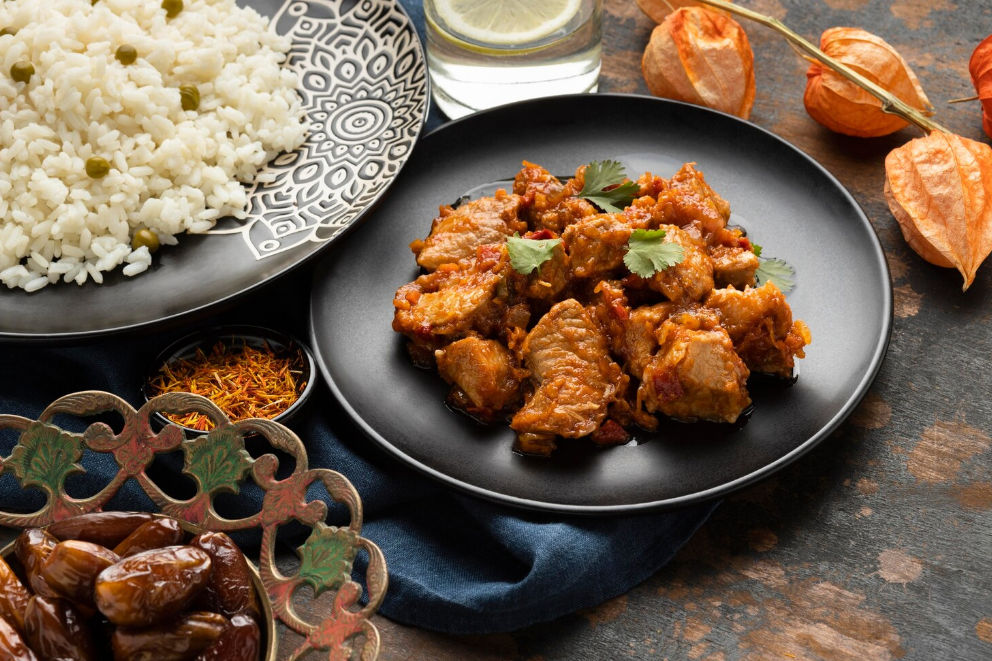
The perception of Moroccan cuisine often revolves around the slow, simmering pot of a traditional tagine, where tough cuts of meat break down over hours into tender, aromatic perfection. While this method yields incredible results, it creates a barrier for weeknight cooking when time is the most scarce ingredient. However, the essence of Moroccan flavor does not strictly depend on long cooking times. By shifting the focus from slow braising to high-heat searing, thin slicing, and the strategic use of potent spice blends, it is entirely possible to create authentic-tasting Moroccan chicken dishes in fifteen minutes or less. This approach leverages the culinary logic of taquelia (grilled or pan-seared meats) and kefta styles, adapting them for the modern kitchen without sacrificing the depth of flavor that defines North African gastronomy.
The Flavor Foundation: Spices and Marinades
The secret to achieving complex flavors in a short window lies in the marinade. In Moroccan cooking, the spice blend known as ras el hanout is the cornerstone of flavor. This mixture, which can contain upwards of thirty different spices including cardamom, clove, cinnamon, cumin, coriander, nutmeg, mace, allspice, cloves, ginger, and various peppers, delivers an immediate aromatic punch that does not require hours to penetrate the meat when the surface area is maximized. According to culinary historians at Smithsonian Magazine, the evolution of these spice blends was designed not just for preservation but for creating intense sensory experiences with available ingredients. When preparing a quick chicken dish, the chicken should be cut into thin strips or small cubes, drastically increasing the surface area exposed to the marinade.
A effective fifteen-minute marinade relies on acid and oil to carry these fat-soluble and water-soluble flavor compounds. Olive oil, a staple in Moroccan agriculture, acts as the carrier for the spices, while lemon juice or preserved lemon pulp provides the necessary acidity to slightly denature the proteins on the surface, mimicking the texture of a longer cook. Garlic, ginger, and fresh cilantro or parsley are chopped finely and mixed directly into this emulsion. The key is to ensure the spices are bloomed slightly in the hot pan before the chicken is added, or mixed thoroughly with the oil beforehand to awaken their essential oils. This technique ensures that every bite is saturated with the warm, earthy notes characteristic of the region, bypassing the need for a slow simmer to develop flavor.
Selecting and Preparing the Protein
Not all cuts of chicken are suitable for a fifteen-minute preparation. Whole breasts or thighs with the bone in will not cook through safely or evenly in such a short timeframe without drying out or remaining raw in the center. The ideal candidates are boneless, skinless chicken thighs or chicken breasts that have been pounded to an even thickness or sliced into medallions. Chicken thighs are often preferred by chefs for their higher fat content, which keeps the meat moist during high-heat cooking. The USDA Food Safety and Inspection Service emphasizes that poultry must reach an internal temperature of 165°F (74°C) to be safe for consumption, a target easily met with thin cuts in a hot skillet within ten to twelve minutes.
Preparation involves slicing the meat against the grain into strips roughly half an inch thick. This method, similar to the preparation for chicken shawarma or stir-fries, ensures rapid heat penetration. If using breasts, pounding them to a uniform quarter-inch thickness prevents the common issue of dry edges and raw centers. The uniformity of the cut is critical; inconsistent sizes lead to uneven cooking, where some pieces are overcooked while others are underdone. Once sliced, the chicken is tossed immediately in the spice-oil mixture. Even a five-minute rest at room temperature while the pan heats up allows the salt in the marinade to begin drawing out moisture and reabsorbing the seasoned liquid, enhancing the seasoning profile significantly more than if the meat were cooked immediately after mixing.
High-Heat Cooking Techniques
The cooking vessel and heat management are pivotal in replicating the charred, smoky notes often associated with Moroccan street food. A heavy-bottomed skillet, such as cast iron or carbon steel, is superior for this application because it retains heat well and creates a strong sear. When the marinated chicken hits the pan, it should sizzle aggressively. Crowding the pan is the enemy of a good sear; if the pan is too full, the temperature drops, and the chicken steams in its own juices rather than browning. The Maillard reaction, a chemical process described in detail by resources like Serious Eats, is responsible for the complex flavors and brown color on the surface of the meat. This reaction occurs rapidly at temperatures above 300°F (150°C).
Cooking should be done in batches if necessary. The chicken strips are laid in a single layer with space between them. They are left undisturbed for two to three minutes to develop a crust before being flipped. This technique creates a textural contrast between the caramelized exterior and the juicy interior. For dishes resembling chicken kefta, the ground chicken mixture can be formed into small patties or logs and seared similarly. The addition of a small amount of butter or smen (fermented butter) towards the end of the cooking process can add a layer of richness and a nutty aroma that is distinctively North African. The entire active cooking time rarely exceeds eight minutes for thin strips, leaving ample time within the fifteen-minute window for final garnishing and plating.
Integrating Vegetables for a Complete Meal
To transform a protein-focused dish into a complete meal without extending the cooking time, vegetables must be selected and prepped with the same urgency as the chicken. Root vegetables like carrots or potatoes are unsuitable for a fifteen-minute timeline unless pre-cooked or grated. Instead, quick-cooking vegetables such as bell peppers, zucchini, cherry tomatoes, spinach, or snap peas are ideal. These vegetables are sliced thinly or halved to ensure they soften and char in the same timeframe as the chicken. In many Moroccan households, vegetables are often cooked alongside the meat in the same pan, allowing the flavors to meld.
Peppers and onions, staples in dishes like taktouka or simple sautés, should be sliced into thin strips. They can be added to the pan immediately after the first batch of chicken is removed, utilizing the fond (the browned bits left in the pan) to build flavor. Zucchini rounds or half-moons cook in under four minutes over high heat. Leafy greens like spinach or chard wilt in less than a minute and can be stirred in at the very end, absorbing the spiced oils and lemon juice. The Academy of Nutrition and Dietetics notes that quick-cooking methods like stir-frying or sautéing help retain water-soluble vitamins in vegetables better than boiling. By integrating these elements sequentially or simultaneously in a large wok or skillet, a balanced plate featuring protein, fiber, and micronutrients is achieved efficiently.
The Role of Preserved Lemons and Olives
No discussion of Moroccan flavor profiles is complete without addressing preserved lemons and olives. These ingredients provide the salty, briny, and acidic counterpoints that balance the warmth of the spices. Traditionally, preserved lemons are slow-cured, but their intense flavor means only a small amount is needed to transform a dish. For a quick recipe, the rind of a preserved lemon is finely minced and added to the pan during the last minute of cooking. This prevents the delicate citrus oils from burning while infusing the dish with its signature perfume. If preserved lemons are unavailable, fresh lemon zest combined with a pinch of salt can approximate the flavor, though the fermented depth will differ.
Olives, particularly the purple or green varieties common in North Africa, are typically added at the end of the cooking process to warm through without losing their texture. They contribute a briny salinity that reduces the need for additional salt in the dish. The combination of chicken, spices, preserved lemon, and olives creates a flavor profile reminiscent of a classic tagine but achieved through sautéing. This adaptation respects the traditional flavor palette while adhering to the constraints of modern time management. Authentic sources like Visit Morocco highlight how these ingredients are central to the country’s culinary identity, appearing in everything from street snacks to festive meals.
Essential Side Dishes and Accompaniments
While the chicken and vegetable mixture can stand alone, traditional accompaniments elevate the meal. Couscous is the most logical choice for a fifteen-minute meal, as instant or pre-steamed couscous requires only five minutes to prepare by simply steeping in hot broth or water. The texture of fluffy, separate grains provides a neutral base that absorbs the spiced sauces from the chicken. For a lower-carb option, cauliflower rice can be sautéed quickly with a touch of cumin and turmeric. Bread, specifically khobz, is another staple used to scoop up the food, though finding authentic versions quickly may require purchasing from a bakery or using high-quality pita as a substitute.
A fresh salad often accompanies rich, spiced meats to provide a cooling contrast. A simple Moroccan salad of diced tomatoes, cucumbers, onions, and parsley dressed with olive oil, lemon juice, and cumin can be assembled while the chicken cooks. The freshness of the raw vegetables cuts through the intensity of the ras el hanout and the richness of the oil. Yogurt-based sauces, perhaps flavored with mint and garlic, also serve as an excellent cooling element, balancing the heat if chili peppers were included in the spice blend. These sides require minimal active effort and utilize ingredients that are likely already prepped or require no cooking, ensuring the total meal time remains within the fifteen-minute target.
Comparison of Quick-Cook Methods
Different techniques yield slightly different results even within the fifteen-minute constraint. Understanding the nuances between pan-searing strips, grilling patties, or stir-frying cubes helps in selecting the right method for the desired outcome. The following table outlines the characteristics of these approaches.
| Method | Best Cut of Chicken | Texture Profile | Flavor Intensity | Ideal Vegetable Pairing |
|---|---|---|---|---|
| Pan-Seared Strips | Breast or Thigh slices | Crispy edges, tender interior | High (due to surface area) | Bell peppers, onions, zucchini |
| Grilled Patties (Kefta style) | Ground chicken | Juicy inside, charred outside | Medium-High (spices mixed in) | Tomatoes, spinach, eggplant |
| Stir-Fried Cubes | Thigh cubes | Uniformly tender, saucy | Medium (sauce dependent) | Snap peas, carrots (julienned), broccoli |
| Butterflied Thighs | Whole boneless thigh | Meaty, substantial chew | High (if scored and marinated) | Cherry tomatoes, asparagus, kale |
Pan-seared strips offer the fastest cooking time and the most significant Maillard reaction, making them ideal for those seeking a “grilled” flavor without a grill. Ground chicken patties mimic the traditional kefta experience and are excellent for incorporating spices directly into the meat matrix, ensuring flavor in every bite. Stir-fried cubes work best when a sauce is desired, as the increased surface area of the cubes holds onto liquid seasonings well. Butterflied thighs provide a heartier mouthfeel and are suitable for those who prefer larger pieces of meat, though they require careful pounding to ensure even cooking. Each method adheres to the time limit while offering a distinct textural experience.
Troubleshooting Common Pitfalls
Even with a straightforward process, errors can occur that compromise the quality of the dish. One frequent issue is the burning of spices. Ground spices, particularly those with high sugar content or fine particles like paprika or cinnamon, can burn quickly in hot oil. To prevent this, spices can be mixed into the oil and applied to the chicken before cooking, rather than sprinkling dry spices directly into a hot pan. Alternatively, the spices can be added to the pan briefly before the chicken, but the heat must be managed carefully to toast them without incinerating them. Another common mistake is overcrowding the pan, which leads to steaming. It is better to cook in two rapid batches than to fill the pan and end up with gray, boiled-looking chicken.
Dryness is another concern, particularly with chicken breasts. This is usually a result of overcooking or cutting the meat too thick. Using a meat thermometer to pull the chicken off the heat exactly when it reaches 165°F prevents the residual heat from overcooking the interior. Resting the meat for a minute or two after cooking allows the juices to redistribute throughout the muscle fibers. If the dish lacks depth of flavor, it is often due to insufficient salt or acid. A final squeeze of fresh lemon juice or a sprinkle of flaky sea salt just before serving can brighten the flavors and correct a bland profile. These adjustments are simple but critical for maintaining the high standard of flavor expected from Moroccan-inspired cuisine.
Nutritional Considerations and Balance
Moroccan cuisine, when adapted for quick cooking, offers a highly nutritious profile. Chicken is a lean source of protein essential for muscle repair and satiety. The reliance on olive oil provides monounsaturated fats, which are beneficial for heart health. The abundant use of spices like turmeric, ginger, and cumin adds more than just flavor; these ingredients are rich in antioxidants and anti-inflammatory compounds. Research from institutions like the National Institutes of Health has highlighted the potential health benefits of curcumin in turmeric and gingerol in ginger, both of which are common in Moroccan spice blends.
By incorporating a variety of colorful vegetables, the meal becomes a powerhouse of vitamins and minerals. The quick-cooking method preserves the nutrient density of these vegetables better than prolonged boiling. Furthermore, controlling the amount of added salt by relying on preserved lemons and olives for salinity allows for a more balanced sodium intake. The inclusion of whole grain couscous or a side of legumes can increase the fiber content, aiding in digestion and providing sustained energy. This approach demonstrates that fast food does not have to equate to unhealthy food; with the right ingredients and techniques, a fifteen-minute meal can align with rigorous dietary standards.
Adapting to Dietary Restrictions
The flexibility of Moroccan flavor profiles makes this fifteen-minute approach adaptable to various dietary needs. For gluten-free diets, ensuring that the spice blends do not contain anti-caking agents with wheat and serving the chicken over rice or quinoa instead of couscous makes the meal safe. Dairy-free requirements are easily met as traditional Moroccan chicken dishes rarely rely on cream or cheese, using oil and lemon for richness instead. For those monitoring carbohydrate intake, the vegetable component can be expanded to replace grains entirely, creating a bowl filled with roasted peppers, zucchini, and leafy greens topped with the spiced chicken.
Vegetarian adaptations are also possible by substituting the chicken with firm tofu, tempeh, or chickpeas. Tofu, when pressed and cubed, absorbs the marinade effectively and sears well in the same timeframe. Chickpeas, if using canned varieties, only need to be warmed and crisped in the pan, offering a plant-based protein source that pairs exceptionally well with ras el hanout and preserved lemon. This versatility ensures that the core flavors of the cuisine remain accessible to a wide audience, regardless of specific dietary constraints. The fundamental techniques of high-heat searing and bold seasoning remain constant, proving that the methodology is robust across different protein sources.
Frequently Asked Questions
Can I use store-bought rotisserie chicken for this recipe?
Yes, store-bought rotisserie chicken is an excellent time-saving alternative. Since the chicken is already cooked, the process changes from cooking raw meat to reheating and flavoring. Shred the chicken and toss it in a pan with a little olive oil, the spice blend, garlic, and lemon juice for 3-5 minutes until heated through and the spices are fragrant. This reduces the active cooking time to under ten minutes.
What is the best substitute for preserved lemon if I cannot find it?
If preserved lemon is unavailable, combine the zest of one fresh lemon with a teaspoon of salt and a splash of lemon juice. Let this mixture sit for a few minutes before adding it to the dish. While it lacks the fermented complexity of true preserved lemon, it provides the necessary citrus oil and salinity to mimic the flavor profile effectively in a quick-cook scenario.
Is ras el hanout spicy?
Traditional ras el hanout is aromatic and warm rather than intensely hot. It derives its heat from black pepper and sometimes mild chilies, but the dominant notes are earthy, floral, and sweet from spices like cinnamon and cardamom. If a spicier dish is desired, add harissa paste or crushed red pepper flakes separately to control the heat level without altering the foundational spice blend.
Can I prep the chicken ahead of time?
Absolutely. Marinating the chicken strips up to 24 hours in advance will deepen the flavor. Store the marinated chicken in an airtight container in the refrigerator. When ready to cook, let it sit at room temperature for 15 minutes before searing to ensure even cooking. This makes the actual cooking process even faster, as the prep work is already completed.
What type of pan is best for achieving the charred look?
A cast-iron skillet or a heavy stainless steel pan is ideal. These materials retain heat efficiently and allow for high-temperature searing, which is crucial for the Maillard reaction that creates the browned, flavorful crust. Non-stick pans can be used but may not achieve the same level of browning or fond development, which contributes to the overall sauce flavor.
How do I prevent the garlic from burning?
Garlic burns quickly at high temperatures. To prevent this, either mix minced garlic into the oil marinade before cooking, which protects it slightly, or add it to the pan during the last minute of cooking. If sautéing vegetables, add the garlic after the harder vegetables have softened slightly to ensure it releases its aroma without turning bitter.
Is this recipe suitable for meal prep?
Yes, these chicken dishes reheat well. Store the cooked chicken and vegetables in separate containers or combined in meal prep bowls. They can be refrigerated for up to four days. Reheat gently in a skillet with a splash of water or broth to restore moisture, or microwave covered to steam slightly. The flavors often improve the next day as the spices continue to meld.
Can I make this dish without oil?
While oil is traditional for carrying the fat-soluble spices and achieving a sear, you can use a small amount of chicken broth or water to sauté the chicken if necessary. However, the texture will be more steamed than seared, and the spices may not bloom as fully. A spray of olive oil cooking spray can be a middle ground, providing enough fat for browning with fewer calories.
Conclusion
The notion that authentic Moroccan flavors require hours of slow cooking is a misconception that overlooks the versatility of the cuisine’s core components. By focusing on the potency of spice blends like ras el hanout, the efficiency of high-heat searing, and the strategic selection of ingredients, it is entirely feasible to produce a meal that captures the soul of North African cooking in fifteen minutes. This approach does not dilute the tradition but rather adapts it to the rhythm of contemporary life, proving that depth of flavor is a result of technique and ingredient quality rather than duration alone.
The ability to create such a dish empowers home cooks to explore global cuisines without the intimidation of complex, time-consuming procedures. It encourages the stocking of pantry staples like preserved lemons, olives, and diverse spices, which serve as the building blocks for countless quick meals. As culinary habits evolve, the integration of these efficient methods ensures that the rich heritage of Moroccan food remains accessible and relevant. Whether served over fluffy couscous, nestled in warm bread, or accompanied by a crisp salad, these fifteen-minute chicken recipes offer a satisfying, nutritious, and deeply flavorful solution for the busy weeknight dinner, bridging the gap between tradition and modern convenience with every bite.