

The transition from relying on takeout menus or frozen meals to preparing a home-cooked dinner represents a significant milestone in personal independence and health management. For many beginners, the kitchen can feel like an intimidating laboratory filled with complex tools and obscure techniques. However, the reality of modern cooking is far more accessible. The foundation of a successful home-cooking routine lies not in mastering French sauces or intricate pastry work, but in understanding a core set of simple, reliable dinner recipes that utilize fresh ingredients and straightforward methods. By focusing on fundamental techniques and high-quality components, anyone can produce nutritious, delicious meals without the stress often associated with culinary endeavors.
The journey toward culinary confidence begins with a shift in perspective regarding what constitutes a “meal.” In the professional culinary world, efficiency and flavor are paramount, and these principles apply equally to the home cook. A well-structured dinner does not require hours of preparation; rather, it demands a logical approach to ingredient selection and heat application. Understanding how to properly source ingredients, manage kitchen tools, and execute basic cooking methods creates a framework where simple recipes consistently yield excellent results. This guide explores the essential strategies, specific recipe categories, and practical knowledge required to build a robust repertoire of beginner-friendly dinners.
The Foundation: Essential Tools and Ingredient Strategy
Before diving into specific recipes, it is crucial to establish a functional kitchen environment. The misconception that one needs a vast array of specialized gadgets often paralyzes beginners. In truth, a highly effective kitchen setup requires only a few high-quality basics. A sharp chef’s knife is arguably the most critical tool, as it ensures safety and precision when chopping vegetables or portioning proteins. Dull knives require more force, increasing the risk of slipping and injury. Alongside a reliable knife, a sturdy cutting board, a large skillet (preferably stainless steel or cast iron), a saucepan, and a baking sheet form the backbone of a versatile kitchen. These tools are sufficient to execute the vast majority of simple dinner recipes found in reputable culinary resources like the Food Network’s basic equipment guide.
Equally important is the strategy behind ingredient procurement. The quality of the final dish is inextricably linked to the freshness and appropriateness of the components used. Beginners often make the mistake of buying exotic ingredients that spoil quickly or require complex preparation. A more sustainable approach involves stocking a pantry with non-perishable staples such as olive oil, salt, black pepper, dried herbs, garlic, onions, rice, pasta, and canned tomatoes. These items serve as the building blocks for countless dishes. Fresh proteins like chicken breasts, ground turkey, or firm tofu, combined with seasonal vegetables, allow for endless variation without the need for a constantly expanding grocery list. The USDA’s guidelines on food safety and storage provide essential information on how to handle these raw ingredients safely, ensuring that the cooking process remains hygienic from start to finish.
Planning is another pillar of successful home cooking. The concept of “mise en place,” a French culinary phrase meaning “everything in its place,” is vital for beginners. This practice involves measuring, cutting, and organizing all ingredients before turning on the stove. It prevents the common scenario of burning garlic while searching for a missing spice jar. By adopting this organized approach, the cooking process becomes a series of manageable steps rather than a chaotic race against time. Furthermore, understanding the nutritional balance of a meal ensures that simplicity does not come at the cost of health. A balanced plate typically includes a lean protein, a complex carbohydrate, and a generous portion of vegetables, a principle supported by dietary recommendations from institutions like the Harvard T.H. Chan School of Public Health.
One-Pan Wonders: Sheet Pan Dinners and Skillet Meals
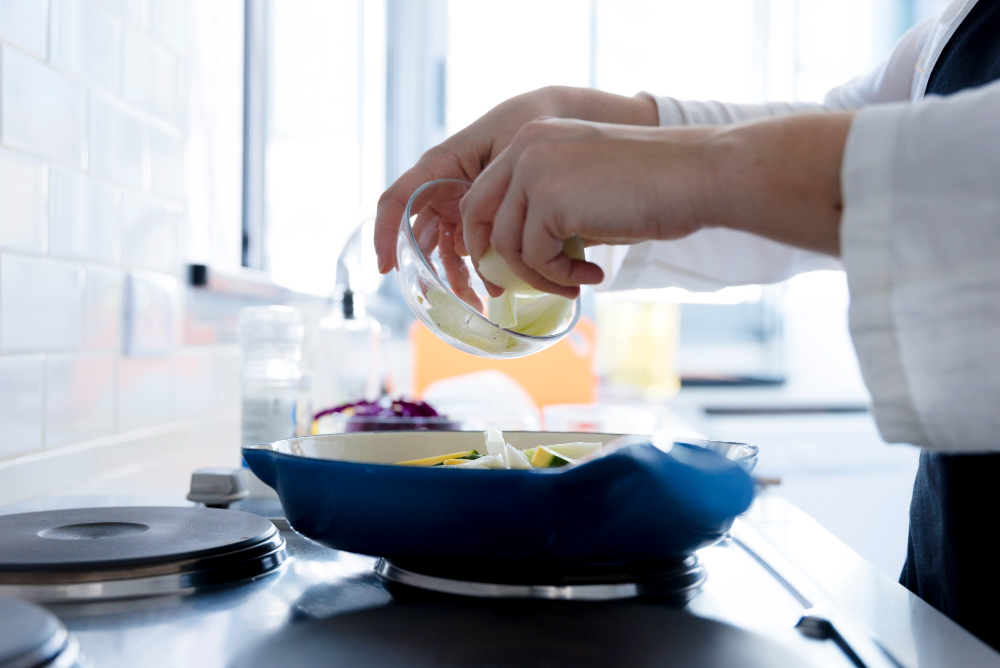
One of the most efficient categories of dinner recipes for beginners is the “one-pan” meal. These dishes minimize cleanup time and maximize flavor by allowing ingredients to cook together, often sharing juices and seasonings. Sheet pan dinners, in particular, have gained immense popularity due to their simplicity and versatility. The method involves arranging proteins and vegetables on a single baking sheet and roasting them in the oven. The dry heat of the oven caramelizes the natural sugars in vegetables like broccoli, carrots, and bell peppers, while simultaneously cooking proteins like chicken thighs or salmon fillets. This technique requires minimal active monitoring, making it ideal for those who are new to timing multiple components of a meal.
The science behind roasting involves the Maillard reaction, a chemical process between amino acids and reducing sugars that gives browned food its distinctive flavor. Achieving this reaction requires space; overcrowding the pan leads to steaming rather than roasting. Therefore, a key tip for success is ensuring that ingredients are spread out in a single layer with space between them. Seasoning is straightforward: a coating of olive oil, salt, pepper, and perhaps a sprinkle of paprika or dried oregano is often sufficient to create a delicious profile. For those looking to expand their flavor profiles without complexity, exploring global spice blends can transform a basic sheet pan meal. Resources like Serious Eats’ guides on roasting techniques offer deep dives into the physics of heat transfer and how to optimize texture and taste in oven-cooked meals.
Skillet meals offer a stovetop alternative that is equally efficient. A large skillet allows for the preparation of stir-fries, fajitas, or hash-style dinners where ingredients are sautéed sequentially or together. The advantage of the skillet is the ability to control heat levels rapidly and to deglaze the pan—adding liquid to lift the flavorful browned bits from the bottom—to create an instant sauce. For example, a chicken and vegetable stir-fry can be completed in under twenty minutes. The process involves searing the protein first, removing it, cooking the vegetables until crisp-tender, and then returning the protein to the pan with a simple sauce made from soy sauce, ginger, and garlic. This method preserves the texture of the vegetables and ensures the protein remains juicy. The America’s Test Kitchen frequently publishes rigorous tests on skillet materials and techniques, providing evidence-based advice on how to achieve restaurant-quality results at home.
A common variation of the skillet meal is the “hash,” which typically combines diced potatoes, onions, and a protein source. This dish is forgiving and adaptable; leftover cooked meats or canned beans can be incorporated easily. The key to a successful hash is patience—allowing the potatoes to develop a crispy crust before stirring. This textural contrast elevates a simple mixture of ingredients into a satisfying meal. Whether using a sheet pan or a skillet, the underlying principle remains the same: combine high-quality, fresh ingredients with a reliable cooking method to produce a meal that is greater than the sum of its parts. These methods reduce the cognitive load on the cook, allowing them to focus on execution rather than complex logistics.
The Art of Simplicity: Pasta and Grain Bowls
Pasta and grain bowls represent another cornerstone of beginner-friendly cooking. These dishes are inherently modular, allowing for endless customization based on available ingredients and dietary preferences. The primary skill required for pasta dishes is boiling water correctly and understanding sauce emulsification. Many beginners make the error of rinsing cooked pasta, which removes the surface starch necessary for the sauce to adhere. Instead, reserving a cup of the starchy pasta water before draining is a professional trick that helps bind oil-based or tomato-based sauces to the noodles, creating a cohesive dish. This technique is explained in detail by culinary authorities such as Bon Appétit, which emphasizes the importance of texture and sauce integration in Italian cooking.
A classic example of a simple yet elegant pasta dish is Aglio e Olio, which requires only spaghetti, garlic, olive oil, red pepper flakes, and parsley. Despite its minimal ingredient list, the dish relies on technique: gently infusing the oil with garlic without burning it, and vigorously tossing the pasta with the reserved water to create a creamy emulsion. This demonstrates that complexity in flavor does not require complexity in ingredients. Similarly, tomato-based sauces can be elevated by simmering canned San Marzano tomatoes with onions and basil. The acidity of the tomatoes balances the richness of the olive oil, creating a robust flavor profile that pairs well with various proteins, from meatballs to lentils.
Grain bowls follow a similar logic but substitute pasta with bases like quinoa, brown rice, farro, or bulgur. These whole grains offer a nutty flavor and a chewy texture that holds up well against dressings and toppings. The structure of a grain bowl typically involves a base, a protein, roasted or raw vegetables, and a dressing. This format is particularly advantageous for meal prepping, as the components can be prepared in bulk and assembled throughout the week. The nutritional density of grain bowls makes them a favorite among health-conscious individuals. Organizations like the Whole Grains Council provide extensive data on the health benefits of incorporating diverse grains into the daily diet, reinforcing the value of these simple meals.
Dressings play a pivotal role in grain bowls, acting as the unifying element. A simple vinaigrette made from olive oil, vinegar (such as apple cider or red wine vinegar), mustard, and herbs can transform a collection of separate ingredients into a harmonious meal. The ratio of oil to acid is critical; a standard starting point is three parts oil to one part acid, adjusted to taste. Emulsifying the dressing by whisking vigorously ensures it coats the grains and vegetables evenly. Unlike heavy cream-based sauces, vinaigrettes add brightness and cut through the richness of the grains and proteins. This balance of flavors is a fundamental concept in culinary arts, often highlighted in educational resources from the Culinary Institute of America.
Protein Perfection: Mastering Chicken, Fish, and Plant-Based Options
Selecting and cooking protein is often the most daunting aspect of dinner preparation for beginners. Fear of undercooking or drying out meat can lead to reliance on pre-marinated or processed options. However, mastering a few basic techniques for chicken, fish, and plant-based proteins can unlock a world of possibilities. Chicken breast is a staple due to its mild flavor and versatility, but it is prone to drying out if overcooked. The key to juicy chicken is cooking it to the correct internal temperature of 165°F (74°C) and allowing it to rest before slicing. Using a meat thermometer eliminates guesswork and ensures food safety, a practice strongly advocated by the Centers for Disease Control and Prevention (CDC) regarding safe food handling.
Baking or pan-searing are two reliable methods for preparing chicken. Baking at a moderate temperature allows for even cooking, while pan-searing creates a flavorful crust. Brining chicken breasts in a saltwater solution prior to cooking can also significantly improve moisture retention and flavor penetration. For those seeking variety, chicken thighs are a more forgiving cut with higher fat content, making them difficult to overcook and ideal for roasting or braising. The versatility of poultry allows it to absorb a wide range of marinades, from lemon-herb combinations to spicy yogurt-based mixtures common in Indian cuisine.
Fish is another excellent protein source that cooks quickly and offers substantial health benefits, particularly fatty fish like salmon and mackerel which are rich in omega-3 fatty acids. The general rule for cooking fish is “10 minutes per inch of thickness,” a guideline that simplifies the process considerably. Baking fish in parchment paper (en papillote) traps steam and aromatics, resulting in a moist and flavorful dish with minimal cleanup. This method is particularly effective for delicate fillets that might fall apart in a skillet. The American Heart Association recommends consuming fish at least twice a week, underscoring the importance of integrating these simple recipes into a regular dinner rotation.
Plant-based proteins such as tofu, tempeh, and legumes offer nutritious alternatives that are budget-friendly and sustainable. Tofu, often misunderstood due to its bland reputation, is a canvas for flavor. The secret to great tofu lies in pressing out excess water to improve texture, followed by marinating and searing or baking until crispy. Tempeh, with its nutty flavor and firm texture, holds up well in stir-fries and grain bowls. Legumes like lentils and chickpeas can be used as the primary protein in soups, stews, and salads. They require minimal preparation, especially when using canned varieties, and provide a significant amount of fiber and protein. Resources from the Academy of Nutrition and Dietetics offer comprehensive guides on incorporating plant-based proteins into meals effectively, ensuring nutritional adequacy without compromising on taste.
Comparative Analysis of Cooking Methods for Beginners
To further clarify the best approaches for different situations, the following table compares common cooking methods suitable for beginners. This analysis considers factors such as time commitment, skill level required, cleanup effort, and flavor potential. Understanding these variables helps in selecting the right method for a specific evening’s constraints.
| Cooking Method | Time Commitment | Skill Level Required | Cleanup Effort | Flavor Profile & Texture | Best Suited For |
|---|---|---|---|---|---|
| Sheet Pan Roasting | Moderate (30-45 mins) | Low | Minimal (One pan) | Caramelized, savory, tender-crisp veggies | Chicken thighs, root vegetables, salmon |
| Skillet Sauté/Stir-Fry | Fast (15-20 mins) | Low-Medium | Moderate (Pan + prep) | Bright, textured, saucy | Thin-cut meats, firm tofu, leafy greens |
| Boiling/Simmering | Variable (20-60 mins) | Low | Moderate (Pot + ladle) | Soft, comforting, broth-infused | Pasta, soups, stews, grains |
| Baking (En Papillote) | Moderate (20-30 mins) | Low | Minimal (Foil/Parchment) | Moist, aromatic, delicate | Fish fillets, chicken breasts, veggies |
| Slow Cooking | High (4-8 hours passive) | Very Low | Moderate (Pot insert) | Deeply developed flavors, fall-apart tender | Tough cuts of meat, bean chilis, curries |
This comparison highlights that while some methods require more active attention, others allow for a “set it and forget it” approach. Sheet pan roasting and baking in parchment are particularly advantageous for weeknights when time and energy are limited, as they consolidate cooking and cleanup. Conversely, skillet meals offer speed and textural variety, making them ideal for quick turnarounds. Slow cooking, while requiring advance planning, yields complex flavors with almost zero active effort during the cooking window. By rotating through these methods, beginners can maintain a varied and interesting dinner schedule without feeling overwhelmed by technical demands.
Troubleshooting Common Beginner Challenges
Even with simple recipes, challenges inevitably arise. One of the most frequent issues is inconsistent seasoning. Food tastes different at various stages of cooking, and under-seasoning is a common pitfall. Salt is not just a flavor enhancer; it acts as a flavor magnifier, making other ingredients taste more like themselves. It is generally advisable to season in layers—adding small amounts of salt during the cooking process rather than all at the end. Acid, in the form of lemon juice or vinegar, is another crucial element that can brighten a dish that tastes “flat.” If a meal lacks depth, a splash of acid often resolves the issue more effectively than adding more salt.
Another common challenge is managing cooking times for multiple components. In a meal where rice takes 20 minutes and vegetables take 10, timing can go awry. The solution lies in reading the entire recipe before starting and creating a mental or written timeline. Starting the component with the longest cooking time first is a reliable strategy. Additionally, keeping cooked components warm in a low oven (around 200°F) while finishing other elements ensures everything is ready to serve simultaneously. This logistical aspect of cooking is just as important as the physical act of chopping and stirring.
Texture issues, such as mushy vegetables or tough meat, often stem from improper heat management. Vegetables should generally be cooked until “crisp-tender,” retaining a slight bite. Overcooking destroys cell walls, leading to a mushy consistency and loss of nutrients. Conversely, meat becomes tough when cooked beyond its optimal internal temperature or when sliced immediately without resting. Resting allows the juices, which have been driven to the center of the meat by heat, to redistribute throughout the cut. These nuances, while seemingly minor, distinguish a mediocre meal from a great one. Educational platforms like Cook’s Illustrated dedicate significant resources to explaining the “why” behind these phenomena, empowering cooks to troubleshoot effectively.
Building a Sustainable Cooking Routine
Transitioning to home-cooked dinners is not merely about learning recipes; it is about building a sustainable habit. Consistency is key, and this is best achieved by starting small. Attempting to cook elaborate meals every night often leads to burnout. Instead, aiming for three or four home-cooked dinners a week allows for a gradual adjustment period. Utilizing leftovers strategically can also reduce the workload; a roasted chicken dinner can provide meat for sandwiches or salads the following day. This approach maximizes efficiency and minimizes food waste, aligning with both economic and environmental goals.
Grocery shopping plays a pivotal role in this routine. Shopping with a plan based on selected recipes prevents impulse buys and ensures that all necessary ingredients are on hand. Organizing the pantry and refrigerator so that ingredients are visible and accessible encourages their use. Furthermore, involving family members or roommates in the process, whether through meal planning or simple prep tasks, can foster a shared appreciation for home cooking. The social aspect of food preparation transforms it from a chore into a communal activity, reinforcing the habit.
The long-term benefits of cooking at home extend beyond financial savings. Home-cooked meals typically contain lower levels of sodium, sugar, and unhealthy fats compared to restaurant or processed foods. This control over ingredients contributes to better overall health outcomes. Moreover, the skill of cooking is a life competency that fosters self-reliance and creativity. As confidence grows, beginners naturally begin to experiment, modifying recipes and developing their own signature dishes. This evolution from follower to creator marks the true mastery of the kitchen.
Frequently Asked Questions
What are the absolute easiest dinner recipes for someone who has never cooked before?
The easiest recipes are those with fewer than five ingredients and a single cooking method. Scrambled eggs with toast, grilled cheese sandwiches, and sheet pan sausages with roasted vegetables are excellent starting points. These dishes require minimal preparation, have short cooking times, and have a low margin for error. Pasta aglio e olio is another top contender, as it relies on pantry staples and basic boiling and sautéing techniques. The focus should be on mastering the method rather than the complexity of the dish.
How can I ensure my chicken breasts do not turn out dry?
Dry chicken is usually the result of overcooking. The most reliable method to prevent this is using a digital meat thermometer to check for an internal temperature of 165°F (74°C). Removing the chicken from the heat source immediately upon reaching this temperature is crucial. Additionally, allowing the meat to rest for 5-10 minutes before cutting allows the juices to redistribute. Brining the chicken in a saltwater solution for 30 minutes prior to cooking can also enhance moisture retention. Pounding the breasts to an even thickness ensures they cook uniformly.
Is it necessary to buy expensive kitchen equipment to cook good meals?
No, expensive equipment is not a prerequisite for delicious food. A sharp chef’s knife, a durable cutting board, a large skillet, and a baking sheet are sufficient for the vast majority of recipes. Quality matters more than quantity; a single high-quality knife is far superior to a block of dull, cheap ones. Many professional chefs emphasize that technique and ingredient quality outweigh the need for specialized gadgets. Investing in a good meat thermometer and a few sturdy pots and pans is more beneficial than acquiring niche tools.
How do I substitute ingredients in a recipe if I don’t have everything listed?
Cooking is flexible, and most recipes can accommodate substitutions. Herbs can often be swapped (e.g., basil for oregano), and vegetables can be interchanged based on seasonality or preference (e.g., zucchini for yellow squash). Proteins can also be substituted; chicken can often replace pork or tofu in stir-fries. When substituting, consider the cooking time and texture of the alternative ingredient. For baking, however, substitutions require more precision due to the chemical reactions involved. For savory dinners, intuition and experimentation are encouraged.
What is the best way to store leftovers to ensure they stay fresh?
Proper storage is essential for food safety and quality. Leftovers should be cooled to room temperature within two hours of cooking and then transferred to airtight containers. Glass containers are preferable as they do not retain odors or stains. Most cooked meals remain safe to eat for 3-4 days when stored in the refrigerator at or below 40°F. For longer storage, freezing is an effective option. Labeling containers with the date helps track freshness. Reheating should be done thoroughly to an internal temperature of 165°F to eliminate any potential bacteria.
How can I make simple meals taste more exciting without complex spices?
Flavor can be enhanced through simple additions that do not require a fully stocked spice rack. Fresh herbs like parsley, cilantro, or basil added at the end of cooking provide brightness. A squeeze of lemon or lime juice can elevate the flavors of almost any savory dish. Toasting nuts or seeds and sprinkling them on top adds texture and nuttiness. Finishing a dish with a drizzle of high-quality olive oil or a pinch of flaky sea salt can also make a significant difference. These small touches add layers of flavor and texture with minimal effort.
Conclusion
The path to becoming a competent home cook is paved with simple, repeatable actions rather than grand gestures. By focusing on foundational techniques, utilizing versatile ingredients, and embracing efficient cooking methods like sheet pan roasting and skillet sautéing, beginners can consistently produce meals that are both nutritious and satisfying. The intimidation factor of the kitchen dissipates when one realizes that great food often stems from the respectful treatment of simple components. A perfectly roasted vegetable, a juicy piece of chicken, or a well-emulsified pasta sauce requires no magic, only attention to detail and an understanding of basic culinary principles.
As skills develop, the kitchen transforms from a place of uncertainty into a space of creativity and sustenance. The ability to prepare a meal from scratch offers a profound sense of accomplishment and control over one’s health and well-being. It connects individuals to the sources of their food and fosters a deeper appreciation for the flavors and textures that nature provides. While the journey begins with simple recipes, the destination is a lifelong capability to nourish oneself and others with confidence. The tools, strategies, and insights discussed here serve as a sturdy launchpad for this journey, proving that dinner at home can be the highlight of the day, achievable by anyone willing to turn on the stove.