

Moroccan cuisine often conjures images of rich, slow-cooked tagines glistening with oil, mounds of buttery couscous, and sweet pastries drenched in honey. While these indulgent dishes are central to celebratory feasts, they represent only one facet of a culinary tradition deeply rooted in balance, seasonality, and health. For centuries, the daily diet across the Maghreb has relied heavily on vegetables, legumes, whole grains, and lean proteins, seasoned with an arsenal of aromatic spices that add depth without adding calories. Understanding the architecture of traditional Moroccan meals reveals a treasure trove of options perfectly suited for weight management and metabolic health, provided one knows how to navigate the menu and prepare the dishes with modern nutritional awareness.
The foundation of low-calorie Moroccan eating lies in the sofrito base known as taqalia. This mixture of onions, garlic, tomatoes, and spices forms the backbone of countless stews and soups. When prepared with minimal oil, taqalia provides a robust flavor profile that eliminates the need for heavy creams or excessive fats. The reliance on fresh produce is not merely a trend but a historical necessity driven by the region’s agricultural cycles. Markets, or souks, are filled with seasonal vegetables like zucchini, eggplant, carrots, turnips, and pumpkins, which bulk up meals with fiber and volume while keeping energy density low. By focusing on these plant-forward components, it is entirely possible to construct meals that are voluminous, satisfying, and calorically modest.
The Art of the Light Tagine
The tagine, named after the distinctive conical earthenware pot in which it is cooked, is perhaps the most iconic vessel of Moroccan gastronomy. Contrary to popular belief outside North Africa, a tagine does not require copious amounts of oil or fatty cuts of meat to be delicious. The unique shape of the lid traps steam, allowing ingredients to braise in their own juices along with a modest amount of added liquid. This cooking method naturally preserves nutrients and intensifies flavors without the need for caloric dense additives.
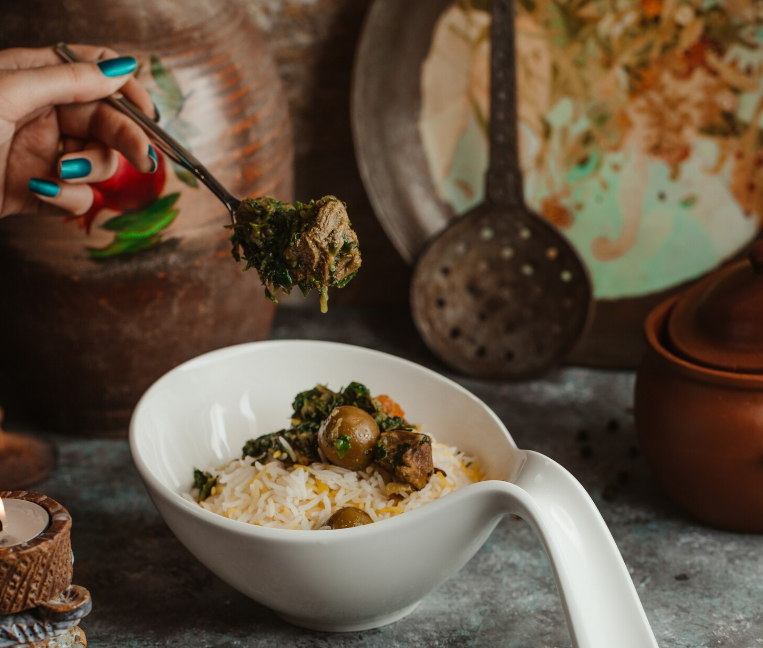
A classic example of a low-calorie option is the chicken tagine with preserved lemons and olives. Traditionally, this dish uses skinless chicken breasts or thighs, which are significantly leaner than lamb or beef. The saltiness of the olives and the bright acidity of the preserved lemon provide a punch of flavor that compensates for reduced fat content. When preparing this at home, reducing the quantity of olives to a garnish level rather than a main ingredient can further lower the sodium and fat count while maintaining the authentic taste profile. The World Health Organization frequently highlights the benefits of such cooking methods that prioritize steaming and braising over frying to reduce chronic disease risks.
Vegetable tagines offer even greater flexibility for calorie control. A mixture of artichokes, peas, and carrots, known as tagine bil kharshouf, is a spring staple that is naturally low in fat and high in fiber. The key to keeping these dishes light lies in the preparation of the broth. Instead of relying on oil to sauté the initial aromatics, one can use a technique called “water sautéing,” where onions and garlic are softened in a small amount of vegetable broth or water. This simple swap can save hundreds of calories per serving. Detailed nutritional breakdowns of various legume and vegetable combinations can be found through resources like the USDA FoodData Central, which confirms the high nutrient-to-calorie ratio of these traditional ingredients.
Spices play a critical role in the low-calorie potential of tagines. Turmeric, ginger, cumin, coriander, and paprika are used liberally. These spices do more than add color; they possess thermogenic properties and anti-inflammatory benefits. Research published by the National Institutes of Health suggests that compounds in spices like curcumin (found in turmeric) and capsaicin (found in peppers) may support metabolic health. In Moroccan cooking, the blend known as ras el hanout varies by merchant but typically includes upwards of twenty different spices, creating a complex flavor layer that makes simple ingredients taste luxurious without adding a single calorie.
Harira and Bissara: Nutrient-Dense Soups
Soup holds a place of honor in Moroccan dining, often served as a starter or even a light main course during the holy month of Ramadan. Harira is the most famous of these, a tomato-based soup thickened with lentils, chickpeas, and vermicelli. While traditional recipes can sometimes be heavy due to the addition of flour paste (tedouira) and oil, the core of the dish is inherently healthy. By modifying the thickening agent—using pureed vegetables instead of flour—and strictly controlling the oil input, Harira transforms into a high-protein, high-fiber meal that promotes satiety. The combination of legumes provides a complete protein profile, essential for muscle maintenance during weight loss.
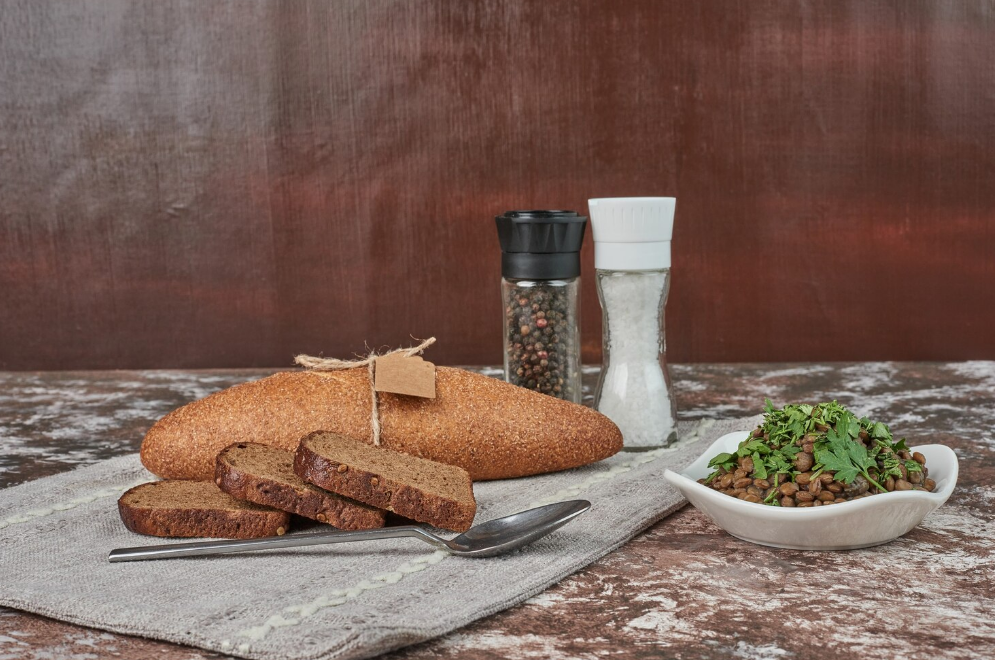
Another staple is Bissara, a thick soup made from dried fava beans or split peas. It is traditionally topped with a generous swirl of olive oil and sprinkled with cumin and paprika. For a low-calorie version, the olive oil topping can be reduced to a teaspoon or substituted with a spray, allowing the earthy flavor of the beans and the aroma of the cumin to take center stage. Fava beans are an excellent source of plant-based protein and fiber, which slows digestion and stabilizes blood sugar levels. The Food and Agriculture Organization emphasizes the role of pulses like fava beans in sustainable and healthy diets, noting their ability to provide fullness with relatively low energy intake.
The versatility of Moroccan soups extends to cold options as well, though they are less common internationally. Takoula, a barley-based soup, offers a hearty texture and a nutty flavor. Barley is rich in beta-glucan, a type of soluble fiber known to help lower cholesterol and improve glycemic control. When these soups are prepared in large batches, they offer a practical solution for meal prepping, ensuring that healthy, traditional options are always available. The emphasis on legumes in these dishes aligns with global dietary guidelines recommending increased plant protein consumption, as noted by the American Heart Association.
Salads and Meze: The First Line of Defense
In a traditional Moroccan meal structure, a variety of cooked and raw salads, known collectively as salades marocaines, are served before the main course. This practice is not just ceremonial; it serves a functional nutritional purpose. Starting a meal with fiber-rich vegetables helps regulate appetite and prevents overeating of the heavier main dishes. Zaalouk, a cooked salad of eggplant and tomatoes, is a prime example. When prepared correctly, the eggplants are roasted or grilled rather than fried, then mashed with garlic, cumin, and paprika. The smoky flavor derived from charring the vegetables eliminates the desire for added fats.
Taktouka, a blend of roasted green peppers and tomatoes, is another zero-oil possibility if the vegetables are roasted in the oven until their skins blister and then peeled. The natural sweetness of the roasted peppers complements the acidity of the tomatoes, creating a vibrant side dish that is incredibly low in calories. Similarly, carottes râpées (grated carrots) dressed with cumin, lemon juice, and a hint of orange blossom water offers a refreshing, crunchy start to the meal. The use of citrus and floral waters instead of creamy dressings is a hallmark of the cuisine’s ability to remain light.
Raw salads also feature prominently. A simple mix of diced cucumbers, tomatoes, onions, and parsley, dressed with lemon juice and salt, provides hydration and essential vitamins. The herb component is crucial; Moroccan cuisine uses massive quantities of fresh parsley and cilantro. These herbs are not just garnishes but integral ingredients that add volume, micronutrients, and fresh flavor. According to the Centers for Disease Control and Prevention, increasing the intake of dark green leafy vegetables and herbs is a proven strategy for improving overall diet quality without increasing caloric load.
Grilled Proteins and Street Food Adaptations
Street food in Morocco is often perceived as unhealthy, yet many options are based on grilling, a method that allows fat to drip away from the food. Merguez sausages, while traditionally high in fat, have leaner variations made with higher ratios of lean beef or lamb and abundant spices. However, for strict calorie control, skewered meats known as brochettes are superior. Cubes of lean lamb or chicken liver (kefta) are marinated in spices and grilled over charcoal. The marinade typically consists of onion juice, parsley, cumin, and paprika, tenderizing the meat and infusing flavor without sugar or oil.
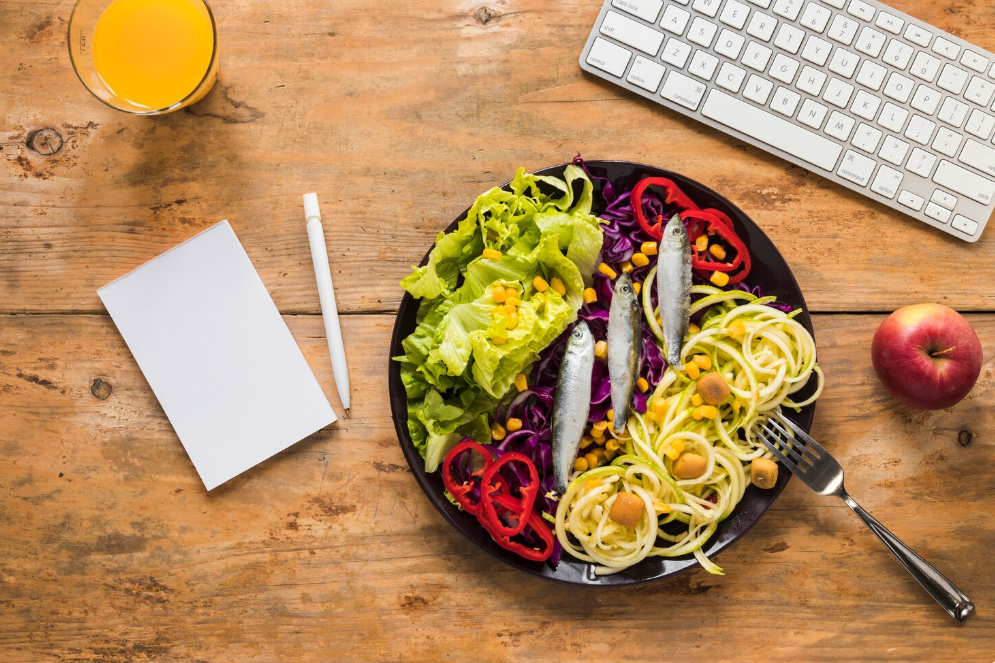
Fish is another cornerstone of coastal Moroccan cuisine, particularly in cities like Essaouira and Agadir. Whole fish such as sardines or sea bream are often grilled simply with a rub of chermoula—a marinade of cilantro, parsley, garlic, lemon, and spices. Sardines are particularly noteworthy; they are rich in omega-3 fatty acids and protein. While they contain fat, it is healthy unsaturated fat. When grilled without additional oil, they constitute a perfect low-calorie, high-nutrient meal. The Mayo Clinic advocates for the regular consumption of fatty fish like sardines as part of a heart-healthy diet, emphasizing their benefits over red meat.
Even the famous kefta (meatballs) can be adapted. Traditional recipes might include breadcrumbs and egg, but a leaner version can be made with 95% lean ground beef or turkey, mixed generously with fresh herbs and spices, then poached in a tomato sauce rather than fried. This poaching method, common in the kefta mkaouara dish, ensures the meat remains moist without the need for external fats. The tomato sauce base, rich in lycopene, adds further health benefits. Adapting street food classics for home cooking allows for control over portion sizes and ingredient quality, turning potential dietary pitfalls into nutritious staples.
Bread, Couscous, and Portion Strategy
No discussion of Moroccan food is complete without addressing carbohydrates. Bread (khobz) and couscous are ubiquitous. For those monitoring calorie intake, the approach should not be elimination but modification and portion control. Traditional Moroccan bread is often made from a mix of white and whole wheat flour. Opting for breads made with 100% whole wheat or barley increases fiber content, which aids in digestion and prolongs satiety. The practice of using bread to scoop food rather than using utensils can actually help with portion control, as the physical act of tearing and scooping slows down the eating pace, allowing the brain time to register fullness.
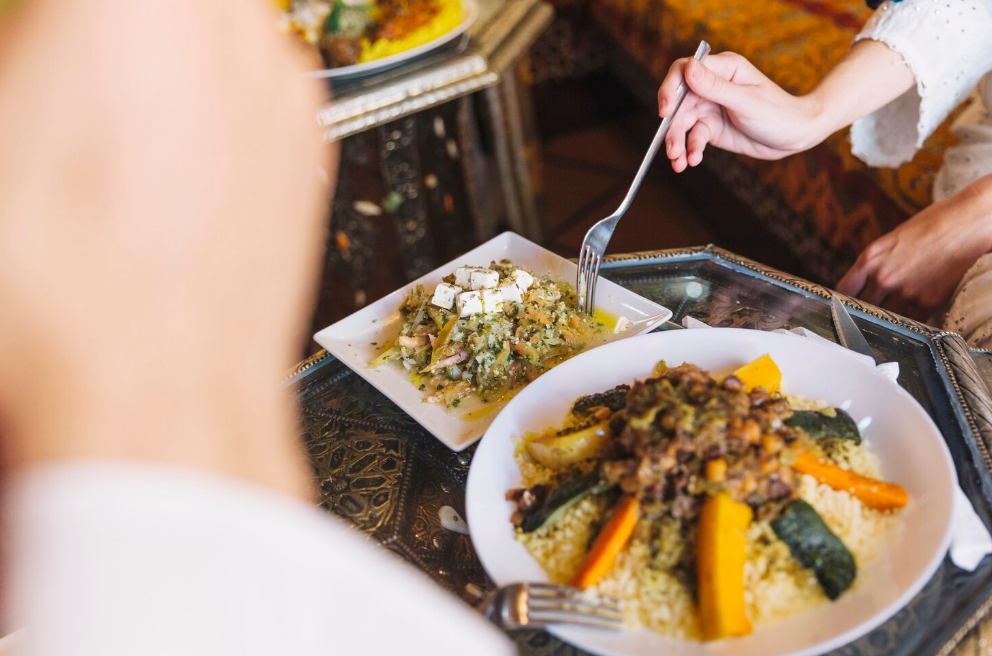
Couscous, made from semolina wheat, is traditionally steamed over a stew. While it is a refined grain, its caloric density is moderate when measured by volume, especially once steamed and expanded. A standard serving size of cooked couscous is roughly one cup, which provides about 175 calories. The mistake often made is treating couscous as the main event rather than a bed for vegetables and protein. In a balanced, low-calorie meal, the ratio should be inverted: a large portion of the vegetable and protein tagine with a smaller, measured portion of couscous. Integrating whole grain alternatives like brown rice or quinoa into the steaming process can also boost the nutritional profile, although this deviates slightly from strict tradition.
Understanding the glycemic impact of these carbohydrates is important. Pairing them with vinegar-based salads, lemon-heavy tagines, and fiber-rich legumes blunts the blood sugar spike. The Harvard T.H. Chan School of Public Health notes that the overall composition of the meal matters more than individual ingredients; a meal high in fiber and protein will mitigate the metabolic impact of moderate carbohydrate portions. Therefore, enjoying a small amount of couscous within a vegetable-heavy spread is entirely compatible with weight management goals.
Comparative Analysis of Traditional Dishes
To visualize the caloric differences between traditional preparations and their optimized low-calorie counterparts, the following table breaks down common dishes. This comparison assumes standard serving sizes and highlights how minor adjustments in cooking methods and ingredient ratios can drastically alter the energy density of a meal.
| Dish Name | Traditional Preparation Features | Low-Calorie Optimization Strategy | Estimated Calories (Traditional) | Estimated Calories (Optimized) |
|---|---|---|---|---|
| Chicken Tagine | Skin-on thighs, generous oil, fried onions, heavy olive oil finish. | Skinless breast, water-sautéed aromatics, reduced oil, extra lemon/zest. | 450 – 550 kcal | 280 – 320 kcal |
| Harira Soup | Thickened with flour paste (tedouira), high oil content, fatty meat chunks. | Thickened with pureed lentils/veg, minimal oil, lean meat or vegetarian. | 300 – 400 kcal | 150 – 200 kcal |
| Zaalouk | Eggplants deep-fried before mashing, heavy olive oil topping. | Eggplants roasted/grilled, minimal oil, increased garlic/tomato ratio. | 220 – 280 kcal | 90 – 120 kcal |
| Couscous Royal | Large portion of couscous, fatty meats (lamb/beef), oily broth. | Small portion of whole-wheat couscous, lean chicken/fish, veg-heavy broth. | 600 – 800 kcal | 350 – 450 kcal |
| Bissara | Generous pool of olive oil on top, served with large bread portions. | Minimal oil drizzle, spice-focused flavor, controlled bread portion. | 350 – 450 kcal | 180 – 220 kcal |
| Kefta Tagine | High-fat ground beef, fried meatballs, oily tomato sauce. | Lean beef/turkey, poached meatballs, water-based tomato sauce. | 400 – 500 kcal | 250 – 300 kcal |
Navigating Beverages and Sweets
The Moroccan tea ceremony is legendary, but traditional mint tea is often loaded with significant amounts of sugar. A single glass can contain upwards of 20 grams of sugar, which quickly accumulates over multiple servings. To maintain a low-calorie lifestyle, the sugar must be addressed. The flavor of Moroccan mint tea comes from the fresh spearmint leaves and the gunpowder green tea base, not the sugar. Gradually reducing the sugar amount allows the palate to adjust, eventually appreciating the natural bitterness of the green tea and the freshness of the mint. Unsweetened mint tea is hydrating and contains antioxidants from the green tea, aligning with recommendations from the American Diabetes Association regarding beverage choices.
Dessert is typically reserved for special occasions in traditional households, contrary to the daily pastry consumption seen in some Western adaptations of the cuisine. When sweets are served, they are often small, intricate cookies like kaab el ghazal (gazelle horns) filled with almond paste. Because these are rich and sweet, portion sizes are naturally small. For everyday eating, fresh fruit is the standard dessert. Oranges sprinkled with cinnamon, dates stuffed with walnuts (in moderation), or melon slices provide natural sweetness and fiber. Dates, while high in sugar, are nutrient-dense and satisfy cravings with just one or two pieces, preventing the consumption of larger, processed sweets.
Practical Implementation and Meal Planning
Integrating low-calorie Moroccan meals into a weekly routine requires strategic planning. The culture of cooking in large batches works in favor of the health-conscious individual. A large pot of vegetable tagine or Harira can last for several days, with flavors often improving after the first day as the spices meld. Freezing portions of lean kefta or pre-chopped taqalia bases can streamline weekday cooking. The key is to have the healthy components ready so that the temptation to resort to processed fast food is minimized.
Shopping for ingredients should focus on the perimeter of the grocery store where fresh produce, lean meats, and legumes are located. Spices should be purchased in bulk from specialty stores or online to ensure potency and cost-effectiveness; stale spices lead to the temptation to add salt or oil to compensate for lack of flavor. Building a pantry stocked with cumin, coriander, turmeric, ginger, paprika, and saffron ensures that any vegetable can be transformed into a Moroccan-inspired meal instantly. The Academy of Nutrition and Dietetics supports the idea that having a well-stocked pantry of flavorful, healthy ingredients is a primary driver of successful home cooking and weight management.
Social dining in Moroccan culture is communal, with dishes placed in the center of the table for sharing. This style of eating encourages variety and moderation. Instead of consuming a large individual portion of a single high-calorie item, diners sample small amounts of many different dishes. Replicating this at home by serving a spread of various low-calorie salads, a lean protein tagine, and a controlled portion of carbohydrates allows for a satisfying dining experience that feels abundant but remains calorically balanced. It shifts the focus from quantity of a single item to the quality and variety of the overall meal.
Frequently Asked Questions
Q: Is couscous suitable for a low-calorie diet?
A: Yes, couscous can be part of a low-calorie diet if portion sizes are controlled. One cup of cooked couscous contains approximately 175 calories. The key is to treat it as a side dish rather than the main component of the meal. Opting for whole wheat couscous increases fiber content, which enhances satiety. Balancing it with large portions of non-starchy vegetables and lean proteins helps manage the overall glycemic load of the meal.
Q: How can I reduce the oil content in tagines without losing flavor?
A: Flavor in tagines comes primarily from the spice blends (ras el hanout, cumin, ginger, turmeric) and aromatics (onions, garlic, preserved lemon), not from oil. You can reduce oil by “water sautéing” the onions and garlic in a small amount of vegetable broth until soft. Additionally, using the natural juices of tomatoes and vegetables creates a rich broth. Finishing the dish with fresh herbs and a squeeze of lemon juice adds brightness that compensates for the reduced fat.
Q: Are Moroccan desserts compatible with weight loss?
A: Traditional Moroccan pastries are high in sugar and fat and should be consumed sparingly, ideally only on special occasions. However, the traditional everyday “dessert” in Morocco is fresh fruit. Oranges with cinnamon, sliced melon, or a single date are excellent low-calorie options that satisfy sweet cravings while providing vitamins and fiber. Unsweetened mint tea is also a great way to end a meal without added calories.
Q: What are the best protein sources for a low-calorie Moroccan diet?
A: The best protein sources include skinless chicken, white fish (like cod or sea bream), sardines, and legumes (lentils, chickpeas, fava beans). Lean cuts of lamb can be used in moderation. Plant-based proteins from legumes are particularly effective as they provide high fiber alongside protein, promoting fullness. Grilling or poaching these proteins rather than frying keeps the calorie count low.
Q: Can I eat bread while following a low-calorie Moroccan meal plan?
A: Yes, but portion control is essential. Traditional Moroccan bread is often used to scoop food, which can naturally slow down eating. Choosing whole wheat or barley bread increases fiber intake. Limiting intake to one or two small pieces per meal and focusing on filling up on the vegetable and protein components of the meal allows for bread enjoyment without exceeding calorie goals.
Q: How do I make Harira soup lower in calories?
A: Traditional Harira is thickened with a flour-and-water paste called tedouira and can be oily. To lower calories, skip the flour paste and instead puree a portion of the cooked lentils and vegetables to thicken the soup naturally. Reduce the amount of oil used to sauté the initial ingredients and increase the volume of tomatoes, celery, and herbs. Using lean meat or making it entirely vegetarian also significantly reduces the caloric density.
Q: What role do spices play in weight management within this cuisine?
A: Moroccan spices like turmeric, ginger, cumin, and cayenne pepper do more than add flavor; they have metabolic benefits. Some studies suggest these spices can slightly increase thermogenesis (calorie burning) and improve insulin sensitivity. More importantly, they allow for highly flavorful meals without the need for salt, sugar, or fat, making it easier to adhere to a healthy eating plan long-term.
Q: Is it possible to find low-calorie options when eating out at a Moroccan restaurant?
A: Yes, but it requires careful selection. Opt for grilled fish or chicken skewers (brochettes) instead of fatty lamb dishes. Request that salads like Zaalouk or Taktouka be prepared with less oil. Choose Harira or Bissara as a starter but ask for the oil topping on the side. Limit the amount of bread and couscous consumed, and fill up on the vegetable components of the tagines. Most restaurants are willing to accommodate requests for less oil if asked politely.
Conclusion
The perception of Moroccan cuisine as inherently heavy or calorically dense is a misconception born from focusing solely on festive banquet dishes while overlooking the daily sustenance of the Maghreb. At its core, this culinary tradition is a masterclass in utilizing vegetables, legumes, lean proteins, and aromatic spices to create meals that are deeply satisfying yet nutritionally sound. By understanding the mechanics of dishes like tagines and soups, and by making conscious adjustments to oil usage, portion sizes, and carbohydrate ratios, it is entirely feasible to enjoy the rich flavors of Morocco while adhering to strict calorie goals.
The path to integrating these meals into a healthy lifestyle does not require abandoning tradition; rather, it involves returning to the roots of the cuisine where simplicity and seasonality reigned supreme. The extensive use of herbs, the reliance on steaming and grilling techniques, and the cultural habit of starting meals with fiber-rich salads all serve as natural supports for weight management. Whether preparing a pot of Harira for the week, grilling sardines with chermoula, or assembling a spread of colorful cooked salads, the options are vast and varied.
Embracing this approach offers more than just calorie control; it introduces a diverse palette of flavors and textures that prevent diet fatigue. The sensory experience of Moroccan food—the scent of roasting cumin, the tartness of preserved lemon, the warmth of ginger—makes healthy eating feel like a celebration rather than a restriction. With the right knowledge and a few strategic modifications, the vibrant world of Moroccan cooking becomes a powerful ally in achieving and maintaining a healthy weight, proving that nourishment and indulgence can coexist on the same plate.