

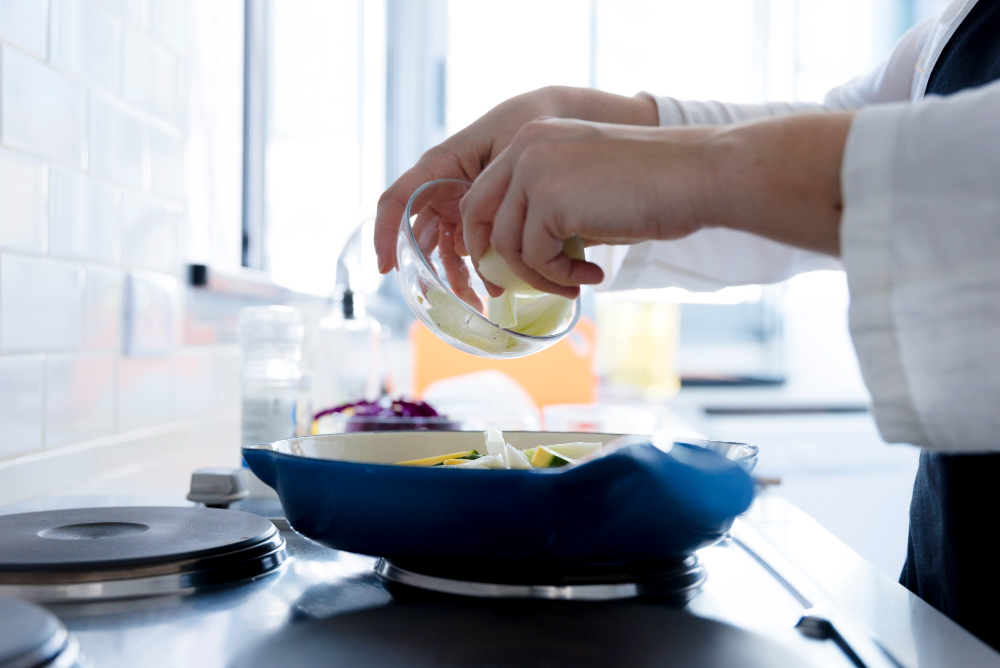
The modern kitchen often faces a paradox: the desire for wholesome, restaurant-quality meals clashes with the reality of limited time and energy. After a demanding workday, the prospect of chopping vegetables on one board, searing protein in a skillet, boiling starch in a pot, and then facing a sink full of soiled cookware can be enough to drive even the most enthusiastic home cook toward takeout menus. However, the solution to this culinary bottleneck is not found in convenience foods laden with preservatives, but in the timeless technique of the one-pan dinner. This method represents a convergence of efficiency and gastronomy, where the vessel itself becomes an instrument of flavor development. By understanding the mechanics of heat transfer, ingredient layering, and timing, cooks can produce meals that are not only quick and easy but also nutritionally balanced and deeply satisfying.
The concept of cooking an entire meal in a single vessel is hardly new; it traces its lineage back to centuries of communal cooking over open fires, where cast iron pots held stews that simmered for hours. Yet, the contemporary iteration of the one-pan dinner has evolved to meet the pace of modern life. It relies on high-heat roasting, rapid sautéing, and the strategic use of residual heat to cook components simultaneously without cross-contamination of textures. The appeal extends beyond mere convenience. From a nutritional standpoint, minimizing the number of cooking vessels can actually help preserve water-soluble vitamins that might otherwise be lost in boiling water, as noted by food science researchers at Penn State Extension. Furthermore, the Maillard reaction—the chemical process that gives browned food its distinctive flavor—is often more pronounced in one-pan methods where ingredients share the same hot surface, creating a complex flavor profile that is difficult to replicate when components are cooked in isolation.
The Science of Heat and Vessel Selection
Success in one-pan cooking begins long before the first ingredient hits the heat; it starts with the selection of the appropriate vessel. Not all pans are created equal, and the material and geometry of the cookware dictate the thermal dynamics of the meal. For recipes requiring high-heat searing followed by oven roasting, heavy-gauge stainless steel or enameled cast iron skillets are paramount. These materials possess high thermal mass, meaning they retain heat effectively and distribute it evenly, preventing hot spots that could burn delicate vegetables while leaving proteins undercooked. The Good Housekeeping Institute frequently emphasizes that a pan with an oven-safe handle is non-negotiable for these recipes, as the transition from stovetop to oven is a critical step in ensuring proteins reach safe internal temperatures while vegetables caramelize.
Conversely, for recipes that rely on rapid stir-frying or gentle simmering, carbon steel or high-quality non-stick surfaces offer distinct advantages. Carbon steel, a favorite in professional kitchens, heats up quickly and responds instantly to temperature adjustments, making it ideal for dishes where timing is measured in seconds. Non-stick coatings, while requiring careful utensil selection to avoid scratching, excel in scenarios where minimal fat is desired or where sticky glazes are involved. The geometry of the pan also plays a crucial role; a pan with low, sloped sides facilitates evaporation and promotes browning, whereas deeper sides with straight walls are better suited for trapping steam and braising. Understanding these nuances allows the cook to manipulate the environment within the pan, controlling whether the food roasts, steams, or sautés.
Temperature control is the invisible hand that guides the one-pan meal. A common pitfall is overcrowding the pan, which leads to steaming rather than searing. When too many ingredients are added at once, the temperature of the pan drops precipitously, and the moisture released by the vegetables cannot evaporate quickly enough. This results in a soggy texture rather than the desired crisp-tender bite. Culinary experts at Serious Eats often demonstrate that spacing ingredients to ensure contact with the hot surface is essential for developing depth of flavor. In a one-pan context, this often means cooking in batches or utilizing the “zone cooking” method, where different areas of the pan are maintained at different temperatures to accommodate various ingredients simultaneously.
Strategic Ingredient Layering and Timing
The architecture of a one-pan dinner relies heavily on the principle of sequential addition. Unlike traditional cooking where components are prepared separately and combined at the end, one-pan meals require a precise choreography of ingredients based on their respective cooking times. Root vegetables such as carrots, potatoes, and parsnips possess dense cellular structures that require prolonged exposure to heat to break down and become tender. Consequently, these items must always be the first to enter the pan. Proteins vary widely in their requirements; a chicken thigh may need twenty minutes to reach safety standards, while a salmon fillet or shrimp requires only a few minutes to avoid becoming tough and dry. Leafy greens and delicate herbs are almost exclusively finishers, added in the final moments to wilt slightly without losing their vibrant color or nutrient density.
The interaction between ingredients also influences flavor development. As proteins cook, they release juices and fats that render into the pan. These rendered fats become the cooking medium for the vegetables, infusing them with savory notes that oil alone cannot provide. This symbiotic relationship is a hallmark of efficient cooking. For instance, when cooking sausage alongside bell peppers and onions, the spiced fat from the sausage coats the vegetables, creating a unified flavor profile. The USDA Food Safety and Inspection Service provides critical guidelines on ensuring that when cooking mixed ingredients, the protein reaches the necessary internal temperature to eliminate pathogens, which sometimes necessitates covering the pan to trap heat and ensure thorough cooking without burning the exterior of faster-cooking items.
Moisture management is another critical variable. Some one-pan recipes rely on the natural moisture of the ingredients to create a sauce, while others require the addition of stock, wine, or tomatoes. The ratio of liquid to solid ingredients determines whether the final dish is a roast, a braise, or a stew. Adding liquid too early can prevent browning, while adding it too late can result in scorching. A practical approach involves deglazing the pan after searing the protein. This process, which involves pouring a liquid into the hot pan to dissolve the caramelized bits stuck to the bottom (known as fond), not only cleans the pan but also incorporates intense flavor into the sauce. Resources from America’s Test Kitchen highlight that the choice of deglazing liquid—be it acid like vinegar or wine, or richness like broth—can fundamentally alter the character of the dish, offering a wide spectrum of flavor possibilities from a single technique.
Nutritional Balance in Simplified Cooking
A frequent misconception regarding quick meals is that they lack nutritional integrity. However, the one-pan method is uniquely positioned to deliver balanced macronutrients and micronutrients when planned correctly. The key lies in the visual and structural composition of the pan. A well-designed one-pan meal adheres to the “plate method” advocated by nutritionists, where half the volume consists of non-starchy vegetables, a quarter is lean protein, and a quarter is complex carbohydrates. By cooking these elements together, the meal naturally encourages portion control and variety. The retention of nutrients is often superior in one-pan cooking compared to boiling, where vitamins leach into the water and are discarded. Roasting or sautéing preserves fat-soluble vitamins like A, D, E, and K, while the shorter cooking times associated with high-heat methods help maintain the integrity of heat-sensitive vitamins like C and B-complex.
Protein selection plays a pivotal role in the health profile of the meal. Lean cuts of poultry, fatty fish rich in omega-3 fatty acids, and plant-based proteins like tofu or tempeh are excellent candidates. The cooking method enhances the bioavailability of certain nutrients; for example, the healthy fats in olive oil used for sautéing can increase the absorption of antioxidants from vegetables like spinach and kale. The Harvard T.H. Chan School of Public Health emphasizes the importance of including a variety of colored vegetables to ensure a broad spectrum of phytonutrients. In a one-pan setting, this is easily achieved by incorporating a rainbow of produce—red peppers, orange carrots, green broccoli, and purple cabbage—which not only boosts nutritional value but also makes the dish visually appealing, a factor known to influence satiety and enjoyment.
Carbohydrate integration requires thoughtful execution to avoid mushiness. Starches like potatoes, sweet potatoes, or winter squash hold up well to roasting, developing a crispy exterior and fluffy interior. Grains such as quinoa, farro, or rice can be cooked directly in the pan if sufficient liquid is added, effectively turning the skillet into a risotto-style vessel. Pasta can also be cooked in one pan by adding it directly to the sauce with extra water, a technique that allows the starch released by the pasta to thicken the sauce naturally. This method reduces the need for additional fats and creates a cohesive texture. The Whole Grains Council notes that whole grains retain more fiber and nutrients than refined versions, making them a robust choice for sustaining energy levels throughout the evening.
Global Flavors in a Single Skillet
The versatility of the one-pan dinner extends across global cuisines, proving that simplicity does not equate to a lack of sophistication. By manipulating the spice profile and aromatic base, a single cooking method can yield dishes ranging from the Mediterranean to the Far East. A Mediterranean-inspired skillet might begin with olive oil, garlic, and oregano, featuring chicken thighs, chickpeas, cherry tomatoes, and spinach, finished with a squeeze of lemon and feta cheese. This combination leverages the region’s emphasis on fresh produce and healthy fats. In contrast, an Asian-inspired stir-fry utilizes sesame oil, ginger, and soy sauce as a base, rapidly cooking strips of beef or tofu with snap peas, bok choy, and mushrooms, garnished with scallions and sesame seeds. The high heat required for these dishes mimics the wok hei, or “breath of the wok,” imparting a smoky depth that defines the cuisine.
Latin American flavors offer another dimension, often relying on cumin, chili powder, and cilantro. A fajita skillet, for example, combines sliced steak or shrimp with bell peppers and onions, served with warm tortillas and avocado. The spices bloom in the hot fat, releasing essential oils that permeate the entire dish. Similarly, Indian-inspired one-pan meals can utilize curry pastes or garam masala to transform simple ingredients like cauliflower, potatoes, and lentils into a rich, aromatic curry. The key to authentic flavor in these quick meals is the use of whole spices toasted briefly before adding liquids, or high-quality pastes that concentrate the essence of the cuisine. The Smithsonian Institution has documented how the exchange of spices and ingredients across cultures has shaped modern cooking, and the one-pan meal is a testament to this fusion, allowing home cooks to access global flavor profiles with minimal effort.
Herbs and finishing touches are the final layer of complexity. Fresh herbs added at the end of cooking provide a burst of aroma and color that dried spices cannot replicate. Acidic elements like lemon juice, lime zest, or vinegar brighten the dish, cutting through the richness of fats and balancing the flavors. Crunchy toppings such as toasted nuts, seeds, or breadcrumbs add textural contrast, preventing the meal from feeling monotonous. These small adjustments elevate the dish from a simple mixture of ingredients to a curated culinary experience. The ability to adapt these flavor profiles to seasonal availability further enhances the sustainability of the one-pan approach, encouraging the use of local produce at its peak freshness.
Comparative Analysis of One-Pan Methods
To fully grasp the utility of one-pan cooking, it is helpful to compare the primary techniques available to the home cook. Each method offers distinct advantages depending on the desired outcome, the type of ingredients used, and the time available. The following table outlines the key differences between sheet pan roasting, skillet sautéing, and braising, providing a quick reference for selecting the appropriate strategy.
| Feature | Sheet Pan Roasting | Skillet Sauté / Stir-Fry | One-Pot Braising / Simmering |
|---|---|---|---|
| Primary Heat Source | Dry, ambient oven heat (convection/conduction) | Direct conductive heat from stovetop | Combination of stovetop searing and moist oven/stovetop heat |
| Best For | Root vegetables, large cuts of meat, batch cooking | Thinly sliced proteins, delicate veggies, quick meals | Tougher cuts of meat, legumes, grains, soups/stews |
| Texture Profile | Caramelized exterior, tender interior; crispy edges | Crisp-tender, seared, high textural contrast | Soft, fall-apart tenderness; cohesive sauces |
| Cooking Time | Moderate to Long (20–45 mins) | Very Short (5–15 mins) | Long (45 mins – 2+ hours) |
| Flavor Development | Deep roasting flavors, concentrated sweetness | Maillard reaction, fresh aromatic notes | Deeply integrated flavors, rich broths |
| Active Monitoring | Low (set and forget) | High (constant movement required) | Moderate (occasional stirring) |
| Cleanup Level | Minimal (lined with parchment/foil) | Minimal (single pan) | Minimal (single pot/pan) |
| Ideal Ingredients | Potatoes, carrots, chicken thighs, salmon fillets | Shrimp, beef strips, zucchini, peppers, snow peas | Chuck roast, pork shoulder, beans, lentils, rice |
This comparison illustrates that “one-pan” is not a monolithic technique but a category encompassing various thermal processes. Sheet pan roasting is unparalleled for hands-off cooking and achieving uniform browning on large quantities of food, making it ideal for meal preparation. Skillet sautéing offers speed and textural precision, perfect for weeknight dinners where time is the primary constraint. Braising transforms inexpensive, tougher ingredients into luxurious meals through slow cooking, demonstrating that one-pan methods can also be about patience and depth rather than just speed. Understanding these distinctions empowers the cook to choose the right tool for the specific ingredients at hand, ensuring optimal results every time.
Troubleshooting Common Challenges
Even with the best intentions, one-pan meals can encounter obstacles. The most frequent issue is uneven cooking, where some components are burnt while others remain raw. This usually stems from inconsistent cut sizes. To mitigate this, vegetables and proteins should be cut into uniform pieces to ensure they cook at the same rate. If a recipe calls for ingredients with vastly different cooking times, the sequential addition method must be strictly followed. Another common problem is a lack of browning, often caused by excess moisture. Patting proteins and washed vegetables completely dry before they enter the pan is a critical step that should never be skipped. Additionally, ensuring the pan is fully preheated before adding food helps initiate the searing process immediately.
Sogginess is the enemy of a great one-pan dinner. This can occur if the pan is overcrowded or if too much liquid is added too early. If a recipe requires liquid, it should be added only after the ingredients have had a chance to brown sufficiently. Using a pan with adequate surface area relative to the volume of food is also essential; if the pan is too small, the ingredients will steam in their own juices rather than roast. Conversely, if the food is sticking to the pan, it may indicate that the pan was not hot enough or that insufficient fat was used. Allowing proteins to develop a crust before attempting to flip them ensures they release naturally from the surface. For those using non-stick pans, avoiding metal utensils preserves the coating and maintains the pan’s efficacy over time.
Flavor balance can sometimes be elusive in quick meals. If a dish tastes flat, it often lacks salt or acid. Seasoning should be applied in layers: salt the protein before cooking, season the vegetables as they cook, and adjust the final dish with salt, pepper, and an acidic component like citrus or vinegar. Taste testing throughout the cooking process is vital, though care must be taken to use clean utensils to avoid cross-contamination. If a dish is too spicy, adding a dairy element like yogurt or cream, or a sweet element like honey, can help neutralize the heat. Conversely, if a dish is too rich, a splash of acid or the addition of fresh herbs can cut through the fat and refresh the palate.
Maximizing Efficiency and Sustainability
Beyond the immediate benefits of a quick dinner, the one-pan approach contributes to broader household efficiency and sustainability. The reduction in water usage for washing multiple pots and pans is significant over time, aligning with eco-friendly kitchen practices. Furthermore, the energy consumption of heating a single oven or burner is lower than managing multiple heat sources. This method also encourages the use of leftovers and scraps; vegetable trimmings can be roasted alongside the main ingredients, and leftover grains can be tossed into a skillet for a rapid fried rice or grain bowl. This minimizes food waste, a critical consideration in modern sustainable living.
Meal preparation is another area where one-pan cooking excels. Components can be chopped and portioned in advance, stored in containers, and then quickly assembled and cooked when needed. This “dump-and-go” capability reduces the cognitive load of deciding what to cook after a long day. For families, this method simplifies serving, as the pan can often be brought directly to the table, fostering a communal dining experience. The visual appeal of a colorful, steaming skillet serves as an invitation to eat, reducing the friction often associated with getting everyone to the table. Moreover, the versatility of the method means that dietary restrictions are easily accommodated; gluten-free, dairy-free, or vegan variations can be created by simply swapping out specific ingredients without altering the fundamental technique.
The economic impact of one-pan dinners is also noteworthy. By focusing on whole ingredients and minimizing the need for processed convenience foods, households can reduce their grocery bills. Bulk buying of staples like rice, beans, and seasonal vegetables becomes more feasible when there is a reliable, easy method to prepare them. The durability of the required cookware, particularly cast iron or stainless steel, represents a one-time investment that pays dividends over decades, unlike disposable cookware or single-use appliances. This long-term value proposition aligns with a mindful approach to consumption, prioritizing quality and utility over novelty.
Conclusion
The one-pan dinner is far more than a shortcut for the busy; it is a sophisticated culinary strategy that harmonizes efficiency with flavor. By mastering the selection of cookware, understanding the thermal properties of ingredients, and applying the principles of sequential layering, cooks can produce meals that rival those of professional kitchens in both taste and presentation. The method’s adaptability across global cuisines ensures that monotony never sets in, while its nutritional benefits support a healthy lifestyle without sacrificing satisfaction. From the scientific precision of the Maillard reaction to the practical advantages of reduced cleanup, the one-pan approach embodies the best of modern cooking.
As the culinary landscape continues to evolve, the demand for meals that are both quick and wholesome will only grow. The one-pan dinner stands ready to meet this demand, offering a sustainable, economical, and delicious solution to the daily question of “what’s for dinner?” Whether roasting a tray of root vegetables and chicken, stir-frying a colorful medley of Asian vegetables, or simmering a hearty stew, the potential for creativity within a single vessel is limitless. Embracing this method invites a return to the fundamentals of cooking, where simplicity is not a compromise but a pathway to excellence. With a well-stocked pantry, a reliable pan, and a grasp of these core techniques, the art of the one-pan dinner becomes an accessible and rewarding part of everyday life.
Frequently Asked Questions
Q: Can I use any type of pan for one-pan dinners?
A: While many pans can be used, the best results come from oven-safe skillets made of cast iron, stainless steel, or carbon steel. These materials withstand high heat and distribute it evenly. Non-stick pans are suitable for lower-heat sautéing but should be checked for oven-safe temperature limits if finishing in the oven. Avoid pans with plastic handles unless they are explicitly rated for high-heat oven use.
Q: How do I prevent vegetables from becoming mushy?
A: Mushy vegetables are often the result of overcrowding or excessive moisture. Ensure vegetables are cut into uniform sizes and spaced out in the pan to allow for proper air circulation and evaporation. Pat all ingredients dry before cooking, and avoid adding liquid until the vegetables have already developed some color and texture.
Q: Is it safe to cook raw meat and vegetables in the same pan?
A: Yes, it is safe provided that the meat reaches the recommended internal temperature to kill bacteria. The USDA recommends cooking poultry to 165°F (74°C) and ground meats to 160°F (71°C). Ensuring the pan is hot enough and cooking for the requisite time will sanitize the surface and the juices, making the accompanying vegetables safe to eat.
Q: Can I make one-pan meals ahead of time?
A: Many one-pan meals reheat well, although textures may change slightly. Dishes with crispy elements are best eaten fresh, while braises and stews often taste better the next day as flavors meld. Store leftovers in airtight containers in the refrigerator for up to four days. Reheat gently to avoid overcooking the protein.
Q: How do I clean a pan with stuck-on food after a one-pan meal?
A: If food is stuck, fill the pan with warm water and a little dish soap, then let it soak for 15–20 minutes. For cast iron, avoid soaking; instead, use coarse salt and a little oil to scrub away residue. Deglazing the pan with liquid while it is still warm can also loosen fond, making cleanup significantly easier.
Q: What are the best proteins for quick one-pan cooking?
A: Proteins that cook quickly or benefit from high heat are ideal. Chicken thighs, shrimp, salmon fillets, ground beef, and pork chops are excellent choices. Tougher cuts like chuck roast require longer braising times and are better suited for one-pot stews rather than quick skillets.
Q: Can I use frozen vegetables in one-pan recipes?
A: Frozen vegetables can be used, but they release more water than fresh ones, which can lead to steaming instead of roasting. If using frozen vegetables, increase the cooking time slightly to allow for evaporation, or thaw and pat them dry beforehand for better browning results.
Q: How do I adjust one-pan recipes for dietary restrictions?
A: One-pan cooking is highly adaptable. For gluten-free diets, ensure sauces and stocks are certified gluten-free. For dairy-free needs, substitute butter with olive oil and omit cheese toppings or use nut-based alternatives. Vegan versions can replace animal proteins with tofu, tempeh, or legumes, adjusting cooking times as necessary.
Q: Why does my food stick to the stainless steel pan?
A: Food sticks to stainless steel primarily because the pan is not hot enough or the food is moved too soon. Preheat the pan until a drop of water dances across the surface (the Leidenfrost effect), then add oil and let it heat up before adding food. Allow proteins to sear undisturbed until they release naturally.
Q: Is one-pan cooking suitable for large families?
A: Yes, but it may require using a larger vessel, such as a rimmed baking sheet for roasting or a large Dutch oven for braising. Cooking in batches may be necessary if the pan cannot accommodate the volume of food without overcrowding, which would compromise the texture and browning of the meal.