

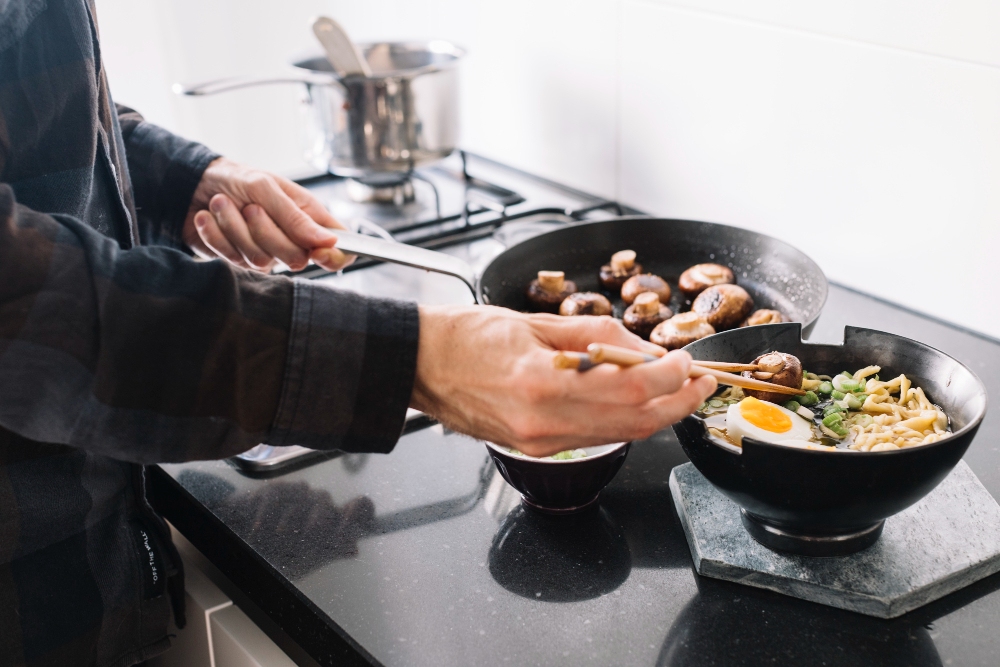
The allure of Chinese cuisine lies in its incredible diversity, balancing sweet, sour, salty, bitter, and umami flavors with textural contrasts that range from silky smooth to delightfully crisp. For many home cooks, the idea of recreating these dishes seems daunting, often associated with complex techniques, obscure ingredients, or the need for a professional-grade kitchen. However, the reality is that some of the most beloved dishes in Chinese culinary history are rooted in simplicity and efficiency. By understanding a few foundational principles and mastering a handful of versatile techniques, anyone can transform their home kitchen into a venue for authentic, high-quality Chinese meals. This guide breaks down the essentials, offering a clear path for beginners to navigate the vibrant world of Chinese cooking with confidence and precision.
The Philosophy of Simplicity in Chinese Cooking
At the heart of Chinese home cooking is the concept of fan cai, the balance between grain (rice) and dishes (vegetables, meat, or fish). Unlike Western meals where the protein often takes center stage on a large plate, a traditional Chinese meal is a communal experience where multiple smaller dishes are shared alongside a staple grain. This structure inherently supports beginner cooks because it encourages preparing several simple components rather than one monolithic, complicated entrée. The focus shifts from elaborate presentation to the harmony of flavors and the freshness of ingredients.
One of the most critical aspects of successful Chinese cooking is mise en place, or having everything prepared before the heat is turned on. In many regional styles, particularly Cantonese and Sichuan cooking, the actual cooking time over high heat is incredibly short. Ingredients are chopped, sauces are mixed, and aromatics are measured out beforehand. This preparation style ensures that when the wok or pan hits the heat, the cook can focus entirely on timing and temperature control without the distraction of chopping garlic or measuring soy sauce while food burns. Resources from culinary institutes like The Institute of Culinary Education emphasize that this organizational step is the single biggest factor in replicating restaurant-quality results at home. Without this prep, the high-heat methods that define the cuisine become unmanageable for novices.
Furthermore, the flavor profile of Chinese food relies heavily on a “holy trinity” of aromatics: ginger, garlic, and scallions. These three ingredients form the base of countless stir-fries, soups, and braises. Understanding how to treat them—slicing ginger against the grain to minimize fibrousness, smashing garlic cloves to release oils, and separating scallion whites from greens for different cooking stages—is fundamental. Authoritative guides on Asian gastronomy, such as those found on Serious Eats, often highlight that the proper treatment of these aromatics can elevate a dish from mediocre to exceptional. For a beginner, mastering the knife work on these three items provides an immediate return on investment in terms of flavor depth.
Essential Equipment: Beyond the Wok
While the wok is the iconic symbol of Chinese cooking, it is not strictly necessary for every beginner. A wok’s rounded bottom and high sides are designed for rapid heat distribution and tossing ingredients, which is ideal for stir-frying. However, for those using standard electric or glass-top stoves, a large carbon steel skillet or a heavy-bottomed stainless steel pan can achieve similar results. The key requirement is the ability to retain and transfer high heat quickly. Carbon steel, in particular, is favored by professionals for its responsiveness and durability. Detailed equipment reviews from America’s Test Kitchen suggest that a 12-inch carbon steel skillet is often more practical for home cooks than a traditional round-bottomed wok, as it sits flat on the burner and offers ample surface area for searing.
For those who do choose to invest in a wok, seasoning it properly is a non-negotiable first step. Seasoning creates a natural non-stick patina that improves with use and prevents rust. The process involves heating the metal until it changes color and coating it with a thin layer of oil. This initial step builds the foundation for the wok hei, or “breath of the wok,” that elusive smoky flavor prized in stir-fries. While achieving true wok hei usually requires the intense BTU output of commercial burners, a well-seasoned wok used on a high home burner setting can still impart a distinct, appetizing char. Educational resources from The Wok Shop provide extensive tutorials on selecting the right thickness of steel and maintaining the seasoning over time, ensuring the tool lasts a lifetime.
Beyond the primary cooking vessel, a few other tools streamline the process. A sturdy cleaver is surprisingly versatile; despite its intimidating appearance, its weight assists in chopping through bones and crushing garlic, while its broad side can scoop up prepped ingredients. Bamboo steamers are essential for dumplings and buns, allowing moisture to circulate without making the dough soggy. Finally, a set of long chopsticks or a wok spatula with a wooden handle protects hands from the intense heat radiating from the pan. Having the right tools reduces friction in the cooking process, allowing the cook to focus on technique rather than struggling with inadequate equipment.
The Pantry Staples: Building a Flavor Foundation
A well-stocked pantry is the secret weapon of efficient Chinese cooking. Rather than buying a new bottle of sauce for every recipe, a core selection of condiments can be mixed and matched to create dozens of distinct flavor profiles. The absolute baseline includes light soy sauce, dark soy sauce, Shaoxing wine, Chinkiang vinegar, sesame oil, and oyster sauce. Each serves a specific chemical and flavor function. Light soy sauce provides saltiness and umami without darkening the dish too much, while dark soy sauce adds a rich color and a hint of molasses-like sweetness. Confusion between the two is a common pitfall; substituting one for the other can drastically alter the final appearance and taste of a dish. Comprehensive guides on ingredients from Bon Appétit offer deep dives into the fermentation processes that distinguish these sauces, helping cooks understand why both are necessary.
Shaoxing wine, a fermented rice wine, is used to remove gamey odors from meats and add a subtle complexity to sauces. It acts similarly to dry sherry or white wine in Western cooking but possesses a unique nutty depth. For those avoiding alcohol, a mixture of chicken broth and a drop of rice vinegar can serve as a substitute, though the flavor profile will shift slightly. Chinkiang vinegar, made from black rice, offers a malty, slightly smoky acidity that is crucial for dishes like hot and sour soup or dumpling dipping sauces. It is distinct from rice vinegar, which is sharper and cleaner. Understanding these nuances prevents the “flat” taste that often plagues homemade versions of restaurant favorites.
Oyster sauce and sesame oil act as finishers and flavor enhancers. Oyster sauce, thick and savory, brings a glutamate-rich punch to vegetable stir-fries and marinades. Sesame oil, with its potent nutty aroma, is almost always added at the very end of cooking or used in cold dressings, as high heat can destroy its delicate flavor compounds. Cornstarch is another indispensable item, used primarily for “velveting” meats and thickening sauces. The technique of velveting involves coating protein in a mixture of cornstarch, egg white, and wine before blanching or frying, resulting in the tender, silky texture characteristic of dishes like Kung Pao Chicken. Detailed explanations of these chemical interactions can be found in food science resources like Food52, which break down how starches gelatinize to protect proteins from toughening.
Technique Spotlight: The Art of Stir-Frying
Stir-frying is perhaps the most recognizable Chinese cooking method, yet it is frequently misunderstood. The term implies constant motion, but the technique is actually a sequence of controlled steps: heating the oil, searing the protein, removing it, cooking the aromatics, adding vegetables, and recombining everything with sauce. The most common mistake beginners make is overcrowding the pan. When too much food is added at once, the temperature of the pan drops precipitously, causing ingredients to steam in their own juices rather than sear. This results in soggy, pale vegetables and tough meat. To avoid this, cooking in small batches is essential. This approach ensures that every piece of food maintains contact with the hot surface, facilitating the Maillard reaction that creates complex, savory flavors.
Temperature control is paramount. The oil should be shimmering but not smoking excessively before ingredients are added. Once the food hits the pan, the heat should remain high to encourage rapid evaporation of surface moisture. The motion of the spatula or wok chuan (tossing technique) is designed to move food away from the hottest part of the pan momentarily to prevent burning while ensuring even cooking. For home cooks without a gas flame that wraps around the wok, tilting the pan to pool oil and heat at one side can simulate this effect. Instructional videos and articles from Chef’s Pencil often demonstrate how to adapt these professional movements for residential stovetops, emphasizing that rhythm and timing matter more than acrobatic tossing.
Another critical element of stir-frying is the order of operations. Dense vegetables like carrots and broccoli require longer cooking times than leafy greens or bean sprouts. Consequently, they are often blanched briefly in boiling water before hitting the wok, or added to the pan first with a splash of water to steam them slightly before searing. Proteins are almost always cooked separately and returned to the pan at the end to prevent overcooking. This modular approach allows each component to reach its perfect doneness before being united by the sauce. Mastery of this sequencing turns a chaotic scramble into a synchronized culinary performance.
Velveting: The Secret to Tender Protein
One of the most significant differences between home-cooked Chinese food and restaurant versions is the texture of the meat. Restaurant chicken, beef, and pork are invariably tender, juicy, and silky, whereas home attempts often yield dry, stringy results. The secret lies in a technique called velveting. This process involves marinating sliced meat in a mixture of cornstarch, liquid (water, stock, or Shaoxing wine), and sometimes egg white or baking soda. The cornstarch forms a protective barrier around the muscle fibers, sealing in moisture during the cooking process. Additionally, the alkaline nature of baking soda (when used in small amounts) helps to break down protein structures, further tenderizing the meat.
There are two primary methods for executing velveted meat: oil blanching and water blanching. Oil blanching involves submerging the marinated meat in warm oil (around 250°F to 300°F) for a minute or two until it just turns opaque, then removing it before stir-frying with vegetables. While this yields the most authentic texture, it can be intimidating for beginners due to the volume of oil required. Water blanching is a healthier and more accessible alternative. The marinated meat is slipped into simmering water or broth for a brief period until it firms up, then drained and added to the stir-fry. Both methods ensure that the meat remains succulent even after being tossed in a hot wok with sauces. Culinary schools often teach this technique early on, noting its transformative effect on lean cuts of meat that would otherwise become tough under high heat. Further reading on protein chemistry and tenderizing methods is available through Culinary Institute of America publications.
Five Beginner-Friendly Recipes to Master
1. Classic Egg Fried Rice
Fried rice is the ultimate test of resourcefulness, traditionally made with day-old rice. Freshly cooked rice contains too much moisture, leading to a mushy texture. Day-old rice has dried out slightly in the refrigerator, allowing the grains to separate easily and fry up crisp. The process begins by scrambling eggs in hot oil, removing them, and then frying the rice with diced onions, peas, and carrots. The key is to press the rice into the pan to let it sear before flipping, creating tiny crispy bits. Seasoning with light soy sauce, a dash of white pepper, and a drizzle of sesame oil finishes the dish. This recipe demonstrates the importance of ingredient temperature and moisture control.
2. Garlic Broccoli with Oyster Sauce
This dish highlights the simplicity of vegetable preparation. Broccoli florets are blanched briefly to brighten their color and soften their stems, then shock-plunged into ice water to stop the cooking process. In a hot pan, minced garlic is sautéed until fragrant but not browned. The broccoli is tossed in, followed by a sauce made from oyster sauce, soy sauce, sugar, and a cornstarch slurry. The sauce clings to the florets, creating a glossy coating. This recipe teaches the technique of blanching and the balance of savory and sweet flavors inherent in Cantonese vegetable dishes.
3. Kung Pao Chicken
A Sichuan classic that balances spicy, sour, sweet, and numbing flavors. Diced chicken is velveted first, ensuring tenderness. Dried red chilies and Sichuan peppercorns are toasted in oil to release their heat and citrusy aroma. The chicken is stir-fried with peanuts, scallions, and a sauce composed of soy sauce, vinegar, sugar, and cornstarch. The result is a complex flavor profile that dances on the palate. This dish introduces beginners to the unique sensation of mala (numbing spice) and the importance of toasting spices to unlock their potential.
4. Mapo Tofu (Simplified)
Often perceived as difficult, Mapo Tofu is straightforward when broken down. Soft tofu is cubed and gently slid into a simmering sauce made from doubanjiang (fermented broad bean paste), ground pork, garlic, ginger, and chili flakes. The sauce is thickened with cornstarch to coat the slippery tofu cubes. Finished with ground Sichuan peppercorns and scallions, it is a comforting, spicy dish that pairs perfectly with steamed rice. This recipe focuses on handling delicate ingredients without breaking them and utilizing fermented pastes for deep umami.
5. Beef and Broccoli
A takeout favorite that is easily replicated at home. Flank steak is sliced against the grain and velveted. Broccoli is stir-fried until tender-crisp. The sauce is a robust blend of soy sauce, oyster sauce, ginger, garlic, and brown sugar. The beef is seared quickly to maintain its pink interior, then combined with the broccoli and sauce. The dish illustrates the necessity of slicing meat against the grain to shorten muscle fibers and improve chewability.
Comparison of Cooking Methods
| Method | Heat Level | Primary Goal | Best For | Key Challenge |
|---|---|---|---|---|
| Stir-Fry | Very High | Rapid cooking, searing, retaining crunch | Thinly sliced meats, chopped veggies | Managing heat and avoiding overcrowding |
| Steaming | Medium-High | Gentle cooking, preserving moisture and nutrients | Fish, dumplings, buns, delicate veggies | Maintaining consistent water level and steam flow |
| Red Braising | Low to Medium | Slow cooking, infusing flavor, tenderizing | Tough cuts of meat, eggs, tofu | Patience and balancing soy/sugar ratios |
| Velveting | Low (Oil/Water) | Pre-cooking to seal moisture | Chicken, beef, pork slices | Controlling temperature to prevent curdling or overcooking |
| Pan-Frying | Medium-High | Creating a crispy crust | Dumplings, whole fish, tofu cakes | Preventing sticking and ensuring even browning |
This table outlines the distinct objectives and challenges of various Chinese cooking techniques. Understanding which method suits specific ingredients allows for better menu planning and execution. For instance, tough cuts of meat benefit from the slow breakdown of fibers in red braising, while delicate seafood shines when steamed.
Navigating Common Pitfalls
Even with the best intentions, beginners often encounter recurring issues. One frequent problem is the lack of flavor depth, often described as the food tasting “bland” despite the addition of soy sauce. This usually stems from insufficient seasoning of the meat during the marination phase or failing to use enough aromatics. Salt and umami need to penetrate the protein before cooking, not just sit on the surface in the sauce. Another issue is soggy stir-fries, which, as mentioned, results from overcrowding the pan or adding sauce too early. Sauce should only be added at the very end to glaze the ingredients; adding it prematurely lowers the pan temperature and boils the food.
Substitution errors also plague novice cooks. Using regular vinegar instead of Chinkiang vinegar, or omitting Shaoxing wine entirely, changes the chemical balance of the dish. While substitutions are sometimes necessary, understanding the role of each ingredient helps in finding appropriate alternatives. For example, if Shaoxing wine is unavailable, dry sherry is a closer match than sake or white wine due to its oxidative profile. Additionally, ignoring the quality of ingredients can hinder results. Fresh ginger and garlic provide a brightness that powdered versions cannot replicate. Prioritizing fresh produce and high-quality condiments is a non-negotiable aspect of authentic cooking.
The Role of Regional Diversity
China is a vast country with distinct culinary regions, each offering unique flavor profiles and techniques. Cantonese cuisine, originating from Guangdong province, emphasizes freshness and natural flavors, often using steaming and quick stir-frying with light sauces. Sichuan cuisine, from the southwest, is famous for its bold use of chili peppers and Sichuan peppercorns, creating the signature mala sensation. Shanghainese food tends to be sweeter and features more braised dishes with dark soy sauce. Hunan cuisine is known for its pure heat and use of fresh chilies. For a beginner, exploring these regional differences expands the repertoire beyond generic “Chinese food.” It encourages experimentation with different spice levels, textures, and ingredient combinations. Resources like Saveur provide excellent regional breakdowns, helping cooks understand the geographical context behind the flavors they are recreating.
Understanding regional nuances also aids in menu planning. A balanced meal might include a spicy Sichuan dish paired with a mild Cantonese vegetable and a neutral steamed rice, creating a harmonious dining experience. This approach mirrors the traditional Chinese philosophy of balance, not just in flavors, but in temperature and texture as well. By appreciating these distinctions, home cooks can move beyond following rigid recipes to understanding the logic behind flavor pairings, eventually allowing them to improvise with confidence.
Frequently Asked Questions
Q: Can I use regular soy sauce instead of light and dark soy sauce?
A: While regular soy sauce can work in a pinch, it is typically a blend that does not perfectly replicate the specific functions of light or dark soy sauce. Light soy sauce is thinner and saltier, used for seasoning without darkening the dish. Dark soy sauce is thicker, less salty, and adds a rich caramel color. Using only regular soy sauce may result in a dish that is either too dark or lacks the desired depth of color and sweetness. For the best results, keeping both types in the pantry is recommended.
Q: Is it necessary to have a wok to cook Chinese food?
A: No, a wok is not strictly necessary. A large carbon steel skillet, cast iron pan, or even a heavy stainless steel frying pan can be used effectively. The most important factor is the ability of the pan to hold and distribute high heat. While a wok offers superior tossing capabilities and heat distribution for traditional stir-frying, a flat-bottomed skillet is often more stable on modern electric or glass-top stoves and can produce excellent results.
Q: What is the best substitute for Shaoxing wine?
A: The closest substitute for Shaoxing wine is dry sherry, which shares similar oxidative and nutty flavor notes. In a pinch, a mixture of chicken broth with a tiny drop of rice vinegar can mimic the acidity and savory elements, though the complexity will be reduced. Avoid using sweet wines like Marsala or highly acidic vinegars as direct replacements, as they will alter the flavor profile significantly.
Q: Why does my stir-fry turn out soggy instead of crispy?
A: Sogginess is usually caused by overcrowding the pan. When too much food is added at once, the temperature of the pan drops, and the ingredients release moisture faster than it can evaporate. This causes the food to steam rather than sear. To fix this, cook in smaller batches, ensure the pan is fully heated before adding ingredients, and pat vegetables dry before cooking.
Q: How do I make meat tender like restaurants do?
A: The secret is a technique called “velveting.” This involves marinating sliced meat in a mixture of cornstarch, egg white (optional), and Shaoxing wine or water before cooking. This coating protects the meat from the intense heat, locking in moisture and resulting in a silky, tender texture. Briefly blanching the velveted meat in oil or water before stir-frying further enhances this effect.
Q: Are Chinese takeout containers microwave safe?
A: Traditional wax-lined paper takeout containers are not microwave safe as the wax can melt and the metal handle (if present) can cause arcing. Plastic containers marked with a microwave-safe symbol are generally safe, but it is always best to transfer food to a ceramic or glass dish before reheating to ensure even heating and avoid chemical leaching.
Q: What is the difference between Chinese five-spice powder and garam masala?
A: While both are spice blends, they originate from different culinary traditions and have distinct flavor profiles. Chinese five-spice powder typically contains star anise, cloves, cinnamon, Sichuan peppercorns, and fennel seeds, offering a balance of sweet, bitter, and numbing flavors. Garam masala is an Indian blend that usually includes cumin, coriander, cardamom, black pepper, and cinnamon, focusing on warm, earthy, and aromatic notes. They are not interchangeable in recipes.
Q: Can I prep Chinese ingredients ahead of time?
A: Yes, preparation ahead of time is actually encouraged in Chinese cooking. Vegetables can be washed and chopped, meats can be sliced and marinated, and sauces can be mixed and stored in the refrigerator for up to 24 hours. Since stir-frying happens very quickly, having all components ready (mise en place) ensures that the cooking process is smooth and that nothing burns while searching for ingredients.
Conclusion
Mastering easy Chinese recipes at home is less about acquiring exotic equipment or memorizing hundreds of complex formulas, and more about understanding the fundamental logic of the cuisine. It is a culinary tradition built on efficiency, balance, and respect for ingredients. By focusing on the core pillars of preparation, the strategic use of aromatics, the mastery of high-heat techniques, and the art of velveting, any home cook can bridge the gap between takeout and homemade excellence. The journey begins with stocking the pantry with the right sauces and spices, equipping the kitchen with a reliable pan, and approaching the stove with patience and attention to detail.
The beauty of Chinese cooking lies in its adaptability. Once the basic techniques are internalized, they become a toolkit for endless creativity. Seasonal vegetables, leftover proteins, and personal taste preferences can all be woven into the framework of stir-fries, steams, and braises. The result is not just a meal, but a connection to a rich culinary heritage that values community and shared enjoyment. As skills develop, the reliance on strict recipes diminishes, replaced by an intuitive sense of flavor and timing. Whether preparing a quick weeknight dinner of egg fried rice or a weekend feast of Kung Pao chicken, the satisfaction of creating authentic, flavorful Chinese food at home is an achievable and rewarding pursuit. With practice, the kitchen becomes a place where the sizzle of the wok and the aroma of ginger and garlic signal not just dinner, but a moment of culinary mastery.