

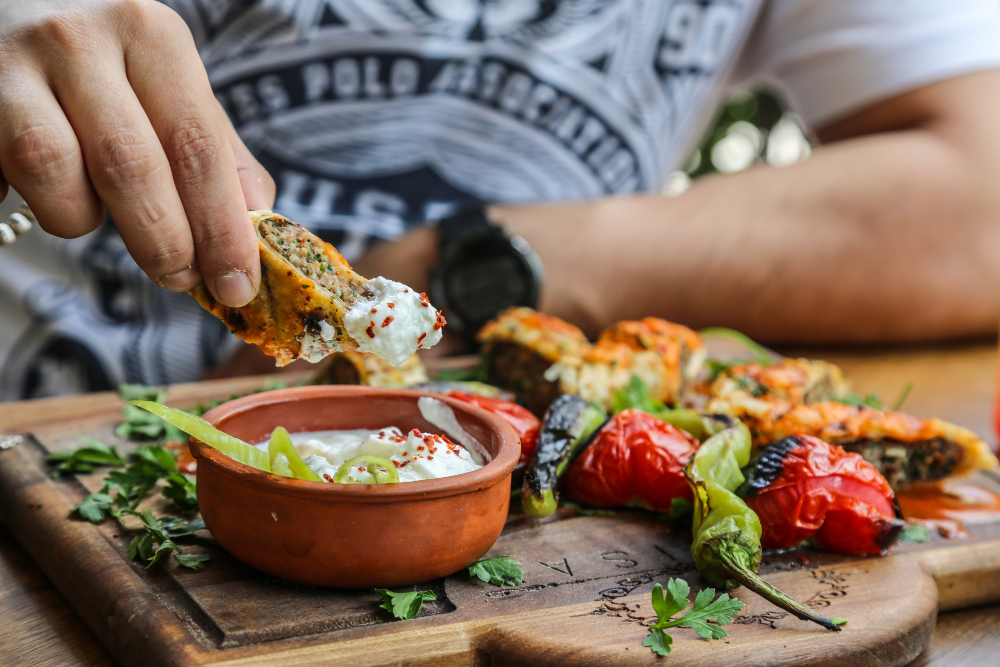
The modern home kitchen has evolved into a culinary crossroads where geography is no longer a barrier to flavor. What was once considered exotic or inaccessible—ingredients and techniques from distant cultures—is now readily available in local supermarkets and online markets. The surge in home cooking has shifted the focus from mere sustenance to cultural exploration, allowing cooks to replicate authentic international dishes without leaving their neighborhoods. This shift is not just about following a recipe; it is about understanding the fundamental principles that make global cuisines distinct while simplifying the process for the everyday cook. By breaking down complex dishes into manageable components and utilizing accessible ingredients, anyone can achieve restaurant-quality results. The key lies in balancing authenticity with practicality, ensuring that the soul of the dish remains intact even when the preparation method is streamlined for a busy lifestyle.
The Philosophy of Accessible Global Cooking
The concept of “easy” in international cooking does not imply a compromise on flavor or tradition. Instead, it refers to the strategic selection of techniques and ingredients that maximize taste while minimizing labor and hard-to-find components. Culinary experts often note that many traditional dishes were originally designed for efficiency, born out of necessity in households where time and resources were limited. For instance, street food culture across Asia and Latin America relies on quick cooking methods and bold seasoning profiles that can be easily replicated at home. Understanding this context helps demystify recipes that might otherwise seem intimidating. When approaching a new cuisine, the focus should be on the core flavor profile—the interplay of acid, heat, salt, sweetness, and umami—rather than rigid adherence to obscure tools or rare garnishes.
Accessibility also hinges on the globalization of the food supply chain. Ingredients that were once specialty items, such as fish sauce, gochujang, or harissa, are now staples in many pantries. This availability allows for greater experimentation without the need for extensive travel to ethnic grocers. However, knowing how to substitute these ingredients when necessary is a crucial skill. For example, if a specific variety of chili paste is unavailable, understanding its heat level and fermentation profile allows a cook to create a suitable alternative using more common items. Resources like the Serious Eats ingredient guide provide detailed breakdowns of global pantry staples, offering clarity on substitutions and storage. The goal is to build a versatile foundation that supports multiple cuisines, reducing waste and increasing confidence in the kitchen.
Furthermore, the definition of authenticity is evolving. While purists may argue for strict adherence to ancestral methods, modern culinary science suggests that the essence of a dish often survives adaptation. Techniques such as using a blender to mimic the texture of a traditional mortar and pestle, or employing a pressure cooker to reduce simmering times for stews, maintain the integrity of the flavor while accommodating modern schedules. The America’s Test Kitchen frequently explores these adaptations, proving that scientific approaches to cooking can yield results indistinguishable from traditional methods. By embracing these efficiencies, home cooks can explore a wider range of cuisines without feeling overwhelmed by the time commitment traditionally associated with them.
Mastering the Art of Asian Stir-Fries and Noodles
Asian cuisine offers some of the most rewarding opportunities for quick, high-impact cooking, particularly through the medium of stir-frying. The technique, rooted in Chinese culinary tradition, relies on high heat and rapid movement to cook ingredients evenly while preserving texture and nutrients. The secret to a successful stir-fry at home often eludes cooks due to equipment limitations; most residential stoves cannot reach the intense heat of a commercial wok burner. However, this challenge can be overcome by prepping all ingredients in advance—a practice known as mise en place—and cooking in smaller batches to prevent the pan temperature from dropping. This approach ensures that vegetables retain their crispness and proteins develop a desirable sear rather than steaming in their own juices. Detailed guides on wok technique, such as those found on The Wok of Life, emphasize the importance of preparation and heat management over specialized equipment.
Noodle dishes from across Asia, from Thai Pad See Ew to Japanese Yakisoba, follow similar principles but introduce variations in sauce composition and noodle texture. The diversity of noodles available today, ranging from fresh rice noodles to dried wheat varieties, allows for significant flexibility. A critical factor in noodle dishes is the sauce balance. In Thai cuisine, the harmony between fish sauce, palm sugar, tamarind, and chili creates the signature sweet-sour-salty-spicy profile. Achieving this balance at home requires tasting and adjusting, as brands of fish sauce and tamarind paste can vary significantly in potency. For those unfamiliar with these flavor dynamics, the Bon Appétit test kitchen notes offer excellent primers on building balanced sauces that define Southeast Asian cooking.
Moreover, the use of aromatics is non-negotiable in Asian cooking. Garlic, ginger, scallions, and chilies form the foundational layer of flavor in countless dishes. Properly preparing these aromatics—whether smashing garlic cloves to release oils or julienning ginger for maximum surface area—can elevate a simple dish to something extraordinary. The timing of their addition is equally important; adding them too early can lead to burning, while adding them too late results in raw, harsh flavors. Learning to read the oil and listen to the sizzle provides cues that textbooks cannot fully convey. For visual learners, video tutorials from reputable sources like Maangchi demonstrate these nuances effectively, bridging the gap between instruction and execution. Whether making a Korean bibimbap or a Vietnamese pho-inspired soup, the discipline of managing aromatics and heat remains the universal constant.
The Simplicity of Mediterranean and Middle Eastern Staples
Mediterranean and Middle Eastern cuisines are renowned for their reliance on fresh produce, healthy fats, and robust spice blends, making them ideal for easy home cooking. The philosophy here is often one of assembly rather than complex transformation. Dishes like Greek salads, Lebanese tabbouleh, or Israeli shakshuka rely heavily on the quality of individual ingredients rather than intricate cooking techniques. Olive oil, lemon juice, garlic, and herbs like parsley, mint, and cilantro act as the primary flavor drivers. This simplicity demands high-quality inputs; a mediocre olive oil can ruin a dish that would otherwise shine. Understanding the nuances of extra virgin olive oil, including acidity levels and harvest dates, is essential for replicating authentic flavors. Organizations like the North American Olive Oil Association provide valuable resources on selecting and storing oil to ensure peak freshness.
Spice blends are another cornerstone of this region’s culinary identity. Za’atar, sumac, baharat, and ras el hanout are mixtures that instantly transport a dish to the Levant or North Africa. While these can be purchased pre-mixed, creating them at home allows for customization based on personal preference and ensures the volatile oils in the spices are at their most potent. Toasting whole spices before grinding releases aromatic compounds that pre-ground blends often lack. This small step makes a tangible difference in dishes like roasted lamb or spiced chickpea stews. For those interested in the history and composition of these blends, Saveur magazine’s spice archives offer deep dives into the cultural significance and proper usage of regional seasonings.
Grilling and roasting are the preferred cooking methods in these cuisines, capitalizing on the natural sugars in vegetables and the Maillard reaction in meats. The concept of mezze—a selection of small dishes served as appetizers or a full meal—encourages variety and sharing, making it perfect for entertaining. Hummus, baba ganoush, and falafel are staples that, while sometimes perceived as difficult, are surprisingly straightforward when the right techniques are applied. For instance, soaking dried chickpeas overnight rather than using canned ones yields a smoother texture for hummus and holds its shape better for falafel. The Mediterranean Living portal offers extensive collections of tested recipes that highlight these traditional methods while providing tips for modern kitchens. The emphasis on communal eating and fresh ingredients aligns well with contemporary desires for healthy, social dining experiences.
Latin American Vibrancy: Tacos, Arepas, and Empanadas
Latin American cuisine is characterized by its vibrant use of corn, beans, chilies, and slow-cooked meats, yet many of its most iconic dishes are remarkably simple to prepare. The taco, arguably the most famous export of Mexican cuisine, is a study in minimalism: a tortilla, a filling, and a garnish. The distinction between authentic and Tex-Mex often lies in the tortilla. Corn tortillas, made from masa harina, offer a distinct earthy flavor and texture that flour tortillas cannot replicate. Making tortillas from scratch is easier than many assume, requiring only masa harina, water, and a press or heavy skillet. The Mexico In My Kitchen blog provides authoritative guidance on selecting the right masa and mastering the pressing technique, which is fundamental to countless dishes beyond tacos, including quesadillas and tostadas.
Moving south, the arepa of Venezuela and Colombia represents another versatile corn-based staple. Unlike the thin tortilla, the arepa is a thick cake that can be split and stuffed with a myriad of fillings, from shredded beef to cheese and avocado. The simplicity of the dough—cornmeal, water, salt, and oil—belies its capacity to carry complex flavors. The key to a perfect arepa lies in the cooking method: griddling to form a crust followed by baking or frying to ensure the interior is cooked through without becoming dense. Similarly, empanadas found across the continent offer a portable meal option. Whether baked or fried, the filling options are endless, ranging from savory meat picadillo to sweet fruit combinations. Understanding the regional variations in dough and filling helps cooks appreciate the diversity within the category.
Salsas and moles add the necessary depth to Latin American dishes. While mole is often feared for its long ingredient list and cooking time, simplified versions exist that capture the essence of the sauce without the days-long preparation. The balance of chocolate, chilies, nuts, and spices creates a complex profile that pairs beautifully with poultry. Fresh salsas, on the other hand, require no cooking at all, relying on the brightness of tomatoes, tomatillos, onions, and cilantro. The heat level can be adjusted by varying the type of chili used, from mild poblanos to fiery habaneros. For comprehensive information on chili varieties and their heat profiles, the Chili Pepper Institute is an invaluable resource. These condiments are not merely toppings; they are integral components that define the character of the meal, allowing diners to customize each bite.
European Comforts: Pastas, Risottos, and Rustic Breads
European cuisine, particularly from Italy and France, often conjures images of labor-intensive processes, but many classic dishes are rooted in peasant traditions that prioritize simplicity and resourcefulness. Pasta, the quintessential Italian comfort food, requires only flour and eggs (or water, in the case of dried pasta) to create a vehicle for infinite sauce variations. The secret to exceptional pasta dishes lies not in the complexity of the sauce but in the technique of finishing the pasta in the sauce itself. Reserving starchy pasta water and emulsifying it with the sauce creates a silky coating that clings to every strand. This technique, emphasized by experts like those at Giallo Zafferano, transforms a basic tomato sauce into a cohesive dish. Understanding the pairing of pasta shapes with specific sauces—rigatoni for chunky ragus, linguine for seafood—further elevates the dining experience.
Risotto is another dish often misunderstood as difficult. The perception of difficulty stems from the requirement of constant stirring, but this step is crucial for releasing the starch from Arborio or Carnaroli rice, creating the dish’s signature creamy texture without the addition of cream. The process involves gradual addition of warm broth, allowing the rice to absorb liquid and cook evenly. While it demands attention, the active time is manageable, and the result is a luxurious meal that can be adapted with seasonal vegetables, mushrooms, or seafood. The Italian Food Forever website offers rigorous testing of risotto techniques, debunking myths and providing reliable ratios for success. The versatility of risotto makes it a staple for utilizing leftovers, turning simple ingredients into a gourmet presentation.
Rustic breads and flatbreads from across Europe also fit the criteria of easy international cooking. Focaccia, with its dimpled surface and olive oil infusion, requires minimal kneading and long fermentation times that can be managed passively. Similarly, French galettes or Spanish tortillas (the potato omelet) rely on few ingredients but demand precise technique to achieve the right texture. The Spanish tortilla, for instance, hinges on the slow confit of potatoes in oil before being bound with eggs. It is a dish of patience rather than complexity. For those looking to master these basics, the King Arthur Baking Company provides scientifically backed recipes and troubleshooting guides that ensure consistent results. These dishes prove that European comfort food is accessible to the home cook willing to respect the process.
Comparative Analysis of Global Cooking Styles
To better understand how different cuisines approach ease and flavor, a comparison of their core methodologies reveals distinct patterns. While all aim for delicious results, the pathways differ in terms of prep time, cooking duration, and ingredient dependency. The following table illustrates these differences, helping cooks choose a style that fits their schedule and pantry availability.
| Cuisine Style | Primary Cooking Method | Key Flavor Drivers | Prep Intensity | Cook Time | Pantry Dependency |
|---|---|---|---|---|---|
| East Asian | High-heat Stir-fry / Steaming | Soy, Ginger, Garlic, Sesame | High (Mise en place) | Very Low | Moderate (Specialty sauces) |
| Mediterranean | Grilling / Raw Assembly | Olive Oil, Lemon, Herbs | Low | Low to Moderate | Low (Fresh produce focus) |
| Latin American | Griddling / Braising | Corn, Chilies, Lime, Cumin | Moderate | Moderate | Moderate (Masa, dried chilies) |
| European | Simmering / Baking | Wine, Butter, Cheese, Stock | Moderate | High (for slow dishes) | Low to Moderate |
| South Asian | Tempering / Slow Simmer | Turmeric, Cumin, Coriander, Garam Masala | High (Spice blending) | High | Moderate (Whole spices) |
This comparison highlights that “easy” is relative to the cook’s strengths. A cook who excels at organization may find Asian stir-fries easiest due to the clear separation of prep and cook phases. Conversely, someone who prefers a relaxed pace might favor Mediterranean assembly or European slow-simmering dishes where timing is less critical. The pantry dependency column suggests that while some cuisines require specific imports, others rely on universally available fresh ingredients. Recognizing these structural differences allows for better meal planning and reduces the friction often associated with trying new cuisines. It also underscores the importance of building a flexible pantry that can support multiple styles, reducing the need for last-minute shopping trips.
Navigating Ingredients and Substitutions
One of the biggest hurdles in international cooking is the fear of missing ingredients. However, the global food market has made substitution easier than ever. Understanding the function of an ingredient within a dish is more important than the ingredient itself. If a recipe calls for Kaffir lime leaves, which impart a unique citrusy aroma, a combination of regular lime zest and bay leaf can approximate the flavor profile in a pinch, though it won’t be identical. Similarly, if sake is unavailable for a Japanese marinade, dry sherry serves as an acceptable substitute due to its similar alcohol content and subtle sweetness. The Cook’s Illustrated database is an excellent resource for finding scientifically tested substitutions that maintain the chemical balance of a recipe.
Fermented products often pose a challenge due to their unique microbial profiles. Fish sauce, essential in Southeast Asian cooking, provides umami and salinity. For those with allergies or dietary restrictions, soy sauce mixed with a bit of mushroom broth or anchovy paste can mimic the depth, though the distinct funk will differ. Miso paste, another fermentation powerhouse, can sometimes stand in for soy sauce or even salt in Western dishes to add complexity. When substituting dairy, such as coconut milk in curries, the fat content is the critical variable; full-fat canned coconut milk is necessary to replicate the richness of traditional recipes, whereas “light” versions often result in a watery consistency.
It is also worth noting that regional variations within a country mean there is rarely only one “correct” way to make a dish. A curry in Northern India differs vastly from one in the South, meaning that deviations from a specific recipe may simply align with a different regional tradition. Embracing this fluidity reduces anxiety about perfection. For those seeking to deepen their knowledge of ingredient functions, the Food Science resources at Penn State Extension offer articles on the chemistry of cooking, explaining why certain substitutions work and others fail. This scientific understanding empowers cooks to improvise confidently, turning potential obstacles into opportunities for creativity.
Frequently Asked Questions
Q: How can I make international recipes healthier without losing flavor?
A: Healthifying international dishes often involves adjusting the ratio of fats and sodium while amplifying fresh elements. In stir-fries, increasing the volume of vegetables relative to protein and using less oil by employing a non-stick pan or water-sautéing techniques can reduce calorie density. For Mediterranean dishes, focusing on the quality of olive oil means less is needed to achieve satisfaction. Reducing salt in favor of acid (lemon juice, vinegar) and fresh herbs maintains brightness without the sodium spike. Many traditional diets, such as the Okinawan or Mediterranean, are inherently healthy; sticking to their core plant-based foundations while moderating portion sizes of richer components like meats or creams preserves both health benefits and authentic taste.
Q: Is it necessary to buy specialized equipment like a wok or tagine?
A: Specialized equipment is rarely strictly necessary for successful home cooking. A large, heavy-bottomed skillet or a Dutch oven can effectively replace a wok or tagine for most recipes. While a carbon steel wok offers superior heat retention and shape for tossing, a flat-bottomed wok or a large stainless steel pan works well on standard electric or gas stoves. Similarly, a heavy pot with a tight-fitting lid can simulate the moist heat environment of a tagine. The investment in specialized tools is more about optimizing an already established routine rather than enabling the cooking itself. Mastering technique with existing cookware is the most cost-effective first step.
Q: What are the best ways to store leftover international ingredients?
A: Proper storage extends the life of specialty ingredients and reduces waste. Fresh herbs like cilantro and parsley can be stored upright in a glass of water in the refrigerator, covered loosely with a bag, mimicking a bouquet. Aromatic pastes like ginger-garlic or chili pastes can be frozen in ice cube trays for portioned use later. Spices should be kept in airtight containers away from light and heat to preserve their volatile oils; buying in smaller quantities ensures they are used while potent. Fermented items like miso or gochujang have long shelf lives in the refrigerator but should be sealed tightly to prevent drying out. Consulting specific storage guidelines on sites like StillTasty can provide precise timelines for various global ingredients.
Q: How do I adjust spice levels for children or sensitive palates?
A: Controlling heat is easily managed by manipulating the source of the spice. In many cuisines, the heat resides in the seeds and membranes of chilies; removing these parts significantly reduces potency while retaining the chili’s flavor. Alternatively, serving spicy elements on the side, such as a hot chili oil or fresh sliced peppers, allows individuals to customize their bowls. Dairy products like yogurt or coconut milk can also be served alongside spicy dishes to neutralize capsaicin on the palate. When cooking for a group, preparing the base dish mild and offering condiments to ramp up the heat is the most inclusive strategy.
Q: Can I use dried herbs instead of fresh in Mediterranean cooking?
A: While fresh herbs are preferred for their bright, volatile oils, dried herbs can be used effectively if the quantity and timing are adjusted. Dried herbs are more concentrated, so generally, one-third the amount of dried herb replaces fresh. They also benefit from being added earlier in the cooking process to rehydrate and release their flavors, whereas fresh herbs are often added at the end. In long-simmering sauces or stews, dried oregano, thyme, or rosemary can yield excellent results. However, for raw applications like salads or garnishes, fresh herbs remain irreplaceable for texture and aroma.
Conclusion
The journey of cooking international recipes at home is less about crossing borders and more about expanding the horizons of the everyday kitchen. By deconstructing global cuisines into their fundamental elements—technique, flavor balance, and ingredient function—the perceived barriers to entry dissolve. The modern cook is equipped with unprecedented access to information and ingredients, allowing for a culinary exploration that is both authentic and adaptable. Whether it is the high-heat sear of a wok, the slow infusion of a Mediterranean stew, or the precise balance of a Latin American salsa, each dish offers a lesson in patience, observation, and appreciation for diverse food cultures.
Success in this endeavor does not require professional training or exotic tools; it requires curiosity and a willingness to engage with the process. The mistakes made along the way are part of the learning curve, often leading to unique variations that become personal signatures. As the global pantry continues to shrink in distance, the opportunity to nourish oneself and others with the world’s flavors becomes a daily possibility. The true reward lies not just in the meal served, but in the connection forged with the traditions and people behind the recipes. With a well-stocked pantry, a understanding of core techniques, and an open mind, any kitchen can become a gateway to the world, proving that the most profound travel experiences can begin at the stove.