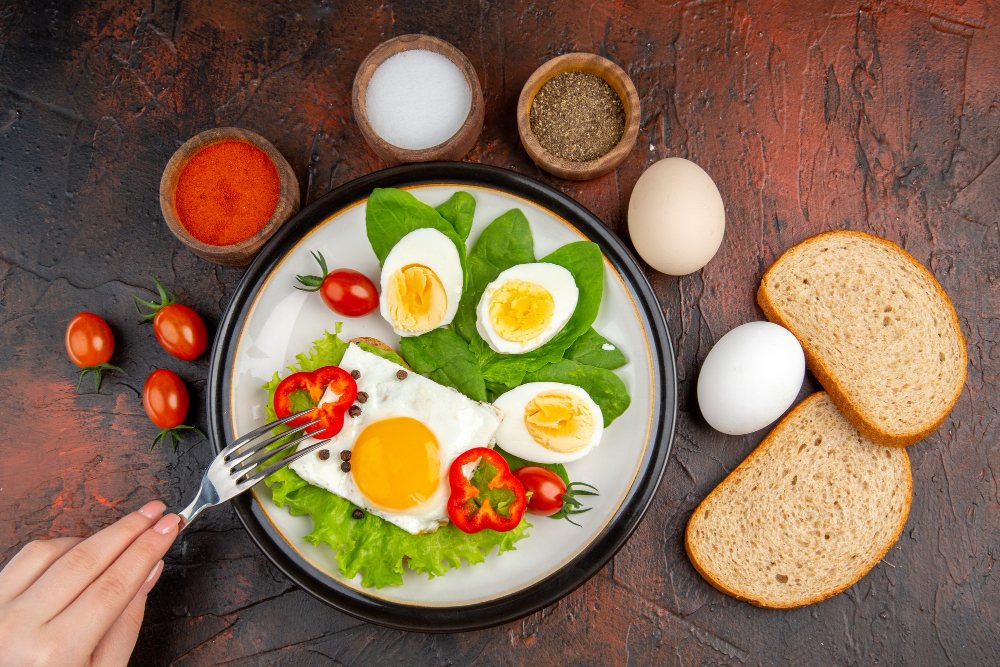



The modern morning routine is often a battleground between the biological need for sustained energy and the relentless pressure of time. For decades, nutritional guidance emphasized carbohydrates as the primary fuel source for starting the day, yet emerging metabolic research and clinical observations have shifted the paradigm toward protein prioritization. A high-protein breakfast is no longer just a trend among fitness enthusiasts; it is a fundamental strategy for glycemic control, cognitive function, and satiety management. The challenge lies not in understanding the why, but in executing the how without sacrificing minutes of sleep or resorting to processed, sugar-laden convenience foods. By leveraging specific biochemical mechanisms and utilizing efficient culinary techniques, it is entirely possible to construct meals that deliver 25 to 40 grams of protein in under ten minutes, setting a metabolic tone that persists throughout the day.
The Metabolic Logic of Early Protein Intake
Understanding why protein takes precedence in the morning requires a look at the body’s hormonal landscape upon waking. After an overnight fast, insulin sensitivity is generally higher, and cortisol levels are naturally elevated to facilitate waking. Consuming a carbohydrate-heavy meal in this state can lead to a rapid spike in blood glucose, followed by an equally sharp insulin response and a subsequent crash, often manifesting as mid-morning fatigue and cravings. In contrast, protein ingestion stimulates the release of glucagon and peptide YY, hormones that promote satiety and stabilize blood sugar levels. According to data from the American Journal of Clinical Nutrition, increasing protein intake at breakfast significantly reduces ghrelin levels, the hormone responsible for hunger signals, more effectively than high-carbohydrate or high-fat breakfasts.
The concept of the “anabolic window” is frequently discussed in the context of post-workout nutrition, but a similar principle applies to breaking the overnight fast. Muscle protein synthesis (MPS) is blunted during sleep; providing essential amino acids immediately upon waking jumpstarts the repair and maintenance processes. The National Institutes of Health highlights that distributing protein evenly across meals, rather than skewing it heavily toward dinner, optimizes MPS over a 24-hour period. A breakfast lacking adequate protein forces the body to rely on stored glycogen or, in extreme cases, catabolize muscle tissue for gluconeogenesis, undermining long-term metabolic health and body composition goals.
Furthermore, the thermic effect of food (TEF) plays a crucial role in energy expenditure. Protein has a significantly higher TEF compared to fats and carbohydrates, meaning the body burns more calories digesting and metabolizing protein. Research published by the Centers for Disease Control and Prevention regarding obesity prevention notes that diets higher in protein can increase daily energy expenditure by up to 100 calories simply through the metabolic cost of digestion. When applied to the first meal of the day, this effect compounds, contributing to a negative energy balance without requiring additional physical activity. This metabolic advantage is particularly relevant for individuals managing weight or seeking to improve insulin sensitivity, as stable morning glucose levels correlate with better overall glycemic control.
Deconstructing the “Quick” Constraint: Efficiency in Preparation
The perception that high-protein meals require elaborate preparation is a significant barrier to adoption. However, culinary efficiency is achieved through strategic planning and the selection of ingredients that require minimal thermal processing. The definition of “quick” in a nutritional context should encompass both active cooking time and total elapsed time, including cleanup. Techniques such as batch cooking, utilizing slow-cookers for overnight preparation, and leveraging high-speed blenders can reduce active involvement to mere minutes. The key is shifting the workload to times when time is less constrained, such as Sunday afternoons or evening wind-downs, allowing the morning execution to be purely assembly-based.
One effective strategy involves the “cook once, eat thrice” methodology, where a large batch of a protein-dense base is prepared in advance. Hard-boiled eggs, roasted chicken breast strips, or pre-cooked quinoa can be stored in refrigeration for up to four days, ready to be incorporated into various morning compositions. The United States Department of Agriculture provides extensive guidelines on food safety and storage times, ensuring that pre-prepared proteins remain safe and nutritious throughout the workweek. By having these components ready, the morning routine transforms from a cooking session into a modular assembly process, where different flavor profiles and textures are added to the pre-cooked protein base.
Another avenue for speed is the utilization of appliances designed for rapid heat transfer or mechanical breakdown. Air fryers, for instance, can cook frozen shrimp or tofu cubes in half the time of a conventional oven, while maintaining a desirable texture. Similarly, high-performance blenders can emulsify whole foods like oats, seeds, and protein powders into a digestible liquid form instantly, bypassing the need for chewing and slowing down gastric emptying, which can be beneficial for those with early morning appetite suppression. The integration of these tools aligns with findings from Culinary Institute of America studies on modern kitchen efficiency, which suggest that equipment investment directly correlates with increased home cooking frequency and improved dietary quality.
The Egg: Nature’s Pre-Packaged Protein Source
Despite the rise of plant-based alternatives, the egg remains the gold standard for bioavailable protein in breakfast applications. A single large egg contains approximately 6 grams of high-quality protein, complete with all nine essential amino acids required for human health. The versatility of eggs allows them to be prepared in myriad ways that fit within tight time constraints. Scrambling, for example, is arguably the fastest cooking method, taking less than three minutes from shell to plate. By whisking eggs with a splash of milk or water and cooking them over medium-high heat while continuously stirring, one can achieve a fluffy texture that maximizes surface area for heat penetration, ensuring rapid coagulation.
For those seeking to maximize protein density without increasing volume, incorporating egg whites alongside whole eggs is a proven tactic. While the yolk contains the majority of the micronutrients, including choline and vitamin D, the white is almost pure protein. A combination of two whole eggs and two egg whites yields roughly 18 grams of protein with moderate caloric impact. The American Heart Association has updated its stance on dietary cholesterol, noting that for most healthy individuals, the consumption of eggs does not significantly impact blood cholesterol levels, thereby validating their daily inclusion in a heart-healthy diet. This shift in guidance removes a historical barrier for many consumers hesitant to consume multiple eggs daily.
Beyond the basic scramble, the frittata offers an excellent vehicle for integrating vegetables and leftover proteins. While traditionally baked, a stovetop frittata can be completed in under ten minutes. By sautéing spinach, peppers, or onions in an oven-safe skillet, adding beaten eggs, and covering the pan to trap steam, the top sets rapidly without needing oven time. This method preserves the heat-sensitive vitamins in the vegetables while ensuring the eggs are fully cooked. Adding pre-cooked turkey bacon or diced ham can elevate the protein content to over 30 grams per serving. The structural integrity of a frittata also makes it ideal for portioning; a large skillet can yield four to six servings that reheat exceptionally well, adhering to the batch-cooking efficiency model.
Dairy and Fermented Options: Beyond the Glass of Milk
Dairy products offer a concentrated source of casein and whey protein, two distinct types of protein with different digestion rates. Whey is rapidly absorbed, making it ideal for immediate post-fast recovery, while casein forms a gel in the stomach, providing a slow, sustained release of amino acids. Greek yogurt stands out as a premier breakfast option, offering nearly double the protein of regular yogurt due to the straining process that removes whey and lactose. A standard 7-ounce container of plain, non-fat Greek yogurt typically provides 18 to 20 grams of protein. The Mayo Clinic emphasizes the importance of choosing plain varieties to avoid added sugars, which can negate the metabolic benefits of the high protein content.
Cottage cheese is another underutilized powerhouse in the breakfast arena. Often associated with diet culture of the past, modern culinary approaches have rehabilitated its image. With roughly 25 grams of protein per cup, cottage cheese has a higher protein-to-calorie ratio than most meats. Its mild flavor profile makes it adaptable to both savory and sweet applications. Blending cottage cheese until smooth eliminates the curd texture, creating a base for smoothies or a spread for toast that is indistinguishable from ricotta but significantly higher in protein. Incorporating savory elements like cherry tomatoes, cucumber, and cracked black pepper creates a meal reminiscent of a deconstructed salad, while blending with berries and a touch of vanilla extract mimics a cheesecake filling.
Kefir, a fermented milk drink, introduces the element of probiotics alongside protein. While slightly lower in protein per ounce compared to Greek yogurt, kefir’s liquid form makes it an effortless addition to morning routines. It serves as an superior base for smoothies, providing a tangy counterpoint to sweet fruits. The fermentation process breaks down much of the lactose, making it more digestible for individuals with mild lactose intolerance. Research from the National Center for Complementary and Integrative Health suggests that the diverse microbiota in fermented dairy products may support gut health, which is increasingly linked to immune function and mental well-being. Combining kefir with protein powder or hemp seeds can easily bridge the gap to reach optimal protein targets.
Plant-Based Powerhouses for Non-Dairy Diets
The demand for plant-based nutrition has driven innovation in non-dairy protein sources, dispelling the myth that vegan breakfasts are inherently low in protein. Legumes, nuts, seeds, and grains can be combined to create complete amino acid profiles. Tofu, derived from soybeans, is perhaps the most versatile plant protein, capable of mimicking the texture of scrambled eggs when crumbled and sautéed with turmeric and nutritional yeast. A half-cup serving of firm tofu provides about 10 grams of protein, and because it is sold pre-cooked, it requires only heating and seasoning. The Academy of Nutrition and Dietetics confirms that well-planned plant-based diets can meet all protein requirements, provided there is variety and sufficient caloric intake.
Chia seeds and hemp hearts are nutrient-dense additions that require zero cooking. Hemp hearts, the shelled seeds of the hemp plant, offer 10 grams of protein per three tablespoons and contain all essential amino acids. They can be sprinkled over oatmeal, yogurt, or avocado toast without altering the flavor profile significantly. Chia seeds, while lower in protein per gram, expand when soaked in liquid, creating a pudding-like consistency that is ideal for overnight preparation. Mixing chia seeds with almond milk and a scoop of pea protein powder creates a ready-to-eat breakfast that is rich in fiber and omega-3 fatty acids. This approach leverages the passive preparation time of sleeping to achieve a “quick” morning meal.
Tempeh, a fermented soybean cake, offers a firmer texture and nuttier flavor than tofu, along with a higher protein density of roughly 15 grams per half-cup. Because tempeh is fermented, it also possesses prebiotic properties. Slicing tempeh thinly and pan-searing it with a splash of soy sauce and maple syrup creates a savory, bacon-like topping for breakfast bowls. The firmness of tempeh holds up well in meal prep scenarios, maintaining its texture after reheating. Incorporating these plant-based proteins diversifies the nutrient intake, providing phytonutrients and fiber that are often lacking in animal-centric diets, contributing to long-term cardiovascular health and digestive regularity.
Comparative Analysis of Quick High-Protein Breakfast Options
To visualize the trade-offs between different quick breakfast strategies, the following table compares common options based on protein density, preparation time, and satiety potential. This comparison aids in selecting the right option based on specific morning constraints and nutritional goals.
| Breakfast Option | Primary Protein Source | Approx. Protein (per serving) | Active Prep Time | Satiety Duration | Key Nutritional Benefit |
|---|---|---|---|---|---|
| Greek Yogurt Bowl | Casein/Whey | 20–25g | 2 mins | High | Probiotics & Calcium |
| Scrambled Eggs + Whites | Albumin | 25–30g | 5 mins | Very High | Choline & B-Vitamins |
| Tofu Scramble | Soy Protein | 15–20g | 7 mins | High | Isoflavones & Iron |
| Protein Smoothie | Whey/Pea Blend | 30–40g | 3 mins | Moderate | Rapid Absorption |
| Cottage Cheese Toast | Casein | 25g | 3 mins | High | Low Calorie Density |
| Overnight Chia Pudding | Plant/Seed | 12–18g* | 0 mins (AM) | Moderate | Omega-3 & Fiber |
| Smoked Salmon Wrap | Animal/Marine | 20–25g | 4 mins | High | Omega-3 Fatty Acids |
| Tempeh Hash | Fermented Soy | 18–22g | 8 mins | Very High | Gut Health Support |
*Note: Protein content in chia pudding varies significantly based on added protein powder or milk type.
This table illustrates that liquid options like smoothies offer the highest protein ceiling in the shortest time, making them ideal for those with zero cooking tolerance. Conversely, whole food options like eggs and tempeh provide superior satiety due to the mechanical action of chewing and the slower gastric emptying of solid matrices. The choice between these options should depend on individual schedules and digestive preferences rather than a one-size-fits-all rule.
Strategic Flavor Pairing and Palatability
A common pitfall in high-protein dining is the neglect of flavor, leading to monotony and eventual abandonment of the diet. Protein sources, particularly lean ones, can be bland if not properly seasoned. The Maillard reaction, a chemical reaction between amino acids and reducing sugars that gives browned food its distinctive flavor, is a powerful tool even in quick cooking. Searing meats or tofu at high heat for a short duration develops complex flavor compounds that enhance palatability. Utilizing aromatics like garlic, onion, and fresh herbs can elevate a simple egg dish to a gourmet experience without adding significant preparation time.
Acidity is another critical component often missing from breakfast plates. A squeeze of lemon juice over fish or eggs, or the addition of vinegar to a vegetable sauté, cuts through the richness of protein and fat, brightening the overall flavor profile. Acidic environments also aid in digestion by stimulating stomach acid production. Incorporating fermented condiments like salsa, kimchi, or pickles not only adds a tangy kick but also introduces additional probiotics and sodium, which can be beneficial for electrolyte balance, especially for those who exercise in the morning.
Texture contrast is essential for meal satisfaction. A meal consisting entirely of soft textures, such as yogurt and fruit, can feel incomplete. Adding crunchy elements like toasted nuts, seeds, or whole-grain crackers provides sensory variety that signals fullness to the brain. The act of crunching increases the time spent eating, allowing satiety hormones to register before overconsumption occurs. This sensory engagement is a subtle but effective psychological tool in portion control and meal enjoyment, ensuring that the high-protein breakfast is a meal looked forward to rather than endured.
Addressing Common Barriers and Misconceptions
Despite the clear benefits, several misconceptions hinder the adoption of high-protein breakfasts. One prevalent myth is that high protein intake damages kidney function in healthy individuals. Extensive reviews by the National Kidney Foundation indicate that for people with normal kidney function, high protein diets do not cause harm. The kidneys are highly adaptable organs capable of handling increased nitrogen loads resulting from protein metabolism. Concerns should primarily be reserved for individuals with pre-existing renal conditions, who should consult medical professionals for personalized advice.
Another barrier is the perceived cost of protein-rich foods. While premium cuts of meat and specialized supplements can be expensive, economical sources abound. Eggs, canned tuna, dried lentils, and bulk-purchased Greek yogurt are among the most cost-effective sources of protein per gram. Buying in season, utilizing frozen vegetables, and purchasing store-brand dairy products can further reduce costs. The economic argument also extends to the reduction of mid-morning snacking; the increased satiety from a robust breakfast often eliminates the need for purchased coffee shop pastries or vending machine snacks, offsetting the initial ingredient cost.
Time remains the most cited obstacle, yet the definition of breakfast need not be rigid. The notion that breakfast must be a seated, hot meal is a cultural construct rather than a physiological requirement. Portable options like hard-boiled eggs, cheese sticks, or pre-made protein balls allow for nutrient intake during a commute or upon arrival at the workplace. The physiological trigger for metabolic stabilization is the intake of amino acids, regardless of the setting. Flexibility in the when and where of consumption ensures adherence to nutritional goals even during chaotic mornings.
Frequently Asked Questions
Q: How much protein is actually necessary for breakfast?
A: While individual needs vary based on body weight, activity level, and age, research suggests that consuming between 25 and 40 grams of protein at breakfast is optimal for maximizing muscle protein synthesis and controlling appetite. This amount is significantly higher than the average intake of 10–15 grams seen in typical cereal or toast-based breakfasts. Achieving this threshold helps blunt the ghrelin response and stabilizes blood glucose levels for several hours.
Q: Can I get enough protein on a vegan breakfast?
A: Yes, it is entirely possible to reach high protein targets on a plant-based diet. Combining sources such as tofu, tempeh, legumes, seeds (hemp, chia, pumpkin), and plant-based protein powders can easily yield 30+ grams of protein. It is important to vary the sources throughout the day to ensure a complete amino acid profile, although modern nutritional science indicates that strict complementation at every meal is not strictly necessary as long as the daily diet is varied.
Q: Is protein powder a healthy substitute for whole food?
A: Protein powder is a convenient supplement, not a replacement for whole foods. While it is effective for quickly boosting protein intake, whole foods provide a matrix of nutrients, fiber, and phytonutrients that powders lack. Ideally, protein powder should be used to augment a meal (e.g., added to oatmeal or a smoothie with fruit and spinach) rather than serving as the sole source of nutrition. Quality matters; look for third-party tested brands to ensure purity and absence of heavy metals.
Q: Does cooking protein destroy its value?
A: Cooking denatures protein, unfolding its structure, but this does not reduce its nutritional value; in fact, it often improves digestibility and bioavailability. Heat destroys anti-nutritional factors present in some plant proteins (like lectins in beans) and kills potential pathogens in animal products. As long as the food is not burnt to the point of charring, which can create harmful compounds, standard cooking methods preserve and often enhance the utility of dietary protein.
Q: What if I am not hungry in the morning?
A: Lack of morning hunger is often a sign of late-night eating or a diet high in refined carbohydrates the previous day. Starting with a smaller, liquid-based protein source like a shake or kefir can be easier to tolerate. Over time, as the body adapts to stable blood sugar levels and reduced late-night caloric intake, natural morning hunger cues typically return. Forcing large solid meals when not hungry can be counterproductive; listening to bodily signals while ensuring some protein is consumed is the balanced approach.
Conclusion
The transition to a high-protein breakfast is a strategic intervention with far-reaching implications for daily performance and long-term health. It moves beyond the simplistic view of breakfast as merely “breaking a fast” to recognizing it as a critical metabolic lever. By prioritizing protein, individuals can harness the power of satiety hormones, optimize muscle maintenance, and stabilize energy levels, effectively insulating themselves against the erratic demands of modern life. The barrier of time, often cited as the primary obstacle, dissolves when one adopts efficient preparation methods, utilizes the right tools, and embraces the versatility of both animal and plant-based protein sources.
The evidence is clear: the composition of the first meal dictates the trajectory of the day. Whether through a swiftly blended smoothie, a batch-prepped frittata, or a simple bowl of Greek yogurt, the integration of 25 to 40 grams of protein is a non-negotiable pillar of optimal nutrition. This approach requires no fictional narratives or emotional appeals to validate it; the biochemical reality speaks for itself. As the understanding of nutrition evolves, the high-protein breakfast stands firm as a cornerstone of a health-conscious lifestyle, offering a practical, scientifically grounded path to vitality. The next step for the reader is not merely to acknowledge this information but to audit their current morning routine, identify the gaps, and implement one of the outlined strategies tomorrow. Consistency in this single habit can yield compounding returns in health, focus, and physical well-being.