

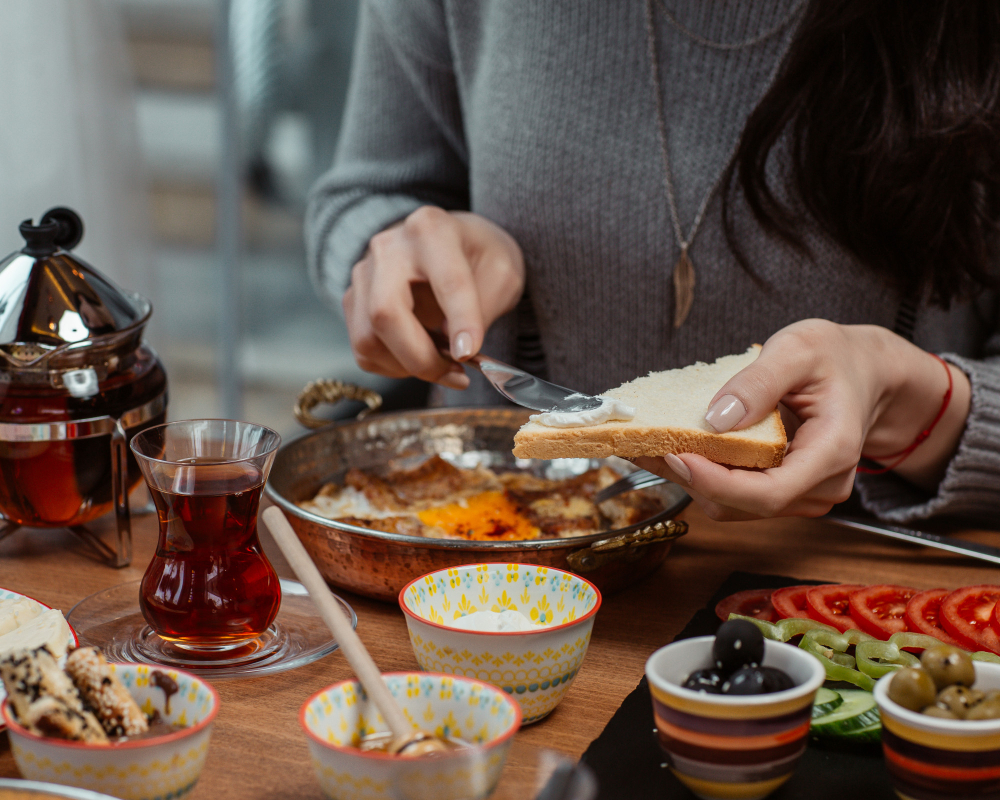
The morning light in Morocco does not just illuminate a room; it transforms the atmosphere, casting a warm glow over a table laden with textures, aromas, and flavors that have defined a culture for centuries. A traditional Moroccan breakfast is not merely a meal to stave off hunger; it is a ritual of hospitality, a slow start to the day that prioritizes community and sensory pleasure over haste. For those looking to recreate this experience at home, the process is surprisingly accessible. The core philosophy relies on high-quality staples rather than complex techniques, making these traditional Moroccan breakfast recipes some of the most approachable yet rewarding dishes in North African cuisine. Understanding the components—the breads, the oils, the spreads, and the teas—provides a gateway to a culinary tradition that balances simplicity with profound depth of flavor.
The Foundation: Bread as the Centerpiece
No discussion of a Moroccan morning can begin without acknowledging the centrality of bread. In Morocco, bread is not a side dish; it is the utensil, the plate, and the main event. The most iconic variety is Khobz, a round, rustic loaf with a golden crust and a soft, airy interior. Unlike the dense sourdoughs of Europe or the soft sandwich loaves of America, Khobz is designed specifically for dipping and scooping. Its texture allows it to absorb olive oil and honey without disintegrating immediately, providing the perfect vehicle for the various toppings that follow.
For the home cook, replicating authentic Khobz requires attention to hydration and fermentation. The dough typically utilizes semolina flour alongside white wheat flour, giving the bread a distinctive yellow hue and a slightly nutty flavor profile. While many bakeries in Morocco use communal ovens, a standard home oven can achieve excellent results by using a baking stone or steel to mimic the intense heat of a traditional clay oven. The FAO’s guidelines on cereal processing highlight the importance of grain quality in traditional bread-making, noting that the specific protein content in durum wheat (semolina) contributes significantly to the structural integrity required for these flat, round loaves.
Another staple often found on the breakfast table is Msemen, a square, flaky flatbread that resembles a cross between a croissant and a paratha. Msemen is made by stretching the dough until it is nearly translucent, folding it multiple times with oil or smen (fermented butter), and then pan-frying it until golden and crisp. The layering technique is crucial; it creates pockets of steam during cooking that separate the dough into delicate sheets. This bread is versatile, served plain with honey or stuffed with savory fillings. The complexity of Msemen lies in the handling of the dough, which requires patience and practice to master the stretching motion that defines its texture. Detailed techniques for working with laminated doughs can be explored through resources like King Arthur Baking’s guide to flatbreads, which offers scientific insights into gluten development and fat distribution essential for achieving that signature flakiness.
A third variant, Harcha, offers a different textural experience. Made primarily from fine semolina, Harcha is denser and crumblier than Khobz or Msemen. It is often cooked on a griddle and has a consistency similar to cornbread but with a distinct Mediterranean flavor due to the use of olive oil and sometimes anise seeds. Harcha demonstrates the versatility of semolina in Moroccan cuisine, proving that a single ingredient can yield vastly different results based on preparation methods. For those interested in the historical context of semolina usage in North Africa, the International Durum Wheat Symposium provides extensive research on how durum wheat has shaped regional diets for millennia.
The Golden Elixir: Olive Oil and Honey
If bread is the body of the Moroccan breakfast, then olive oil and honey are its soul. The combination of these two elements, drizzled generously over fresh bread, is the most common and cherished way to start the day. This simple pairing relies entirely on the quality of the ingredients. Moroccan olive oil, particularly from regions like Meknes and Essaouira, is renowned for its fruity, peppery notes and high polyphenol content. When paired with local honey, which varies in flavor depending on the flora of the region—from the thyme honey of the mountains to the orange blossom honey of the coastal plains—the result is a harmonious balance of savory, sweet, and bitter.
The cultural significance of olive oil in Morocco cannot be overstated. It is deeply embedded in the agricultural landscape and daily life. The International Olive Council frequently cites Morocco as one of the world’s leading producers of olive oil, emphasizing the country’s commitment to sustainable farming practices and high-quality extraction methods. When selecting olive oil for a traditional breakfast recipe, looking for “extra virgin” designation is non-negotiable. The cold-pressing method preserves the antioxidants and flavors that define a genuine Moroccan experience. Cheap, refined oils lack the complexity needed to stand up to the robust flavors of the bread and honey.
Honey in Morocco is treated with similar reverence. It is not merely a sweetener but a medicinal food, often consumed for its purported health benefits. The diversity of Moroccan honey is vast, with each type offering unique aromatic profiles. Thyme honey is bold and herbal, while eucalyptus honey is milder and more floral. Mixing these honeys with high-quality olive oil creates an emulsion that clings to the bread, delivering a burst of energy and flavor. For consumers seeking to understand the grading and authenticity of honey, the National Honey Board offers comprehensive resources on identifying pure honey and understanding the impact of floral sources on taste.
The act of dipping bread into a pool of oil and honey is tactile and engaging. It slows down the eating process, encouraging mindfulness and appreciation of each bite. This method of consumption also highlights the importance of texture contrast: the crisp crust of the bread gives way to the soft interior, which is then coated in the viscous, rich mixture of oil and honey. It is a sensory experience that engages sight, smell, touch, and taste simultaneously. The simplicity of this dish belies its sophistication; it requires no cooking skills, only an eye for quality ingredients.
Savory Delights: Eggs, Olives, and Cheese
While the sweet combination of oil and honey dominates the morning table, savory elements play a crucial supporting role, adding depth and variety to the meal. Eggs are a staple, often prepared in ways that maximize flavor with minimal fuss. Omelets in Morocco are frequently enriched with herbs like parsley and cilantro, and sometimes include finely chopped onions or tomatoes. The eggs are beaten vigorously to incorporate air, resulting in a fluffy texture that contrasts with the denser breads.
Olives are another indispensable component. Morocco is one of the largest producers of olives globally, and the variety available is staggering. From the small, wrinkled black olives preserved in salt to the large green olives marinated with garlic, lemon, and spices, these briny bites provide a necessary counterpoint to the sweetness of the honey. The curing process of Moroccan olives is an art form in itself, often taking weeks or months to achieve the perfect balance of bitterness and saltiness. The UC Davis Olive Center provides detailed information on olive varieties and curing methods, shedding light on why Moroccan olives possess such distinct flavor profiles compared to their European counterparts.
Cheese, while less dominant than in some European breakfasts, is gaining popularity and has always had a place on the table. Jben, a traditional fresh cheese made from goat or cow milk, is soft, mild, and slightly tangy. It is often served in small rounds and pairs beautifully with honey or olives. Modern breakfast spreads might also include processed cheeses or imported varieties, but Jben remains the authentic choice for those seeking a traditional experience. The production of Jben involves simple coagulation and draining, resulting in a cheese that is best consumed fresh. For those interested in the microbiology and production of traditional fresh cheeses, the American Dairy Science Association publishes research on the fermentation processes that give cheeses like Jben their characteristic texture and taste.
Tomatoes and cucumbers often appear sliced thinly on the side, dressed with a touch of salt, cumin, and olive oil. These fresh vegetables add a hydrating crunch and a burst of acidity that cleanses the palate between bites of rich bread and cheese. The use of cumin in savory breakfast dishes is a subtle nod to the spice-laden nature of Moroccan cuisine, introducing a warm, earthy note that ties the savory elements together. This emphasis on fresh, uncooked vegetables aligns with broader Mediterranean dietary patterns, which prioritize whole, minimally processed foods.
The Liquid Ritual: Mint Tea and Coffee
No Moroccan breakfast is complete without the ceremonial pouring of Atay, or Moroccan mint tea. Often referred to as “Moroccan whiskey” due to its ubiquitous presence and social significance, this tea is far more than a beverage; it is a symbol of hospitality and friendship. The preparation involves gunpowder green tea, fresh spearmint leaves, and a significant amount of sugar. The tea is brewed in a silver teapot and poured from a height into small glasses, creating a frothy head known as the “turban.” This pouring technique is not just for show; it aerates the tea, enhancing its flavor and cooling it slightly before consumption.
The ritual of serving tea involves multiple pours. The first pour is often strong and slightly bitter, the second is balanced, and the third is sweet and mild. A famous Moroccan proverb states, “The first glass is as gentle as life, the second is as strong as love, the third is as bitter as death.” While this saying adds a poetic layer to the experience, the practical reality is that the changing flavor profile results from the gradual extraction of tannins and the dilution of sugar with each subsequent pour. For a deeper understanding of the chemistry behind tea brewing and the impact of pouring height on aeration, the Specialty Tea Institute offers educational materials on tea preparation methods worldwide.
Coffee also holds a place in the Moroccan morning, particularly in urban areas. Café au lait is a popular choice, often served in a bowl rather than a cup, allowing for easy dipping of bread. The coffee is typically strong and dark, blended with chicory in some regions to add body and reduce acidity. The social aspect of drinking coffee or tea cannot be ignored; these beverages are the glue that holds the breakfast gathering together, encouraging conversation and lingering at the table. The National Coffee Association provides insights into global coffee consumption patterns, noting the unique cultural adaptations of coffee drinking in North Africa.
Step-by-Step: Recreating the Experience at Home
Bringing the essence of a Moroccan breakfast into a home kitchen outside of Morocco requires a strategic approach to ingredients and timing. The goal is to replicate the balance of flavors and textures rather than achieving exact duplication, as local variations in water, flour, and produce will naturally influence the outcome. The first step is securing the right bread. If a local bakery does not offer Khobz or Msemen, making a simplified version at home is a viable option. A basic Khobz recipe involves mixing semolina and white flour with yeast, salt, and water, allowing it to rise, and baking it at a high temperature. The key is to ensure the crust is firm enough to hold toppings but the interior remains soft.
For the toppings, investing in high-quality extra virgin olive oil and a distinct varietal of honey is essential. Look for oils with a harvest date within the last year and honey that specifies its floral source. Combining these in a shallow bowl allows guests to dip their bread easily. Adding a selection of olives, perhaps marinated overnight with garlic and lemon zest, enhances the savory profile. Fresh herbs like mint and cilantro should be washed and dried thoroughly, ready to be tucked into sandwiches or sprinkled over eggs.
Preparing the tea requires a specific set of tools, ideally a traditional silver teapot and small glasses, though any heat-proof vessel will suffice. The ratio of tea to mint to sugar is subjective, but a good starting point is one tablespoon of gunpowder tea, a large bunch of fresh mint, and three to four tablespoons of sugar per pot. Boiling the water and steeping the tea for a few minutes before adding the mint prevents the leaves from turning bitter. Pouring from a height creates the desired foam. For those unfamiliar with gunpowder tea, the World Tea Academy offers guides on identifying and brewing this specific type of green tea.
Eggs can be prepared simply as an omelet with chopped herbs and onions. The trick is to cook them slowly over low heat to maintain tenderness. Serving them alongside sliced tomatoes and cucumbers dressed with cumin and salt completes the savory spread. The arrangement of the table is also important; everything should be within reach, encouraging a communal style of eating where dishes are shared and passed around. This setup fosters interaction and mirrors the relaxed pace of a Moroccan morning.
Comparative Overview of Key Breakfast Elements
To better understand the components of a traditional Moroccan breakfast and how they interact, the following table outlines the primary elements, their characteristics, and their roles in the meal. This comparison helps in selecting the right balance of sweet, savory, and textural elements for a well-rounded spread.
| Component | Primary Characteristics | Flavor Profile | Role in the Meal | Preparation Complexity |
|---|---|---|---|---|
| Khobz | Round, rustic, semi-dense crust, airy interior | Nutty, wheaty, neutral | Base for dipping and scooping; the main carbohydrate source | Moderate (requires fermentation) |
| Msemen | Square, layered, flaky, pan-fried | Buttery, rich, slightly chewy | Versatile base for sweet or savory toppings; textural contrast | High (requires dough stretching) |
| Olive Oil & Honey | Viscous, golden, aromatic | Fruity, peppery, sweet, floral | The primary dressing; binds bread and toppings; energy source | Low (selection dependent) |
| Olives | Brined, cured, varying sizes | Salty, briny, tangy, umami | Palate cleanser; savory counterpoint to sweet elements | Low (if purchased pre-cured) |
| Mint Tea | Frothy, hot, sweetened | Refreshing, minty, astringent, sweet | Digestive aid; social lubricant; hydration | Moderate (requires technique) |
| Fresh Vegetables | Crisp, raw, sliced | Acidic, fresh, hydrating | Lightens the meal; adds vitamins and crunch | Low (washing and slicing) |
| Jben Cheese | Soft, fresh, moist | Mild, tangy, creamy | Protein source; pairs with honey or bread | Moderate (if made fresh) |
This table illustrates that while some elements like Msemen require significant skill and time, others like the olive oil dressing or vegetable sides are incredibly simple. The beauty of the Moroccan breakfast lies in this mix; the effort put into the bread is rewarded by the ease of assembling the rest of the meal. It allows the host to focus on one or two complex items while keeping the rest fresh and straightforward.
Frequently Asked Questions
What is the difference between Khobz and Msemen?
Khobz is a round, leavened bread baked in an oven, characterized by a crispy crust and soft, porous interior suitable for soaking up liquids. Msemen, conversely, is a laminated flatbread that is folded multiple times and pan-fried, resulting in a flaky, layered texture similar to puff pastry. While Khobz is the everyday staple, Msemen is often reserved for special occasions or weekends due to the labor-intensive preparation involved.
Can I use regular honey and olive oil for a Moroccan breakfast?
While regular supermarket varieties will work, the authentic experience relies heavily on the quality of these two ingredients. Moroccan olive oil tends to be fruitier and more peppery than many mass-produced options, and Moroccan honey often has distinct floral notes based on the region. Using high-quality, cold-pressed extra virgin olive oil and raw, unfiltered honey will yield a much closer approximation of the traditional flavor profile. The difference in taste is significant enough to warrant the investment in premium ingredients.
Is Moroccan mint tea caffeinated?
Yes, Moroccan mint tea is made with gunpowder green tea, which contains caffeine. However, the caffeine content is generally lower than that of coffee. The large volume of water and the addition of sugar and mint can moderate the stimulant effect, making it a gentle energizer rather than a sharp jolt. Those sensitive to caffeine should be aware that multiple glasses can accumulate a notable intake.
What can I substitute if I cannot find semolina flour?
If semolina flour is unavailable for making Khobz or Harcha, a mixture of all-purpose flour and cornmeal can serve as a rough substitute, though the texture and flavor will differ. Semolina provides a unique chewiness and yellow color that is hard to replicate exactly. For Msemen, all-purpose flour is actually the standard base, so semolina is not strictly necessary for that specific bread.
How long does traditional Moroccan breakfast take to eat?
Traditionally, a Moroccan breakfast is a leisurely affair, often lasting an hour or more, especially on weekends or holidays. It is designed to be a social event where conversation flows as freely as the tea. Rushing through the meal defeats the purpose of the ritual. However, for a weekday home version, the components can be enjoyed in a shorter timeframe while still maintaining the spirit of the cuisine.
Are there vegan options in a traditional Moroccan breakfast?
Yes, a traditional Moroccan breakfast is naturally very vegan-friendly. The core components of bread, olive oil, honey (though vegans may substitute with agave or maple syrup), olives, fruits, and vegetables are all plant-based. Jben cheese and eggs are the primary animal products, but they are easily omitted or replaced with plant-based alternatives without disrupting the overall structure of the meal.
What is the best way to store leftover Msemen?
Msemen is best eaten fresh and warm. However, leftovers can be stored in an airtight container at room temperature for a day or in the refrigerator for a few days. To reheat, pan-fry them briefly in a dry skillet or a touch of oil to restore their crispness. Microwaving is not recommended as it can make the bread tough and chewy rather than flaky.
Concluding Reflections on the Morning Table
The allure of a traditional Moroccan breakfast extends far beyond the sum of its ingredients. It represents a philosophy of living that values slowness, connection, and the sensory richness of simple, high-quality foods. In a world where breakfast is often reduced to a hurried granola bar or a skipped meal, the Moroccan approach offers a compelling alternative. It invites individuals to pause, to engage with their food, and to share that experience with others. The interplay of the crunchy bread, the golden oil, the sweet honey, and the aromatic tea creates a symphony of flavors that is both comforting and invigorating.
Recreating these recipes at home is an exercise in mindfulness. It requires selecting ingredients with care, preparing them with intention, and serving them with generosity. Whether one masters the intricate folding of Msemen or simply focuses on sourcing the perfect bottle of olive oil, the result is a meal that nourishes both the body and the spirit. The traditions surrounding this meal have endured for centuries because they work; they provide sustained energy, foster community, and celebrate the bounty of the land.
For those willing to embrace this culinary tradition, the reward is a morning ritual that transforms the start of the day into something memorable. It is a reminder that food is not just fuel, but a language of culture and care. By incorporating these elements into a modern kitchen, one bridges the gap between distant cultures and finds common ground in the universal need for a good start to the day. The journey into Moroccan breakfast cuisine is open to everyone, requiring only curiosity and a willingness to savor the moment. As the tea is poured and the bread is broken, the morning becomes a celebration of life’s simple, profound pleasures.