

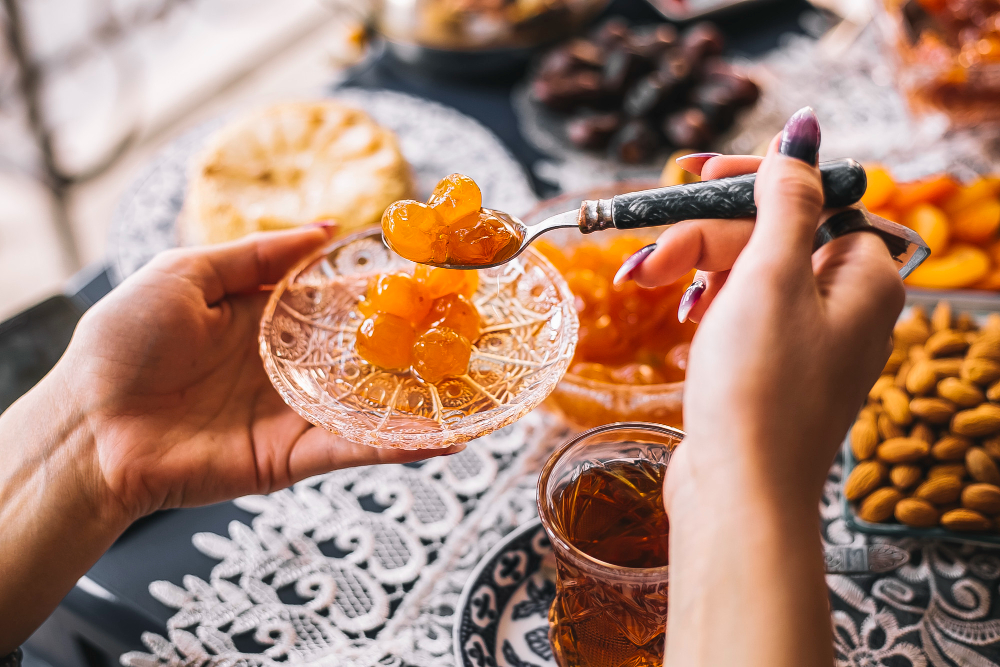
The landscape of Moroccan cuisine is vast and aromatic, a tapestry woven from centuries of Berber, Arab, Andalusian, and Mediterranean influences. While the savory dishes like tagines and couscous often steal the global spotlight, the dessert culture of Morocco offers an equally rich, albeit more intimate, experience. Traditional Moroccan sweets are not merely after-dinner treats; they are central to hospitality, religious celebrations, and social bonding. Contrary to the perception that these delicacies require professional pastry skills or obscure ingredients, many of the most authentic recipes are surprisingly accessible. The essence of Moroccan baking lies less in complex techniques and more in the quality of ingredients and the patience to let flavors meld. By understanding the foundational elements of these sweets, home cooks can recreate the atmosphere of a Marrakech riad or a Fes medina kitchen with relative ease.
The Philosophy of Moroccan Sweetness
To approach Moroccan desserts effectively, one must first understand the flavor profile that defines them. Unlike Western desserts that often rely on heavy creams, chocolate ganaches, or artificial flavorings, traditional Moroccan sweets derive their complexity from natural aromatics. The primary sweetener is almost exclusively honey or sugar syrup, often infused with orange blossom water or rose water. These floral waters are not optional garnishes; they are the soul of the confection, providing a perfume-like quality that distinguishes North African pastry from its European counterparts. The use of orange blossom water in Maghreb cuisine dates back centuries, serving as a bridge between the savory spice blends of a tagine and the delicate finish of a pastry.
Almonds play a pivotal role in this culinary tradition. Morocco is one of the world’s leading producers of almonds, and this abundance is reflected in the sheer volume of almond-based confections. Whether ground into a fine paste for fillings, sliced for garnish, or whole for texture, the almond provides a nutty richness that balances the intense sweetness of the syrups. Alongside almonds, spices such as cinnamon, saffron, and sesame seeds are utilized with precision. The interplay between the warmth of cinnamon and the floral notes of orange blossom creates a sensory experience that is both comforting and exotic. Understanding this balance is crucial for anyone attempting to replicate these flavors, as overpowering one element can disrupt the harmony of the final dish. For those seeking to source authentic ingredients, specialized retailers often provide high-quality Moroccan spices and floral waters that ensure the flavor profile remains true to its origins.
The texture of Moroccan desserts also follows a specific philosophy. Many traditional items are designed to be dipped in tea, specifically the ubiquitous Moroccan mint tea. Consequently, cookies and pastries are often baked to a firm yet tender consistency, allowing them to absorb liquid without disintegrating immediately. This functional aspect of the dessert dictates the ratio of fat to flour and the baking time. A cookie that is too soft would fail in its primary social role, while one that is too hard would be unpleasant to eat. The goal is a structural integrity that yields gracefully under the pressure of a dip, releasing the infused flavors into the tea. This practical consideration underscores the deep connection between food and social ritual in Moroccan culture, where every element of a meal serves a purpose beyond mere sustenance.
Gazelle Horns: The Iconic Almond Crescent
Among the pantheon of Moroccan sweets, the Kaab el Ghazal, or Gazelle Horns, stands as the most recognized and revered. These crescent-shaped pastries consist of a delicate dough shell encasing a dense, aromatic almond paste. Despite their reputation as a sophisticated pastry found in high-end patisseries, the basic version of this recipe is entirely achievable for the home baker. The magic of the Gazelle Horn lies in the contrast between the crisp, flaky exterior and the moist, marzipan-like interior. The dough, typically made from flour, butter, and a hint of orange blossom water, requires careful handling to ensure it remains tender. Overworking the dough can lead to toughness, which detracts from the intended melt-in-the-mouth experience. Detailed guides on traditional dough preparation techniques offer valuable insights into achieving the correct consistency without the need for industrial mixers.
The filling is where the true character of the Gazelle Horn is developed. It begins with blanched almonds, which are ground until they reach a fine, oily paste. This paste is then mixed with sugar, egg whites, and a generous amount of orange blossom water. Some variations include a touch of cinnamon or lemon zest to brighten the flavor profile. The key to a successful filling is ensuring the almond paste is not too dry; it should be pliable enough to shape but firm enough to hold its form within the dough. Once the filling is rolled into logs and encased in the dough, the pastries are shaped into crescents, mimicking the horns of a gazelle. This shaping process is meditative and requires a gentle touch to prevent the dough from cracking. After baking at a low temperature to preserve the pale color of the dough, the pastries are often brushed with a light syrup or dusted with powdered sugar.
For those new to working with almond paste, it is important to note that the quality of the almonds directly impacts the final result. Using fresh, high-fat almonds yields a more luxurious texture than older, dried nuts. In regions where specific Moroccan almond varieties are unavailable, California almonds serve as an excellent substitute due to their similar oil content and mild flavor. The baking process itself is straightforward but demands attention. The oven temperature should be moderate, usually around 350°F (175°C), to cook the pastry through without browning the exterior too deeply. The visual cue for doneness is a very light golden hue on the bottom and a matte finish on top. Resources dedicated to North African baking methods often emphasize the importance of cooling the pastries completely before storing them, as this allows the flavors to settle and the textures to stabilize.
Chebakia: The Sesame and Honey Spiral
Chebakia is perhaps the most visually striking of all Moroccan desserts, characterized by its intricate flower-like shape and deep golden color. These fried cookies are soaked in honey and flavored with sesame seeds, anise, and orange blossom water. Traditionally associated with Ramadan, Chebakia is prepared in large batches and stored in airtight containers, where it improves in flavor over several days. While the shaping of Chebakia can appear daunting due to its lattice design, the dough itself is simple, consisting of flour, sesame seeds, melted butter, vinegar, and yeast. The vinegar acts as a tenderizer, ensuring the fried cookie remains crisp rather than greasy. The incorporation of toasted sesame seeds into the dough provides a nutty crunch that complements the sticky sweetness of the honey glaze. Tutorials on shaping traditional fried pastries break down the folding technique into manageable steps, demonstrating that patience is the only real requirement for mastering this art.
The frying process is critical to the success of Chebakia. The oil must be maintained at a consistent temperature; if it is too hot, the outside will burn before the inside cooks, and if it is too cool, the cookie will absorb excessive oil and become soggy. A deep-fry thermometer is an invaluable tool in this stage, taking the guesswork out of the process. Once fried to a perfect golden brown, the cookies are immediately submerged in warm honey infused with orange blossom water. This soaking step is what gives Chebakia its signature glossy sheen and intense sweetness. The honey penetrates the porous structure of the fried dough, creating a chewy yet crisp texture. The balance between the savory notes of the sesame and the floral sweetness of the honey creates a complex flavor profile that is uniquely Moroccan.
Variations of Chebakia exist across different regions of Morocco. In some areas, walnuts are added to the dough, while in others, the anise flavor is more pronounced. Despite these regional differences, the core components remain the same, highlighting the versatility of the recipe. For health-conscious adaptations, some modern interpretations suggest baking the cookies instead of frying them, though purists argue that this alters the essential texture. However, for those adhering to traditional methods, the fry-and-soak technique is non-negotiable. The resulting cookies are energy-dense and incredibly satisfying, often served in small pieces alongside bitter mint tea to cut through the richness. The longevity of Chebakia makes it an ideal make-ahead dessert for gatherings, as the flavors mature and deepen with time. Comprehensive resources on Ramadan culinary traditions provide further context on the cultural significance of preparing these sweets in advance of the holy month.
Mhancha: The Coiled Snake of Almond Delight
Mhancha, translating to “the snake,” is a show-stopping dessert that looks far more complicated to make than it actually is. This coiled pastry consists of thin layers of dough, known as warqa, wrapped around a continuous rope of almond filling. The result is a spiral cake that is crispy on the outside and soft on the inside, typically glazed with honey and garnished with sliced almonds. The secret to an easy Mhancha lies in the use of store-bought phyllo dough or spring roll wrappers, which serve as an effective substitute for the labor-intensive homemade warqa. This adaptation significantly reduces the preparation time without compromising the authenticity of the flavor. The concept of layering thin dough to create a flaky texture is a hallmark of Maghreb cuisine, and understanding how to handle these delicate sheets is key to success. Guides on working with phyllo dough in Middle Eastern cooking offer practical tips to prevent tearing and ensure even layering.
The filling for Mhancha mirrors that of the Gazelle Horn, utilizing a spiced almond paste. However, for Mhancha, the paste is rolled into a long, thin log rather than individual portions. This log is then placed at the edge of a sheet of dough and rolled up tightly. Multiple rolls are then arranged side-by-side and coiled into a spiral shape, resembling a snake curled up for rest. The seams are sealed with a mixture of egg yolk and water, which also helps to bind the coils together during baking. Before entering the oven, the pastry is brushed with melted butter to ensure a golden, crispy finish. The baking time is relatively short, as the primary goal is to crisp the dough and heat the filling rather than cook raw ingredients. Once baked, the Mhancha is drizzled generously with warm honey and sprinkled with toasted sesame seeds or slivered almonds.
Serving Mhancha is a communal experience. It is typically cut into wedges, much like a pizza, and shared among guests. The spiral design ensures that every slice contains a balanced ratio of flaky dough to rich almond filling. The texture contrast is immediate: the shatteringly crisp outer layers give way to the dense, moist center. This dessert pairs exceptionally well with coffee or tea, as the sweetness is potent but not cloying due to the nuttiness of the almonds. For special occasions, the Mhancha can be decorated with intricate patterns using additional dough scraps or colored sugars, though the classic honey-glazed version remains the most popular. The adaptability of this recipe allows for creative variations, such as adding a layer of apricot jam or incorporating pistachios into the filling. Culinary historians note that the evolution of Mhancha reflects the influence of Ottoman pastry techniques on North African cuisine, showcasing the cross-cultural exchanges that have shaped the region’s food identity.
Sellou: The No-Bake Energy Sphere
In the realm of easy Moroccan desserts, Sellou (also known as Sfouf) holds a unique position as a no-bake confection that is as nutritious as it is delicious. This dense, crumbly mixture is composed of roasted flour, ground almonds, sesame seeds, butter, and honey, bound together with spices like cinnamon and anise. Historically, Sellou was prepared as a high-energy food for travelers and during long fasting periods, particularly in Ramadan. Its shelf-stable nature and caloric density made it an ideal provision for journeys across the desert or mountains. Today, it is enjoyed as a sweet treat or a snack, often shaped into balls or pressed into a pan and cut into squares. The simplicity of its preparation—requiring no oven and minimal equipment—makes it an excellent entry point for those exploring Moroccan sweets. Detailed breakdowns of traditional no-bake North African recipes highlight the importance of properly roasting the flour and seeds to develop the necessary depth of flavor.
The process of making Sellou begins with the careful roasting of the flour. This step is crucial, as raw flour would impart an unpleasant taste and texture. The flour is toasted in a dry pan over low heat until it turns a light golden color and emits a nutty aroma. Similarly, the sesame seeds and almonds are toasted separately to enhance their oils and flavors. Once cooled, these dry ingredients are ground together, often in a food processor, until they reach a coarse, sandy consistency. The binding agent is a mixture of melted butter and honey, which is poured over the dry mix and kneaded by hand until the dough comes together. The ratio of wet to dry ingredients can be adjusted based on personal preference; some prefer a looser, crumblier texture, while others like a firmer ball that holds its shape well.
Sellou is highly customizable, allowing for the inclusion of various nuts, dried fruits, or even chocolate chips in modern variations. However, the traditional recipe relies on the purity of its few ingredients. The flavor profile is earthy and warm, dominated by the toasted notes of the flour and sesame, with the sweetness of the honey providing a smooth backdrop. The addition of cinnamon and anise adds a layer of complexity that prevents the taste from becoming one-dimensional. Because it contains no perishable ingredients like eggs or fresh dairy, Sellou can be stored in an airtight container for several weeks, making it a practical choice for meal prepping or gifting. Its nutritional profile, rich in healthy fats and proteins, has also garnered attention from health enthusiasts looking for natural energy sources. Studies on traditional nutrient-dense foods often cite Sellou as an example of how traditional cuisines naturally balance macronutrients for sustained energy.
Comparative Analysis of Traditional Moroccan Sweets
To assist in selecting the right dessert for a specific occasion or skill level, the following table compares the key characteristics of the four traditional recipes discussed. This overview highlights the differences in preparation time, difficulty, primary flavors, and best serving contexts.
| Feature | Gazelle Horns (Kaab el Ghazal) | Chebakia | Mhancha | Sellou (Sfouf) |
|---|---|---|---|---|
| Primary Texture | Crisp shell, soft almond center | Chewy, crispy, sticky | Flaky layers, dense filling | Crumbly, dense, granular |
| Cooking Method | Baking | Deep-frying and soaking | Baking | No-bake (Pan-roasting) |
| Difficulty Level | Intermediate (Shaping required) | Advanced (Intricate shaping) | Intermediate (Coiling technique) | Beginner (Mixing and kneading) |
| Prep Time | 45–60 minutes | 60–90 minutes | 40–50 minutes | 30–40 minutes |
| Dominant Flavors | Almond, Orange Blossom | Sesame, Honey, Anise | Almond, Butter, Honey | Roasted Flour, Sesame, Cinnamon |
| Best Occasion | Tea time, Elegant gatherings | Ramadan, Festive celebrations | Dinner parties, Special events | Snacking, Travel, Ramadan |
| Shelf Life | 1 week (Airtight) | 2–3 weeks (Airtight) | 2–3 days (Best fresh) | 1 month+ (Airtight) |
| Key Equipment | Rolling pin, Cookie cutter | Deep fryer, Skewers | Baking sheet, Knife | Skillet, Food processor |
This comparison illustrates that while all four desserts share common ingredients like almonds and honey, their textures and preparation methods offer a diverse range of experiences. Gazelle Horns offer a refined elegance suitable for afternoon tea, whereas Chebakia provides a festive, indulgent treat for celebrations. Mhancha serves as a impressive centerpiece for dinner, and Sellou offers a practical, wholesome option for daily consumption or travel. Understanding these distinctions allows the home cook to tailor their baking efforts to the specific needs of their menu or event.
Essential Techniques for Authentic Results
Achieving authentic results in Moroccan baking requires adherence to a few fundamental techniques that govern the texture and flavor of the final product. One of the most critical aspects is the management of moisture. Moroccan doughs are often stiffer than their Western counterparts, relying on the hydration from butter and floral waters rather than milk or heavy creams. This lower moisture content contributes to the crispiness of the baked goods and their ability to withstand soaking in syrup without becoming mushy. When mixing dough, it is advisable to add liquids gradually, stopping as soon as the dough comes together. Over-hydration is a common pitfall that leads to spreading during baking and a loss of structural definition. Expert bakers recommend resting the dough for at least 30 minutes before shaping, allowing the gluten to relax and the flavors to distribute evenly. Resources on dough hydration and resting times provide scientific backing for this traditional practice.
Temperature control is another vital factor, particularly when working with butter-based doughs or frying Chebakia. Butter should be cool but pliable; if it melts prematurely, the dough will become greasy and difficult to handle. In warmer climates, chilling the dough between shaping steps can prevent the butter from softening too quickly. Similarly, maintaining the correct oil temperature for frying is non-negotiable. Fluctuations in heat can lead to uneven cooking, where the exterior burns while the interior remains raw. Using a thermometer and frying in small batches helps maintain a stable temperature. Furthermore, the quality of the honey used for glazing cannot be overstated. Pure, high-quality honey with distinct floral notes will elevate the dessert, whereas processed syrups may result in a one-dimensional sweetness. Seeking out artisanal honey varieties can make a noticeable difference in the final taste profile.
The use of spices and aromatics also demands precision. Unlike savory dishes where spices can be adjusted to taste during cooking, dessert spices are baked in and cannot be corrected afterward. It is generally better to start with a conservative amount of spice, particularly strong ones like anise or saffron, and increase in subsequent batches if desired. Freshly grinding spices just before use releases essential oils that pre-ground spices lack, resulting in a more vibrant flavor. Orange blossom water, while delightful, can easily become soapy if used in excess. A little goes a long way, and it is often best added to the filling or syrup rather than the dough itself to preserve its delicate aroma. These nuances, while subtle, are what distinguish a good homemade version from a truly great one.
Frequently Asked Questions
What is the best substitute for orange blossom water if it is unavailable?
If orange blossom water is difficult to find, rose water is the closest alternative in terms of floral intensity, though the flavor profile will shift slightly. Another option is to use a combination of vanilla extract and a small amount of orange zest to mimic the citrus-floral notes. However, for the most authentic taste, ordering online from specialty spice merchants is recommended, as these extracts are potent and a small bottle lasts for many batches.
Can these desserts be made gluten-free?
Yes, most Moroccan desserts can be adapted for a gluten-free diet. Almond flour can replace wheat flour in the fillings easily. For the doughs, a high-quality gluten-free all-purpose flour blend that includes xanthan gum works well to replicate the elasticity needed for shaping. In the case of Sellou, simply using a gluten-free flour blend for the toasting step yields a nearly identical result, as the texture is naturally crumbly.
How long do these traditional sweets stay fresh?
The shelf life varies by type. Sellou and Chebakia have the longest longevity due to their high sugar and honey content, which act as natural preservatives; they can last up to a month in an airtight container. Gazelle Horns and Mhancha are best consumed within a week, as the dough can lose its crispness over time. Storing them in a cool, dry place away from direct sunlight is essential for maintaining texture.
Is it possible to reduce the sugar content in these recipes?
Traditional Moroccan desserts are inherently sweet, as the sugar and honey are structural components that affect texture and preservation. Reducing sugar significantly can alter the consistency of the filling or the glaze. However, slight reductions (up to 10-15%) are often possible without compromising the structure. Using high-quality honey with a strong flavor can also allow for a reduction in added sugar, as the perceived sweetness remains high.
What is the traditional way to serve these desserts?
The quintessential accompaniment to Moroccan sweets is Moroccan mint tea, which is brewed with fresh spearmint and plenty of sugar. The bitterness of the green tea base and the freshness of the mint provide a perfect counterbalance to the richness of the desserts. Coffee is also a common pairing, particularly with Gazelle Horns. Serving the sweets on a decorative tray with small portions encourages sampling and sharing, reflecting the communal nature of Moroccan hospitality.
Can I freeze these desserts for later use?
Freezing is a viable option for most of these treats, particularly the unbaked doughs. Gazelle Horn and Mhancha doughs can be shaped, frozen raw, and then baked directly from frozen with a few extra minutes added to the baking time. Sellou freezes exceptionally well and can be thawed at room temperature. Fried Chebakia can be frozen after soaking, though the texture may soften slightly upon thawing; reheating them briefly in an oven can help restore crispness.
Are there vegan versions of these recipes?
Many Moroccan desserts are naturally close to vegan, as they rely heavily on plant-based ingredients like almonds, sesame, and flour. The primary non-vegan components are usually butter and egg whites. Vegan butter substitutes work well in the doughs, and aquafaba (chickpea water) can replace egg whites in the almond fillings to act as a binder. With these simple swaps, authentic-tasting vegan versions of Gazelle Horns and Mhancha are entirely achievable.
Conclusion
The world of Moroccan desserts offers a delightful intersection of history, culture, and culinary artistry that is accessible to cooks of all skill levels. From the elegant curves of the Gazelle Horn to the rustic simplicity of Sellou, each recipe tells a story of a region that values hospitality and the sharing of sweetness. The misconception that these treats require professional expertise is dispelled when one breaks down the processes into their fundamental steps: quality ingredients, precise techniques, and a respect for tradition. By mastering the balance of floral waters, toasted nuts, and rich honey, home bakers can bring a piece of Moroccan warmth into their own kitchens.
The journey into Moroccan baking is not just about following a recipe; it is about engaging with a culinary philosophy that prioritizes sensory harmony and communal enjoyment. Whether preparing a batch of Chebakia for a festive gathering or shaping Mhancha for a quiet evening tea, the process invites a slower, more mindful approach to cooking. The rewards are manifold: desserts that are not only delicious but also steeped in centuries of tradition. As readers experiment with these recipes, they are encouraged to embrace the nuances of the ingredients and the rhythms of the techniques. With practice, the art of making these traditional sweets becomes second nature, offering a lifetime of sweet possibilities and a deeper appreciation for the rich tapestry of North African cuisine. The next step is simply to gather the ingredients, brew a pot of mint tea, and begin the rewarding process of creation.