

The modern kitchen often faces a paradox: the desire for homemade, high-quality sweets clashes with the constraints of time, equipment, and energy. Traditional baking requires precise measurements, preheating ovens, waiting for doughs to rise, and monitoring temperatures—luxuries that are not always available on a busy Tuesday evening or during an impromptu gathering. This is where the realm of no-bake desserts shines. These creations are not merely shortcuts; they represent a distinct culinary discipline that relies on chemistry, texture manipulation, and the strategic use of chilling rather than heat. Mastering these recipes allows anyone to produce restaurant-quality confections with minimal effort, transforming simple pantry staples into sophisticated treats.
The Science of Setting Without Heat
Understanding how no-bake desserts achieve their structure is the first step toward mastery. Unlike baked goods, which rely on the coagulation of proteins and the gelatinization of starches through heat, no-bake treats depend on alternative setting agents. The most common of these are gelatin, agar-agar, pectin, and the natural solidification of fats like butter, cream cheese, and chocolate. When chocolate is melted and then cooled, the cocoa butter crystals reform, creating a solid structure. Similarly, when heavy cream is whipped, air is incorporated, and the fat globules clump together to form a stable foam that holds its shape.
For fruit-based desserts, pectin—a natural fiber found in fruits—acts as a gelling agent when combined with sugar and acid. This principle is evident in classic fruit tarts where a glaze holds fresh berries in place. For vegan or vegetarian adaptations, agar-agar, derived from seaweed, provides a firm set that mimics gelatin but requires boiling to activate before it sets upon cooling. The Institute of Food Technologists provides extensive research on how these hydrocolloids interact with water and sugar to create specific textures, knowledge that is crucial for troubleshooting recipes that fail to set. By manipulating temperature and ingredient ratios, one can control whether a dessert is creamy, firm, or airy without ever turning on an oven.
Essential Equipment and Pantry Staples
Success in no-bake cooking begins with having the right tools and ingredients ready. While the equipment list is shorter than that for traditional baking, precision remains vital. A high-quality food processor is indispensable for crushing cookies into uniform crumbs for crusts, ensuring a consistent texture that binds well with butter. Digital kitchen scales are preferred over volume measurements for ingredients like chocolate and cream cheese, as slight variations can alter the setting properties of the final product. The American Culinary Federation emphasizes that professional results stem from accurate measurement and proper tool usage, even in simplified recipes.
The pantry must be stocked with specific high-fat ingredients that provide structure. Heavy whipping cream with at least 36% milk fat is non-negotiable for mousses and chiffons; lower fat alternatives will not whip to the necessary stiffness. Full-fat cream cheese offers the tang and density required for cheesecakes, while high-quality couverture chocolate ensures a glossy finish and a clean snap. Gelatin sheets or powder must be fresh, as old gelatin loses its blooming power. Sweetened condensed milk is another cornerstone, providing both sweetness and a thick, creamy body due to its reduced water content. Having these components on hand transforms the idea of a dessert from a hours-long project into a fifteen-minute assembly task.
The Architecture of the Perfect Crust
The foundation of many no-bake desserts, particularly cheesecakes and pies, is the crust. Without the binding effect of baked eggs or flour, the crust relies entirely on the ratio of fat to dry ingredients. The standard approach involves crushing digestive biscuits, graham crackers, or chocolate wafers into fine crumbs and mixing them with melted unsalted butter. The general rule of thumb is approximately three parts crumbs to one part butter by weight. This ratio ensures that every crumb is coated, allowing the mixture to compact tightly without being greasy.
Pressing the crust firmly into the pan is a critical step often overlooked. Using the bottom of a flat glass or a measuring cup, the mixture must be compressed with significant force against the bottom and up the sides of the pan. This compaction eliminates air pockets and creates a solid base that will not crumble when sliced. For those seeking a gluten-free option, almond flour mixed with coconut oil and a binder like honey can create a sturdy, nutrient-dense alternative. The Gluten Intolerance Group notes that alternative flours behave differently under pressure, often requiring slightly more fat to achieve cohesion. Once formed, the crust should be chilled for at least twenty minutes to allow the fat to solidify before any filling is added, preventing the two layers from mixing.
Mastering the Creamy Filling
The heart of a no-bake dessert is its filling, which must balance richness with stability. The classic no-bake cheesecake filling relies on the emulsion of cream cheese, sugar, and flavorings, lightened by folded-in whipped cream. It is imperative that the cream cheese is fully softened to room temperature before mixing; cold cream cheese results in lumps that are impossible to remove without overworking the mixture, which can break down the structure. Mixing should be done at low speeds to avoid incorporating too much air, which can cause the filling to collapse later.
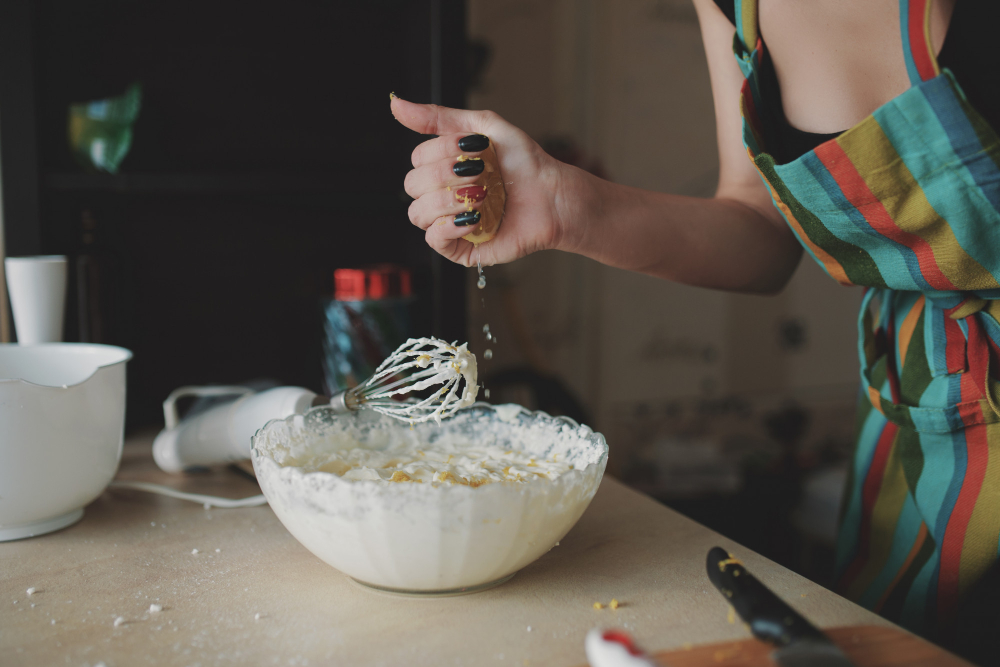
Whipped cream serves as the leavening agent in these recipes. To achieve maximum volume and stability, the bowl and beaters should be chilled beforehand. The cream is whipped to stiff peaks, meaning it holds its shape when the beaters are lifted. This aerated cream is then gently folded into the heavier cream cheese mixture using a spatula with a cutting and turning motion. This technique preserves the air bubbles that give the dessert its light, mousse-like texture. Over-mixing at this stage deflates the cream, resulting in a dense, heavy filling. For added stability, especially in warmer climates, a small amount of instant pudding mix or dissolved gelatin can be added to the cream before whipping, a trick often recommended by pastry chefs to ensure the slices hold their shape perfectly.
Chocolate: The Versatile Setting Agent
Chocolate is perhaps the most forgiving and versatile ingredient in the no-bake arsenal. Its ability to melt smoothly and reset firmly makes it ideal for truffles, pots de crème, and salami-style desserts. The key to working with chocolate is understanding tempering, although full tempering is not always necessary for no-bake applications where a matte finish is acceptable. However, melting chocolate correctly is essential to prevent seizing, where the chocolate becomes grainy and hard. This occurs when even a drop of water comes into contact with melting chocolate.
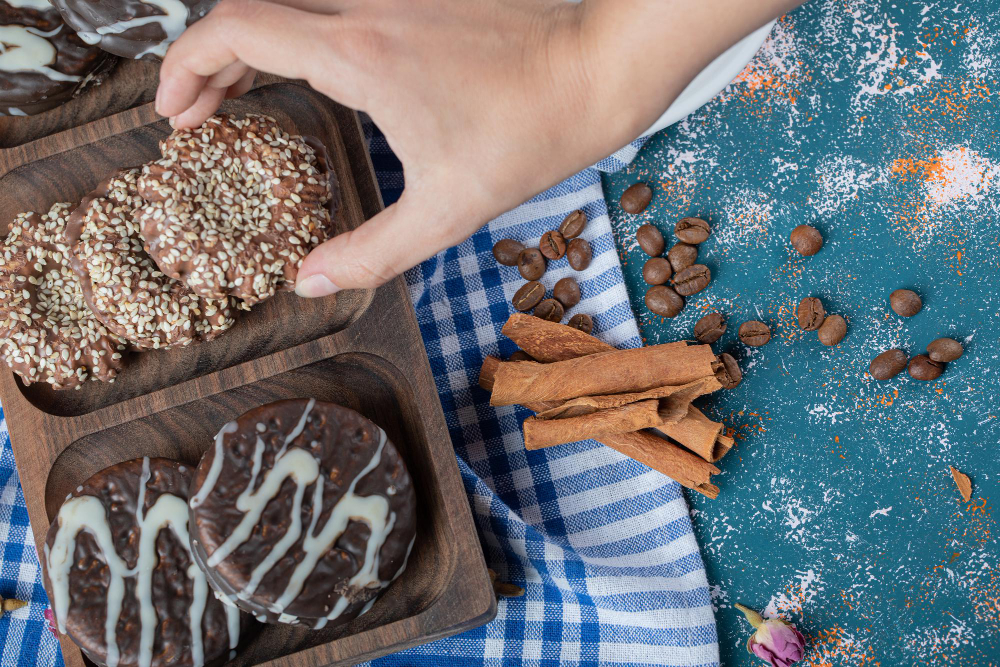
Using a double boiler or a microwave in short bursts ensures gentle, even heating. Once melted, chocolate can be combined with heavy cream to create ganache, a rich mixture that sets to a fudge-like consistency as it cools. The ratio of chocolate to cream dictates the final texture: equal parts yield a soft ganache suitable for pouring over cakes, while two parts chocolate to one part cream creates a firm mixture that can be rolled into truffles. The National Confectioners Association highlights that the quality of cocoa butter in the chocolate directly influences the mouthfeel and melting point of the final dessert. Adding a pinch of sea salt or a splash of espresso can enhance the chocolate flavor, cutting through the sweetness and adding complexity to the profile.
Fruit-Forward Freshness
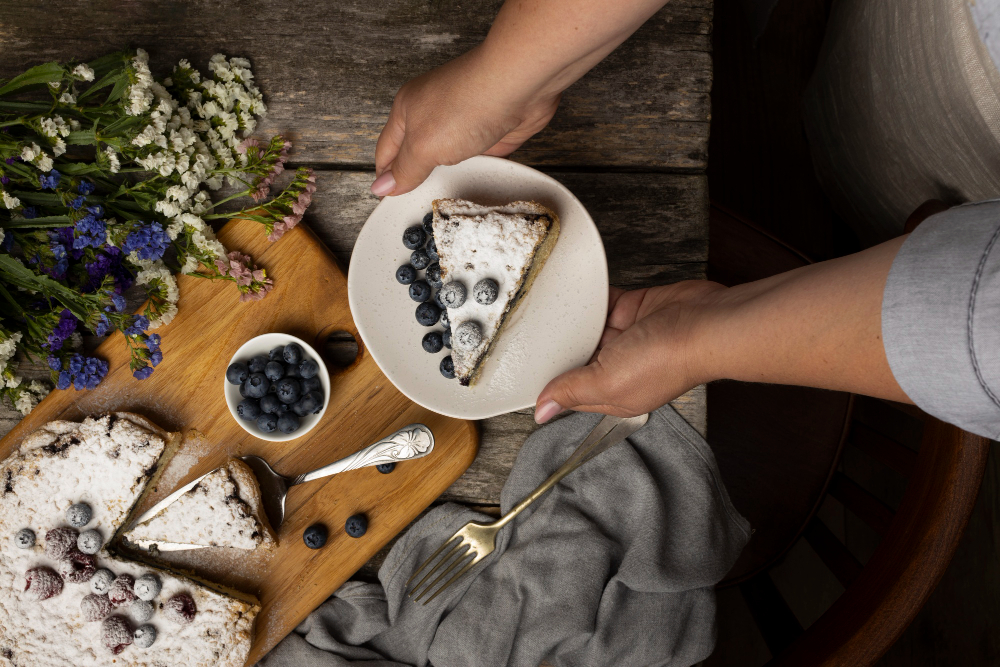
No-bake desserts offer a unique opportunity to showcase fresh fruit without the risk of it becoming mushy or losing its vibrant color through baking. Fruit tarts, parfaits, and icebox cakes rely on the natural juices and textures of seasonal produce. When using fresh fruit, moisture management is critical. Excess water from washed berries can dilute fillings and soggy crusts. Therefore, fruits should be dried thoroughly before assembly. For toppings, a thin layer of apricot jam or a neutral glaze brushed over the fruit not only adds shine but also seals in moisture and prevents oxidation.
Citrus-based desserts, such as key lime pie or lemon icebox cake, utilize the acidity of the fruit to thicken sweetened condensed milk. This reaction, similar to the science behind ceviche, causes the proteins in the dairy to coagulate slightly, creating a custard-like texture without heat. This method requires patience, as the setting process happens slowly in the refrigerator over several hours. The University of California Agriculture and Natural Resources provides data on the acidity levels of various citrus fruits, noting that sufficient acid is required to trigger the thickening process effectively. Incorporating zest along with the juice amplifies the aromatic oils, providing a burst of flavor that complements the creamy base.
Texture Contrast and Layering
A truly exceptional dessert engages multiple senses, and texture contrast is paramount. A smooth, velvety mousse becomes monotonous without a crunchy element to interrupt the palate. This is where strategic layering comes into play. Incorporating layers of crushed nuts, toasted coconut, or brittle between creamy sections adds dimension. For example, a chocolate silk pie gains sophistication when topped with a layer of hazelnut praline or served alongside a tuile cookie.
Visual appeal is equally important. Clear glass vessels, such as parfait glasses or mason jars, allow the layers of a dessert to be seen, turning the presentation into part of the experience. Alternating colors—dark chocolate mousse with white cream, or vibrant strawberry puree with vanilla custard—creates a striking visual rhythm. The use of garnishes should be intentional; a sprig of mint, a dusting of cocoa powder, or a few gold leaf flakes can elevate a simple home dessert to a professional standard. The goal is to create a composition where every bite offers a balanced interplay of soft, crisp, creamy, and chewy elements.
Comparative Analysis of No-Bake Techniques
To better understand the nuances of different no-bake methods, the following table compares the primary techniques used in creating these desserts. This overview highlights the setting mechanisms, preparation times, and ideal applications for each approach.
| Technique | Primary Setting Agent | Preparation Time | Chill Time | Best Used For | Texture Profile |
|---|---|---|---|---|---|
| Cream Cheese & Whipped Cream | Fat solidification & Air incorporation | 15–20 mins | 4–6 hours | Cheesecakes, Mousses | Light, airy, creamy |
| Chocolate Ganache | Cocoa butter crystallization | 10–15 mins | 2–4 hours | Truffles, Pots de Crème | Dense, rich, fudgy |
| Gelatin/Agar Suspension | Hydrocolloid gelling | 20–30 mins | 3–5 hours | Panna Cotta, Fruit Molds | Firm, jiggly, smooth |
| Acid-Coagulated Dairy | Acid reaction with proteins | 10 mins | 6–8 hours | Key Lime Pie, Lemon Bars | Custard-like, tangy |
| Cookie/Icebox Layering | Moisture absorption & Fat binding | 15 mins | 8–12 hours | Icebox Cake, Tiramisu | Soft, cake-like, layered |
This comparison illustrates that while all these methods avoid the oven, they require different planning horizons regarding chilling time. Recipes relying on gelatin or acid coagulation generally need longer setting times compared to those based purely on fat solidification. Understanding these differences allows for better menu planning, ensuring that the dessert is ready precisely when needed.
Troubleshooting Common Pitfalls
Even with straightforward recipes, issues can arise. The most frequent complaint with no-bake cheesecakes is a filling that remains runny. This is almost always due to the cream cheese being too cold during mixing or the whipped cream being under-whipped. If the cream cheese is not smooth, it creates pockets of density that prevent the filling from setting uniformly. Another common issue is a soggy crust. This occurs if the filling is too wet or if the crust was not pre-chilled adequately. Creating a moisture barrier by brushing the crust with a thin layer of melted chocolate before adding the filling can prevent sogginess, a technique widely used in professional patisseries.
For fruit desserts, weeping or separation of liquid can occur if the fruit releases too much juice. Macerating fruit in sugar beforehand draws out excess moisture, which can then be drained or reduced into a syrup. If a gelatin-based dessert turns out rubbery, it indicates an excess of gelling agent; conversely, if it fails to set, the gelatin may have been exposed to boiling temperatures, which destroys its setting power, or the ratio of liquid to gelatin was too high. The Food and Drug Administration (FDA) guidelines on food safety also remind home cooks that dairy-based no-bake desserts must be kept refrigerated at all times, as they lack the preservative effect of high-heat baking and are more susceptible to bacterial growth if left at room temperature for extended periods.
Flavor Innovation and Global Inspirations
While classic flavors like vanilla, chocolate, and strawberry are timeless, exploring global inspirations can bring novelty to no-bake desserts. Matcha, a finely ground green tea powder from Japan, offers a vibrant color and earthy bitterness that pairs beautifully with white chocolate and red beans. Coconut milk, a staple in Southeast Asian cuisine, can replace dairy cream for a tropical, vegan-friendly mousse infused with lemongrass or pandan. Spices such as cardamom, saffron, and cinnamon can be steeped into warm cream before whipping, imparting deep, aromatic notes without altering the texture.
Savory-sweet combinations are also gaining traction. A hint of olive oil in a chocolate mousse or a sprinkle of flaky sea salt on a caramel tart enhances the overall flavor profile by contrasting sweetness with richness or salinity. Incorporating herbs like basil or thyme into fruit compotes adds a sophisticated layer of complexity. The Specialty Food Association tracks trends indicating a rising consumer interest in globally inspired, artisanal flavors, suggesting that home cooks can experiment with these profiles to create unique signature desserts. The versatility of the no-bake format makes it an ideal playground for such experimentation, as flavors can be tested in small batches without the commitment of a full baking project.
Nutritional Considerations and Modifications
For those mindful of nutritional intake, no-bake desserts offer ample opportunities for modification without sacrificing taste. Natural sweeteners like maple syrup, agave nectar, or date paste can replace refined sugars, though adjustments to liquid ratios may be necessary to maintain the correct consistency. Greek yogurt can substitute for a portion of the cream cheese to increase protein content and reduce fat, provided a stabilizer like gelatin is added to compensate for the lower fat content. Nut butters, such as almond or cashew butter, can serve as the base for raw energy balls, offering healthy fats and fiber.
Gluten-free and vegan adaptations are straightforward in the no-bake realm. Gluten-free cookies or almond meal work perfectly for crusts, while coconut cream serves as an excellent substitute for heavy whipping cream in vegan recipes. The key is to ensure that the substitute ingredients have similar fat contents and setting properties to the originals. Reading labels carefully is essential, as some processed ingredients may contain hidden allergens or non-vegan additives. The Academy of Nutrition and Dietetics emphasizes that modifying recipes to fit dietary needs should not compromise food safety or nutritional balance, encouraging the use of whole, minimally processed ingredients whenever possible.
Frequently Asked Questions
Why did my no-bake cheesecake turn out runny?
A runny no-bake cheesecake is typically caused by one of three factors: the cream cheese was not sufficiently softened before mixing, leading to lumps and uneven distribution; the heavy cream was not whipped to stiff peaks before folding, resulting in insufficient structure; or the dessert did not chill for a long enough duration. Ensuring ingredients are at the correct temperature and allowing at least six hours, preferably overnight, for setting in the refrigerator usually resolves this issue.
Can I freeze no-bake desserts?
Yes, many no-bake desserts freeze well, particularly those based on chocolate ganache or cream cheese. However, desserts with high water content, such as those with fresh fruit layers or gelatin, may suffer textural changes upon thawing, becoming watery or grainy. It is best to freeze the dessert without fresh fruit toppings and add them after thawing. Thawing should be done slowly in the refrigerator to maintain the emulsion and texture.
How do I make a no-bake dessert vegan?
To make a no-bake dessert vegan, replace dairy cream cheese with cashew-based or coconut-based alternatives and use full-fat coconut cream instead of heavy whipping cream. Ensure the chocolate used is dairy-free. For gelling agents, substitute gelatin with agar-agar, keeping in mind that agar sets firmer and requires boiling to activate. Sweeteners should be verified as vegan, avoiding honey if strict adherence is required.
What is the difference between gelatin and agar-agar?
Gelatin is derived from animal collagen and creates a soft, melt-in-the-mouth texture that melts at body temperature. Agar-agar is plant-based, derived from seaweed, and sets much firmer with a higher melting point, meaning it does not melt as easily in the mouth. Recipes using agar-agar generally require less quantity than those using gelatin, and the activation process differs significantly, with agar needing to be boiled for a few minutes to work effectively.
How long can no-bake desserts be stored?
Due to their high dairy and moisture content, no-bake desserts are perishable and should be stored in an airtight container in the refrigerator. Most cream cheese and whipped cream-based desserts last for 3 to 5 days. Chocolate-based treats may last up to a week. Desserts containing fresh fruit should be consumed within 2 to 3 days as the fruit will begin to degrade and release moisture. Freezing can extend the shelf life to one or two months for suitable varieties.
Can I use margarine instead of butter for the crust?
While margarine can be used, it is not recommended for the best results. Butter has a higher fat content and a lower water content than most margarines, which helps the crust bind tightly and remain crisp. Margarine often contains more water, which can lead to a soggy or greasy crust. If a dairy-free option is needed, coconut oil is a superior substitute as it solidifies firmly when chilled, mimicking the structural properties of butter.
Conclusion
The world of no-bake desserts offers a sophisticated avenue for culinary creativity that dispels the myth that impressive sweets require hours of oven time. By leveraging the natural properties of fats, gelling agents, and temperature control, home cooks can produce textures and flavors that rival those of professional patisseries. The key lies in respecting the science behind the ingredients: ensuring proper emulsification, achieving the correct whip consistency, and allowing adequate time for the setting processes to occur. From the structural integrity of a well-compacted crust to the delicate fold of whipped cream into a dense filling, every step contributes to the final sensory experience.
These desserts are not merely about convenience; they represent a shift towards mindful cooking that values ingredient quality and technique over complexity. Whether utilizing the rich depth of high-cocoa chocolate, the bright acidity of fresh citrus, or the exotic notes of global spices, the possibilities are boundless. As consumers increasingly seek transparency in their food and value homemade authenticity, mastering these techniques empowers individuals to create memorable moments around the table without the stress of traditional baking. With the right knowledge and a few essential tools, the art of the no-bake dessert becomes an accessible, rewarding, and delicious pursuit for any kitchen.