

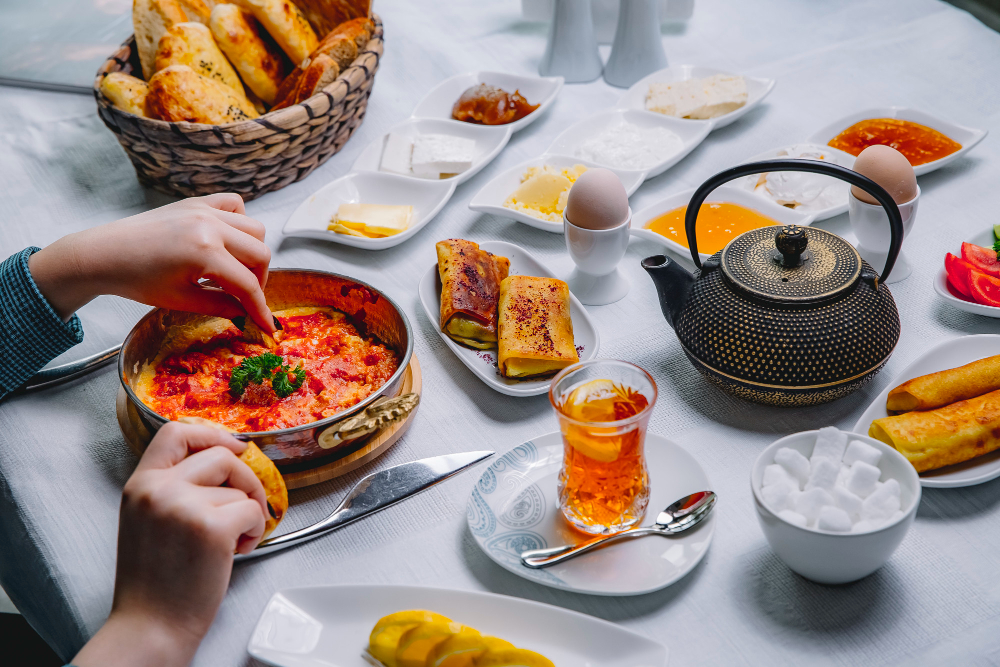
The morning light in Morocco does not merely illuminate a room; it signals a communal ritual that has persisted for centuries. Breakfast, known as ftour (distinct from the evening meal during Ramadan which shares the name), is not a rushed affair grabbed on the go. It is a deliberate pause, a moment where the household gathers to share bread, oil, honey, and tea. Recreating this experience at home offers more than just a meal; it provides a gateway into a culinary tradition that balances simplicity with profound depth of flavor. The essence of a Moroccan breakfast lies not in complex techniques or expensive equipment, but in the quality of staple ingredients and the patience to let flavors meld. From the flaky layers of Msemen to the dense sweetness of Amlou, these dishes represent a heritage of hospitality that can be authentically replicated in any kitchen with the right guidance and respect for tradition.
The Foundation: Bread as the Centerpiece
In many Western breakfast traditions, bread is often a side item or a vessel for toppings. In Morocco, bread is the protagonist. The table is incomplete without a fresh loaf, and the variety available reflects the regional diversity of the country. Understanding the specific characteristics of each bread type is crucial for an authentic setup, as the texture dictates how it interacts with dips and spreads.
The most ubiquitous presence on the morning table is Khobz, a round, rustic loaf made from semolina or a blend of semolina and white flour. Unlike standard sandwich loaves, Khobz has a chewy interior and a slightly crisp crust, designed specifically for tearing by hand rather than slicing with a knife. This bread is engineered to soak up olive oil and honey without disintegrating immediately, a functional design born from centuries of dining customs. For those baking at home, achieving the correct hydration level is key to mimicking the airy crumb found in traditional Moroccan bakeries, where wood-fired ovens impart a subtle smokiness that is difficult to replicate in standard home ovens. Detailed guides on semolina hydration and fermentation can be found through resources like The Fresh Loaf, which offers scientific breakdowns of dough behavior essential for mastering North African breads.
Beyond the standard loaf, Batbout offers a different textural experience. These are small, pocketed breads cooked on a stovetop griddle rather than baked in an oven. Their soft, spongy texture makes them ideal for stuffing with cheese, herbs, or leftover meats, functioning similarly to a pita but with a distinctively softer bite. The cooking method requires careful temperature control; too hot, and the exterior burns before the inside cooks; too cool, and the pocket fails to form. Mastery of Batbout provides a versatile base for savory breakfast compositions, allowing for endless customization based on available pantry staples.
Then there is Msemen, the square, laminated flatbread that often draws the most attention from those new to the cuisine. Msemen is akin to a cross between a croissant and a paratha, featuring dozens of thin, buttery layers that separate upon cooking. The process involves stretching the dough until it is nearly translucent, folding it into a square, and then frying it gently on a griddle. While labor-intensive, the result is a flaky, rich pastry that serves as a perfect canvas for both sweet and savory toppings. The technique of layering fat into the dough is similar to methods used in other global cuisines, yet the specific handling of the dough to achieve the signature square shape is uniquely Moroccan. Culinary institutes often reference the importance of resting the dough to relax the gluten, a step that cannot be skipped if one hopes to achieve the necessary elasticity for stretching.
Another staple is Harcha, a dense, cornmeal-based bread that is pan-fried until golden. Harcha has a gritty, satisfying texture that pairs exceptionally well with soft cheeses or creamy spreads. Because it relies on coarse semolina or cornmeal, it is naturally gluten-lighter than wheat-based breads, though not entirely gluten-free unless certified grains are used. Its preparation is straightforward, requiring no yeast or rising time, making it an excellent option for a quicker morning routine while still maintaining authenticity. The simplicity of Harcha highlights a core principle of Moroccan cooking: transforming basic agricultural products into comforting, sustaining food through simple heat and fat.
For those seeking to understand the historical and cultural weight of bread in the region, academic and cultural resources such as UNESCO’s Intangible Cultural Heritage lists often document the social practices surrounding Mediterranean diets, providing context on why bread sharing is considered a sacred act of community bonding.
Sweet Symphonies: Honey, Amlou, and Olive Oil
Once the bread is secured, the next critical component is the spread. The Moroccan sweet breakfast is defined by a triumvirate of flavors: honey, olive oil, and almonds. These are rarely eaten in isolation; instead, they are combined in specific ways to create balanced profiles of sweetness, richness, and earthiness.
Amlou is perhaps the most iconic of these spreads, often described as Moroccan almond butter. However, this description barely scratches the surface. Amlou is a emulsion of blanched almonds, toasted to perfection, ground into a paste, and then blended with high-quality argan oil and honey. The result is a dip that is nutty, slightly bitter from the argan, and sweetened naturally by the honey. The texture should be smooth yet retain a slight graininess from the almonds, distinguishing it from commercial peanut butters which are often overly processed and homogenized. Making Amlou at home allows for control over the quality of the argan oil, which is the defining ingredient. Authentic argan oil is produced exclusively in southwestern Morocco and is protected by geographical indication status. When sourcing ingredients, looking for certifications ensures that the oil is pure and ethically sourced, supporting the women’s cooperatives that traditionally produce it. Further information on the production and benefits of argan oil can be explored through [Fair Trade Federation](https://fairtrade federation.org) members who specialize in North African goods.
The role of honey in the Moroccan breakfast cannot be overstated. It is not merely a sweetener but a flavor enhancer that varies by region and floral source. Thyme honey, eucalyptus honey, and orange blossom honey each bring distinct aromatic notes that can change the character of the entire meal. In a traditional setting, honey is often drizzled generously over bread that has already been dipped in olive oil, creating a glossy, rich mouthfeel. The interplay between the fruity peppery notes of extra virgin olive oil and the floral sweetness of honey creates a complex flavor profile that satisfies the palate without being cloyingly sugary. Selecting a raw, unfiltered honey preserves the enzymatic properties and nuanced flavors that pasteurized versions often lack.
Olive oil itself is treated with reverence. In many households, a small bowl of premium extra virgin olive oil sits alongside the honey jar. Dipping fresh bread directly into the oil, perhaps with a pinch of sea salt or a drizzle of honey, is a common practice. The quality of the oil is paramount; a robust, early-harvest oil with high polyphenol content stands up well to the strong flavors of whole wheat breads and dense honey. The health benefits of this combination are well-documented, forming a cornerstone of the Mediterranean diet which is celebrated for its cardiovascular benefits. Nutritional analyses from institutions like the Oldways Preservation Trust highlight how the combination of healthy fats and natural sugars provides sustained energy release, avoiding the blood sugar spikes associated with refined sugar breakfasts.
Another sweet option is Chebakia, a sesame cookie shaped into intricate baskets or flowers and fried then soaked in honey. While often associated with celebrations and Ramadan, smaller versions or broken pieces frequently appear on breakfast tables, especially when guests are present. These cookies are dense, chewy, and intensely sweet, usually enjoyed in small quantities alongside bitter mint tea to balance the sugar. Making Chebakia at home is a project of patience, involving the shaping of dough strips into complex patterns before frying. While not an everyday item due to the effort involved, it represents the festive spirit of Moroccan hospitality and adds a special touch to a weekend brunch.
Savory Delights: Eggs, Olives, and Herbs
Not every Moroccan morning is dedicated to sweets. Savory options provide a robust alternative, particularly for those who prefer a protein-heavy start to the day. These dishes are characterized by the liberal use of spices, preserved lemons, and olives, creating bright, punchy flavors that awaken the senses.
Shakshuka, though shared across North Africa and the Middle East, holds a special place in the Moroccan morning repertoire. This dish consists of eggs poached in a simmering sauce of tomatoes, peppers, onions, and garlic, heavily spiced with cumin, paprika, and cayenne. The key to an exceptional Shakshuka lies in the reduction of the tomato sauce; it must be thick and concentrated so that it clings to the eggs rather than pooling watery around them. Variations abound, with some regions adding merguez sausage, spinach, or feta-like cheeses. The dish is typically served directly from the pan, with warm bread used to scoop up the saucy eggs. The versatility of Shakshuka makes it a favorite for using up garden vegetables, aligning with the sustainable practice of eating seasonally. For those interested in the science of egg coagulation in acidic environments, culinary science resources like Serious Eats offer deep dives into the chemistry that ensures perfect poaching every time.
Olives are another non-negotiable element of the savory spread. Morocco produces some of the world’s finest olives, cured in methods that range from salt-brining to water-curing. A breakfast plate will almost always feature a small bowl of mixed olives—green, purple, and black—often marinated with garlic, lemon slices, and herbs. These olives provide a salty, briny counterpoint to the richness of bread and oil. The variety known as Picholine is particularly prized for its firm texture and nutty flavor. Incorporating high-quality cured olives into a home breakfast setup instantly elevates the authenticity of the meal. Understanding the curing process helps in selecting the right type; for instance, water-cured olives tend to be less salty but more bitter, while brine-cured ones offer a sharper saline kick.
Msemen also finds a home in the savory category. When prepared without sugar, these flaky squares can be stuffed with a mixture of spiced ground meat, onions, and parsley, resembling a hybrid between a pancake and a savory pie. Alternatively, they can be served plain alongside a bowl of harira soup or a simple salad of chopped tomatoes and cucumbers dressed with cumin and olive oil. This duality of Msemen demonstrates the flexibility of Moroccan doughs, which are designed to adapt to the diner’s preference for sweet or savory.
Fresh herbs play a pivotal role in balancing these savory dishes. Mint, parsley, and cilantro are not just garnishes but integral ingredients that add freshness and cut through the heaviness of oils and eggs. A simple salad of diced tomatoes, cucumbers, and onions, tossed with ample parsley and a cumin-infused vinaigrette, is a standard accompaniment. This salad, often called Salade Marocaine, provides a crunchy, hydrating element that complements the denser breads and cooked dishes. The emphasis on fresh, raw vegetables in the morning underscores the holistic approach to nutrition in the region, where fiber and vitamins are prioritized alongside carbohydrates and fats.
The Ritual of Mint Tea
No discussion of a Moroccan breakfast is complete without addressing the beverage that ties the meal together: Moroccan Mint Tea, affectionately known as Atay. This is not merely a drink; it is a ceremony that dictates the pace of the meal. The tea is made from green gunpowder tea, fresh spearmint leaves, and a significant amount of sugar, traditionally poured from a height to create a frothy head known as the turban.
The preparation of Atay requires specific tools and techniques. A silver or stainless steel teapot is heated, and the gunpowder tea is rinsed briefly to remove dust and reduce bitterness. Fresh mint bunches are added along with sugar cones or cubes, and boiling water is poured in. The mixture is then steeped and poured back and forth between the pot and glasses to aerate the liquid and blend the flavors. The pouring height is not for show; it oxygenates the tea, enhancing the aroma and cooling it slightly to a drinkable temperature while maintaining the froth. The taste profile is intensely sweet and herbaceous, acting as a digestive aid and a palate cleanser between bites of rich bread and oily dips.
The social aspect of tea cannot be ignored. It is customary for the head of the household to pour the tea, serving guests first. Refusing a glass can be seen as impolite, and it is common to drink three glasses, each with a evolving flavor profile: the first is said to be as gentle as life, the second as strong as love, and the third as bitter as death. While the poetic interpretation varies, the ritual ensures that the breakfast lasts long enough for conversation and connection. For those replicating this at home, investing in a traditional teapot and sourcing high-quality Chinese gunpowder tea and fresh spearmint is essential. The [Specialty Tea Institute](https://www.specialtytea institute.org) provides guidelines on selecting premium loose-leaf teas that can withstand the rigorous brewing method required for authentic Moroccan tea.
Comparative Overview of Traditional Breakfast Items
To assist in planning a Moroccan-inspired morning, the following table outlines the key characteristics, preparation times, and flavor profiles of the primary dishes discussed. This comparison helps in selecting the right combination based on available time and dietary preferences.
| Dish Name | Primary Base | Flavor Profile | Preparation Time | Texture | Best Paired With |
|---|---|---|---|---|---|
| Khobz | Semolina/Wheat Flour | Mild, Wheaty, Earthy | High (Rising + Baking) | Chewy interior, Crisp crust | Olive oil, Honey, Amlou |
| Msemen | White Flour, Butter | Buttery, Rich, Flaky | Medium-High (Layering) | Flaky, Layered, Soft | Honey, Cheese, Spiced Meat |
| Batbout | White Flour/Semolina | Neutral, Slightly Sweet | Medium (Stovetop) | Spongy, Pocketed | Fillings, Harissa, Oil |
| Harcha | Cornmeal/Semolina | Nutty, Corn-forward | Low (Pan-fry) | Dense, Gritty, Crumbly | Soft Cheese, Jam, Butter |
| Shakshuka | Eggs, Tomatoes | Spicy, Acidic, Savory | Medium (Simmering) | Saucy, Creamy (eggs) | Crusty Bread, Cilantro |
| Amlou | Almonds, Argan Oil | Nutty, Bitter-Sweet | Medium (Grinding) | Smooth Paste | Bread, Fruit, Pancakes |
| Chebakia | Sesame, Flour, Honey | Very Sweet, Sesame | High (Frying + Soaking) | Chewy, Dense | Mint Tea (to balance) |
This table illustrates that while some items like Harcha offer a quick solution for busy mornings, others like Msemen and Chebakia are better suited for leisurely weekends where the cooking process is part of the enjoyment. The diversity ensures that the Moroccan breakfast tradition is adaptable to various lifestyles without sacrificing authenticity.
Sourcing Ingredients and Modern Adaptations
Achieving authenticity in a home kitchen outside of Morocco often hinges on ingredient sourcing. While staples like flour and eggs are universally available, specific items like argan oil, preserved lemons, and gunpowder tea require mindful selection. Argan oil, in particular, should be purchased from reputable suppliers who verify its origin. Adulterated argan oil is a common issue in the global market, often mixed with cheaper vegetable oils. Looking for labels that specify “100% Pure Argan Oil” and indicate the cooperative of origin helps ensure quality. Organizations like UCOALIM (Union of Cooperatives of Women of Argan Oil) certify many genuine producers, offering a reliable pathway for consumers to access authentic products.
Preserved lemons are another ingredient that defines the savory profile of many dishes. While they can be bought jarred, making them at home is a simple process of packing lemons in salt and their own juice for several weeks. This DIY approach not only guarantees the absence of preservatives but also allows for customization with additional spices like bay leaves or peppercorns. The fermentation process softens the rind and transforms the harsh acidity of the lemon into a mellow, umami-rich condiment that elevates tagines and salads alike.
For those with dietary restrictions, the Moroccan breakfast offers natural avenues for adaptation. The heavy reliance on semolina and cornmeal means that many breads are lower in gluten than pure wheat loaves, though not suitable for Celiac disease unless specific gluten-free grains are substituted. Vegan adaptations are seamless, as many traditional items like Msemen (made with vegetable oil instead of butter), Harcha, and Amlou are naturally plant-based. The focus on whole foods, nuts, seeds, and vegetables aligns perfectly with modern nutritional trends emphasizing whole-food, plant-forward diets.
Modern kitchens can also leverage technology to streamline traditional processes. Stand mixers can handle the kneading of heavy semolina doughs, reducing physical effort, while electric griddles provide consistent heat for cooking Batbout and Msemen evenly. However, purists argue that the tactile feedback of hand-stretching dough and the visual cue of flame intensity on a gas stove contribute to the final quality of the food. Balancing convenience with tradition allows home cooks to maintain the spirit of the cuisine while fitting it into contemporary schedules.
Frequently Asked Questions
What is the difference between Msemen and Rghaif?
Msemen and Rghaif are often confused, but the primary difference lies in their shape and thickness. Msemen is folded into a square and flattened into a thin, layered pancake. Rghaif follows a similar lamination process but is rolled into a spiral or circle and is generally thicker and fluffier. Both are delicious, but Msemen is more commonly associated with breakfast, while Rghaif can be eaten at any time of day.
Can I make Amlou without argan oil?
While traditional Amlou requires argan oil for its distinctive bitter-nutty flavor, substitutions can be made in a pinch. Olive oil or even a neutral oil like grapeseed oil can be used, but the flavor profile will shift significantly, losing the unique terroir of the Moroccan original. Almond butter mixed with honey and a drop of toasted sesame oil might mimic the depth, but it will not be authentic Amlou.
Is Moroccan breakfast healthy?
Yes, when consumed in moderation, a traditional Moroccan breakfast is highly nutritious. It relies on complex carbohydrates from semolina, healthy monounsaturated fats from olive oil and almonds, and natural sugars from honey. The inclusion of fresh vegetables, herbs, and fermented foods like olives and preserved lemons adds fiber, vitamins, and probiotics. The key is portion control, particularly with calorie-dense items like Msemen and Chebakia.
How do I store leftover Msemen or Batbout?
Both Msemen and Batbout freeze exceptionally well. Once cooled, they can be stacked with parchment paper between each piece and stored in an airtight freezer bag. To reheat, simply toast them in a dry skillet or pop them in a toaster oven until warm and crispy. This makes them an excellent option for meal prepping breakfasts for the week ahead.
What kind of tea is best for Moroccan Mint Tea?
The traditional base is Chinese Gunpowder green tea. Its tightly rolled leaves withstand the boiling water and long steeping time without becoming overly bitter, and they provide a robust backbone that supports the strong flavor of fresh mint and the high sugar content. Other green teas may be too delicate and result in a weak brew.
Can I find gluten-free options in a Moroccan breakfast?
Traditional Moroccan breads are predominantly wheat or semolina-based and contain gluten. However, Harcha made with 100% cornmeal (and verified gluten-free) can be a safe option. Additionally, many of the dips like Amlou, olive oil, and honey are naturally gluten-free, as are the savory salads and Shakshuka, provided they are served with gluten-free bread or eaten with a spoon.
Why is so much sugar used in the mint tea?
The high sugar content is historical and cultural, originally serving as a source of quick energy for laborers and travelers. In the context of the meal, the sweetness balances the bitterness of the green tea and the strong menthol of the mint. It also acts as a preservative in a climate where refrigeration was historically limited. Modern adaptations often reduce the sugar to suit contemporary health preferences without ruining the structural integrity of the foam.
Concluding Thoughts on the Morning Table
Bringing the Moroccan breakfast experience into a home kitchen is an exercise in slowing down and appreciating the fundamental elements of food. It is a reminder that a memorable meal does not require exotic techniques or rare ingredients, but rather a respect for the quality of what is on the plate and the manner in which it is shared. The flaky layers of Msemen, the rich complexity of Amlou, and the aromatic steam of mint tea collectively create a sensory landscape that is both grounding and uplifting.
This culinary tradition teaches the value of balance—between sweet and savory, rich and acidic, solitary preparation and communal consumption. By integrating these dishes into a weekly routine, one adopts not just a set of recipes, but a philosophy of eating that prioritizes connection and mindfulness. Whether it is a hurried weekday morning with a piece of Harcha and honey or a leisurely weekend gathering centered around a platter of Shakshuka and fresh bread, the spirit of the Moroccan morning remains accessible to all. The journey begins with the first tear of warm bread and the first sip of frothy tea, inviting everyone to partake in a legacy of hospitality that has welcomed guests for generations. As the kitchen fills with the scent of toasted almonds and brewing mint, the boundary between home and the bustling souks of Marrakech or Fez dissolves, leaving only the universal comfort of a meal well-made and shared with intention.