

The concept of weight loss often conjures images of bland, restrictive diets devoid of flavor and cultural context. However, the culinary landscape of Morocco offers a compelling counter-narrative where abundance, spice, and rich textures coexist with remarkable metabolic health. For centuries, the traditional Moroccan diet has served as a blueprint for longevity and vitality, rooted in the principles of what nutritionists now classify as the Mediterranean diet. This dietary pattern emphasizes whole foods, healthy fats, and complex carbohydrates, creating a sustainable framework for weight management without the psychological burden of deprivation. Understanding the mechanics of Moroccan cuisine reveals that weight loss is not about eating less, but about eating differently, leveraging the thermogenic properties of spices and the satiety factors of fiber-rich staples.
The Nutritional Architecture of the Maghreb
At the heart of Moroccan eating habits lies a sophisticated balance of macronutrients that naturally regulates calorie intake. The foundation of this diet is built upon vegetables, legumes, fruits, and whole grains, with meat often serving as a condiment or flavoring agent rather than the centerpiece of the meal. This structural approach aligns with findings from the World Health Organization regarding noncommunicable diseases, which highlight the protective effects of plant-forward diets against obesity and metabolic syndrome. In a typical Moroccan household, the consumption of seasonal produce dictates the menu, ensuring a high intake of micronutrients and antioxidants that support metabolic efficiency.
Olive oil acts as the primary lipid source, providing monounsaturated fats that are crucial for heart health and satiety. Unlike processed seed oils, extra virgin olive oil contains polyphenols that combat inflammation, a key driver of weight retention. Research published by the Harvard T.H. Chan School of Public Health consistently demonstrates that diets rich in healthy fats do not promote weight gain when they replace refined carbohydrates and saturated fats. In Morocco, the liberal use of olive oil in tagines and salads creates a feeling of fullness that prevents overeating later in the day, a phenomenon known as the satiety index.
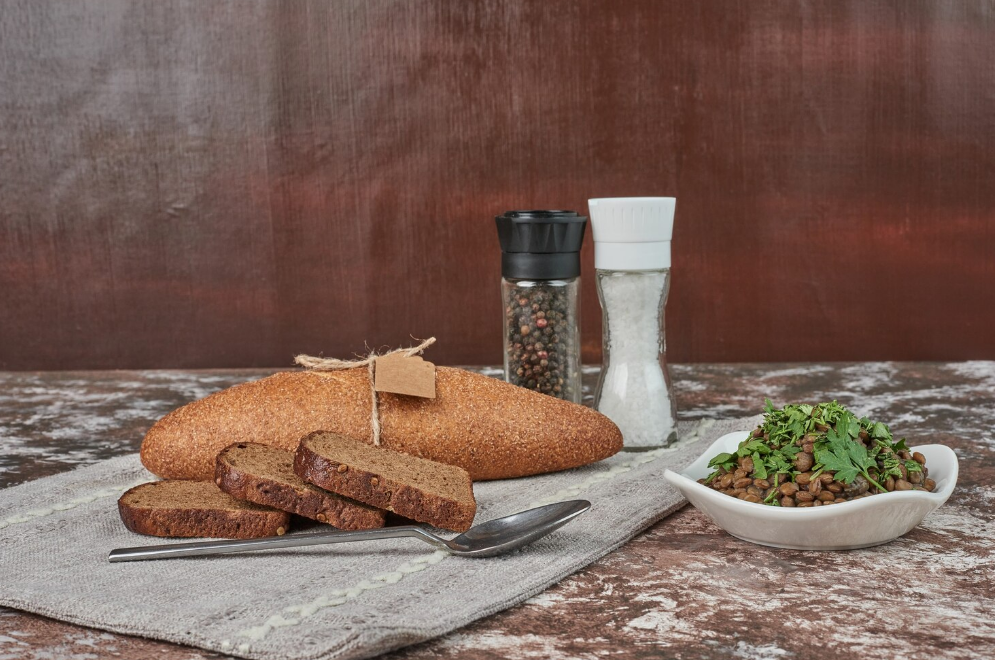
The carbohydrate profile of the Moroccan diet is distinctively low-glycemic. While bread is a staple, it is traditionally made from whole wheat or barley, offering a slower release of glucose into the bloodstream compared to refined white flour products. This steady energy release prevents the insulin spikes that trigger fat storage. The Centers for Disease Control and Prevention emphasizes the importance of choosing complex carbohydrates for blood sugar management, a principle inherently embedded in traditional North African baking methods. By prioritizing whole grains like semolina and barley, the diet supports sustained energy levels and reduces cravings for sugary snacks.
The Thermogenic Power of Moroccan Spices
One of the most underappreciated aspects of Moroccan cuisine in the context of weight loss is the strategic use of spices. These aromatic compounds do more than provide flavor; they possess bioactive properties that can enhance metabolic rate and improve insulin sensitivity. Ras el hanout, a complex blend that can include upwards of thirty different spices, often contains cumin, coriander, ginger, and cinnamon. Each of these ingredients has been studied for its potential role in weight management. For instance, cumin has been shown in clinical trials to aid in reducing body fat and improving blood lipid profiles, as detailed in studies referenced by the National Institutes of Health.
Turmeric, a frequent component in Moroccan marinades and rice dishes, contains curcumin, a potent anti-inflammatory compound. Chronic inflammation is increasingly recognized as a barrier to weight loss, as it can disrupt hormonal signals related to hunger and fat storage. Incorporating turmeric into daily meals helps mitigate this inflammatory response. Similarly, ginger, widely used in teas and savory dishes, has thermogenic effects that slightly increase the body’s temperature and calorie burn. The Mayo Clinic notes that while no single food causes massive weight loss, the cumulative effect of metabolism-boosting ingredients can support a calorie-deficit lifestyle.
Saffron, often called “red gold,” is another critical element in Moroccan cooking, particularly in rice dishes and special occasion tagines. Beyond its culinary prestige, saffron has demonstrated potential in suppressing appetite and reducing snacking frequency. The psychological satisfaction derived from the intense aroma and flavor of saffron-infused dishes can also reduce the desire for excessive portion sizes. By relying on these powerful flavor agents, cooks can create deeply satisfying meals without resorting to excessive salt, sugar, or unhealthy fats, adhering to guidelines set forth by the American Heart Association regarding sodium reduction.
Tagine Traditions: Slow Cooking for Nutrient Retention
The tagine, both the conical earthenware pot and the stew cooked within it, represents a cooking method that is exceptionally conducive to preserving nutrients and enhancing flavor without added calories. The unique design of the tagine lid allows steam to rise, condense, and drip back into the dish, creating a self-basting environment that requires minimal added fat. This slow-cooking technique breaks down tough fibers in vegetables and legumes, making them more digestible and their nutrients more bioavailable. The United States Department of Agriculture highlights how moist-heat cooking methods can preserve water-soluble vitamins that might otherwise be lost in boiling or frying.
A classic vegetable tagine might include zucchini, carrots, potatoes, chickpeas, and preserved lemons, simmered until tender. The preservation of texture and color in these dishes encourages higher vegetable consumption. When vegetables are palatable and flavorful, individuals are more likely to fill their plates with them, naturally displacing higher-calorie options. The addition of preserved lemons provides a burst of citrusy brightness that enhances the perception of saltiness without actually adding significant sodium, a clever culinary trick that supports cardiovascular health.
Meat-based tagines, such as those made with lamb or chicken, are typically prepared with large quantities of onions, garlic, and tomatoes, which form a voluminous sauce. This ratio ensures that the meat serves as a flavor accent rather than the bulk of the meal. A serving size of meat in a traditional setting is often no larger than a deck of cards, surrounded by a mountain of vegetables and broth. This portion control happens organically through the recipe structure rather than through conscious restriction, making it a sustainable long-term strategy. The Academy of Nutrition and Dietetics advocates for such plate-composition strategies as an effective method for managing weight without counting calories.
Couscous and Grains: Rethinking the Carbohydrate Narrative
Couscous is frequently misunderstood in Western dietary contexts as a refined carbohydrate akin to white pasta. However, traditional Moroccan couscous is made from durum wheat semolina and is often steamed multiple times over a simmering stew, a process that alters its glycemic impact. When paired with fiber-rich vegetables and legumes, the overall glycemic load of the meal remains moderate. The key lies in the accompaniment; a bowl of couscous buried under a heap of roasted vegetables and chickpeas creates a balanced meal that sustains energy. The Whole Grains Council emphasizes that the matrix of the food—how the grain is packaged with other nutrients—matters more than the grain alone.
For those strictly monitoring carbohydrate intake for weight loss, substituting traditional couscous with whole wheat varieties or mixing it with cauliflower rice can further lower the calorie density while maintaining the textural experience. The versatility of grains in Moroccan cuisine allows for easy adaptation. Barley, known locally as sha’ir, is another ancient grain frequently used in soups like harira. Barley is exceptionally high in beta-glucan, a type of soluble fiber that has been proven to lower cholesterol and promote feelings of fullness.
The preparation method of grains in Morocco also contributes to their health profile. Steaming, rather than boiling in excess water, ensures that nutrients are not leached out. Furthermore, grains are rarely eaten plain; they are almost always infused with broth, spices, and vegetable juices, enhancing their nutritional value. This holistic approach to grain consumption stands in contrast to the isolated consumption of refined starches common in processed food diets. By viewing grains as a vehicle for vegetables and flavors rather than the main event, the diet naturally shifts toward a lower calorie density.
Harira and Legume-Based Sustenance
Harira, the iconic Moroccan soup, exemplifies the power of legumes in a weight loss regimen. Traditionally consumed to break the fast during Ramadan, this soup is a nutrient-dense blend of lentils, chickpeas, tomatoes, celery, and herbs. Legumes are a powerhouse of plant-based protein and fiber, two macronutrients essential for satiety and muscle maintenance during weight loss. The high fiber content slows digestion, stabilizing blood sugar levels and preventing the mid-afternoon energy crashes that often lead to unhealthy snacking. The American Diabetes Association recognizes legumes as a superfood for blood sugar control and weight management.
The viscosity of harira comes from the natural starches released by the lentils and chickpeas during long simmering, eliminating the need for cream or thickeners. This creates a creamy texture that is psychologically satisfying and physically filling, yet low in fat. A bowl of harira can serve as a complete meal or a substantial starter that reduces the total calorie intake of the subsequent courses. The inclusion of fresh herbs like cilantro and parsley adds a layer of phytonutrients and freshness that elevates the dish from simple sustenance to a culinary experience.
Legumes also play a central role in other Moroccan staples, such as tfaya (a sweet and savory onion and raisin topping often served with chicken) where chickpeas add bulk, or in various salad mixes. The regular consumption of pulses is a hallmark of the Blue Zones, regions of the world where people live the longest and healthiest lives. By integrating these plant proteins into daily meals, the reliance on expensive and often fatty animal proteins decreases, aligning economic benefits with health outcomes.
Salads and the Art of Raw Consumption
Moroccan meals almost invariably begin with a spread of cooked and raw salads, known as salades marocaines. This course is critical for weight loss as it primes the digestive system and provides a high volume of low-calorie food. Zaalouk (eggplant and tomato salad) and Taktouka (roasted pepper and tomato salad) are staples that rely on roasting vegetables to concentrate their flavors without adding fat. The charring process adds a smoky depth that satisfies the palate, reducing the desire for salty or sugary additives.
Raw salads, such as diced tomatoes with cucumbers, onions, and olives, dressed simply with lemon juice and olive oil, offer hydration and crunch. The high water content of these vegetables contributes to gastric distension, signaling fullness to the brain before the main course arrives. This practice of starting with vegetables is supported by research indicating that pre-loading meals with low-energy-dense foods reduces total calorie intake. The CDC’s resources on healthy eating suggest that filling half the plate with fruits and vegetables is one of the most effective strategies for weight control.
Olives, while high in fat, are consumed in moderation as a garnish rather than a main component. Their strong flavor means that a few provide significant satisfaction, preventing overconsumption. The diversity of textures in a Moroccan salad spread—from the softness of roasted eggplant to the crispness of raw radishes—engages the senses and slows down the eating pace. Mindful eating, facilitated by this variety, allows the body’s satiety signals to register, preventing the mindless overeating often associated with monotonous diets.
Comparative Analysis of Moroccan Staples for Weight Management
To understand how specific Moroccan elements stack up against common Western diet staples, the following table breaks down key nutritional dynamics. This comparison illustrates why shifting toward these traditional preparations can facilitate weight loss without sacrificing satisfaction.
| Feature | Traditional Moroccan Approach | Typical Western Diet Equivalent | Impact on Weight Loss |
|---|---|---|---|
| Primary Fat Source | Extra Virgin Olive Oil (Monounsaturated) | Processed Seed Oils, Butter, Margarine | Improves lipid profile and increases satiety duration. |
| Carbohydrate Base | Whole Wheat Couscous, Barley, Legumes | Refined White Bread, Pasta, Potatoes | Lowers glycemic load, preventing insulin spikes and fat storage. |
| Flavor Profile | Spice Blends (Cumin, Ginger, Turmeric) | Salt, Sugar, Artificial Flavor Enhancers | Boosts metabolism via thermogenesis; reduces water retention. |
| Protein Ratio | Plant-heavy with meat as garnish | Meat-centric portions | Reduces overall calorie density and saturated fat intake. |
| Cooking Method | Slow-steaming in Tagine, Roasting | Frying, Deep-frying, Grilling with heavy sauces | Preserves nutrients; eliminates added trans fats and excess calories. |
| Meal Structure | Multi-course with vegetable starters | Single large plate entrees | Promotes portion control and early satiety signals. |
| Hydration Source | Mint Tea (No Sugar), Water | Sugary Sodas, Juices, Alcohol | Eliminates liquid calories; aids digestion and metabolism. |
| Fiber Content | Very High (Legumes, Veggies, Whole Grains) | Moderate to Low | Enhances gut health and prolongs feelings of fullness. |
Data regarding these nutritional comparisons draws from broad agricultural and health databases, including resources from the Food and Agriculture Organization of the United Nations, which tracks global dietary patterns and their health implications. The shift from processed convenience foods to the whole-food preparation style of Morocco represents a fundamental change in energy density and nutrient quality.
Beverages and the Ritual of Mint Tea
No discussion of Moroccan nutrition is complete without addressing the role of beverages. Moroccan mint tea, a blend of green tea, fresh spearmint, and sugar, is a cultural icon. For weight loss purposes, the traditional preparation can be easily modified by significantly reducing or eliminating the sugar. Green tea itself is rich in catechins, antioxidants that have been linked to increased fat oxidation and improved metabolic rate. The ritual of pouring the tea from a height creates a frothy head, enhancing the sensory experience and slowing down consumption.
The social aspect of tea drinking in Morocco also plays a role in mindful eating. Tea is often consumed after meals or during social gatherings, acting as a digestive aid and a signal that the meal has concluded. This ritualistic pause prevents continuous grazing, a common habit that contributes to excess calorie intake. Replacing high-calorie desserts or sugary drinks with unsweetened or lightly sweetened mint tea can result in a significant reduction in daily sugar consumption. The National Cancer Institute has compiled extensive research on the potential health benefits of tea polyphenols, supporting their inclusion in a health-promoting diet.
Water consumption is also implicit in the culture, often served alongside meals. Staying hydrated is crucial for metabolic function and can sometimes be mistaken for hunger. The emphasis on herbal infusions and water over sugary sodas aligns perfectly with modern dietary recommendations for weight management.
Practical Implementation for Modern Lifestyles
Integrating Moroccan weight loss principles into a modern lifestyle does not require mastering complex recipes immediately. The core strategy involves adopting the framework of the diet: prioritizing vegetables, utilizing spices for flavor, choosing healthy fats, and practicing portion control through meal structure. Start by incorporating a tagine-style cooking method using a standard Dutch oven if a traditional clay pot is unavailable. The principle of slow-cooking vegetables with spices remains the same regardless of the vessel.
Batch cooking is another practical application. Many Moroccan dishes, such as harira or vegetable stews, taste better the next day as flavors meld. Preparing large quantities at the beginning of the week ensures that healthy, home-cooked meals are readily available, reducing the temptation to rely on processed fast food. The freezer-friendly nature of these stews makes them ideal for meal prepping, a strategy often recommended by nutrition experts for maintaining dietary consistency.
Shopping for ingredients should focus on the perimeter of the grocery store where fresh produce, legumes, and quality oils are located. Building a pantry stocked with essential Moroccan spices like cumin, coriander, paprika, ginger, and turmeric transforms the flavor profile of even the simplest chicken breast or roasted vegetables. This accessibility ensures that the diet is not seen as exotic or difficult, but as a versatile toolkit for everyday healthy eating.
Frequently Asked Questions
Q: Is couscous suitable for a low-carb or keto diet?
A: Traditional couscous is made from semolina wheat and is not suitable for a strict ketogenic or low-carb diet due to its carbohydrate content. However, for a balanced weight loss plan that is not strictly keto, whole wheat couscous can be consumed in moderation, especially when paired with high-fiber vegetables and proteins to lower the overall glycemic load. For those on strict low-carb regimens, cauliflower rice seasoned with Moroccan spices offers a viable alternative that mimics the texture and flavor profile.
Q: How can I reduce the calorie count of a traditional tagine?
A: To reduce calories, focus on increasing the ratio of non-starchy vegetables to meat and minimizing the amount of oil used during the initial sautéing phase. The slow-cooking nature of the tagine allows flavors to develop without needing excessive fat. Additionally, skimming any fat that rises to the surface during cooking can further reduce the calorie content. Using lean cuts of poultry or relying entirely on legumes for protein can also significantly lower the energy density of the dish.
Q: Are preserved lemons high in sodium?
A: Yes, preserved lemons are cured in salt, so they do have a high sodium content. However, they are used sparingly as a condiment or flavoring agent, typically only a small piece of the rind per serving. This small quantity imparts significant flavor without drastically increasing the sodium intake of the entire meal. Rinsing the rind before use can also help reduce surface salt. Individuals with hypertension should monitor their overall sodium intake but can generally enjoy preserved lemons in moderation within a balanced diet.
Q: Can Moroccan spices really help with weight loss?
A: While spices alone will not cause weight loss, certain spices common in Moroccan cuisine, such as cumin, ginger, turmeric, and cinnamon, have properties that can support metabolic health. They may help improve insulin sensitivity, reduce inflammation, and slightly increase thermogenesis. Their primary benefit in a weight loss context is allowing for flavorful cooking without the need for excess salt, sugar, or fat, making healthy eating more sustainable and enjoyable.
Q: Is harira soup fattening?
A: Traditional harira is generally low in fat and high in fiber and protein, making it an excellent choice for weight loss. Its calorie density is low due to the high volume of vegetables and broth. However, calorie content can vary depending on the specific recipe, particularly the amount of oil used and the inclusion of meat. A vegetable-focused harira with minimal oil is a nutrient-dense, filling meal that supports weight management goals.
Q: How do I handle the sugar in Moroccan mint tea?
A: Traditional Moroccan mint tea often contains a significant amount of sugar. For weight loss purposes, it is highly recommended to gradually reduce the amount of sugar added during brewing. Transitioning to unsweetened tea or using a natural, zero-calorie sweetener like stevia can maintain the ritual and flavor experience without the added calories. The strong flavor of the mint and the tannins from the green tea often become more appreciable as the palate adjusts to less sweetness.
Q: What are the best protein sources for a vegetarian Moroccan weight loss diet?
A: Morocco has a rich tradition of vegetarian cooking. Lentils, chickpeas, and fava beans are the primary protein sources, featured prominently in soups, stews, and salads. Eggs are also commonly used in dishes like shakshuka (eggs poached in tomato sauce). Combining these legumes with whole grains like barley or whole wheat couscous creates a complete amino acid profile, ensuring adequate protein intake for muscle maintenance during weight loss.
Conclusion
The path to sustainable weight loss is rarely found in rigid restrictions or temporary fixes, but rather in the adoption of a lifestyle that nourishes the body while delighting the senses. Moroccan cuisine offers a profound example of how food can be both medicinal and celebratory. By centering meals around vegetables, legumes, and whole grains, and enhancing them with the metabolic power of aromatic spices, it becomes possible to achieve a caloric deficit without the sensation of deprivation. The slow-cooking traditions, the ritual of shared meals, and the emphasis on fresh, seasonal ingredients create a holistic environment that supports long-term health.
Adopting these principles does not require a complete overhaul of one’s identity or heritage; it simply invites the integration of time-tested wisdom into modern routines. The vibrant colors of a vegetable tagine, the comforting warmth of a lentil soup, and the refreshing zest of mint tea serve as reminders that healthy eating is an act of self-care rather than punishment. As the global understanding of nutrition evolves, the Moroccan model stands as a testament to the idea that the most effective diet is one that can be enjoyed every day, fostering a relationship with food that is balanced, respectful, and enduring. Through the lens of this culinary tradition, weight loss transforms from a struggle against the body into a harmonious alignment with nature’s abundance.