

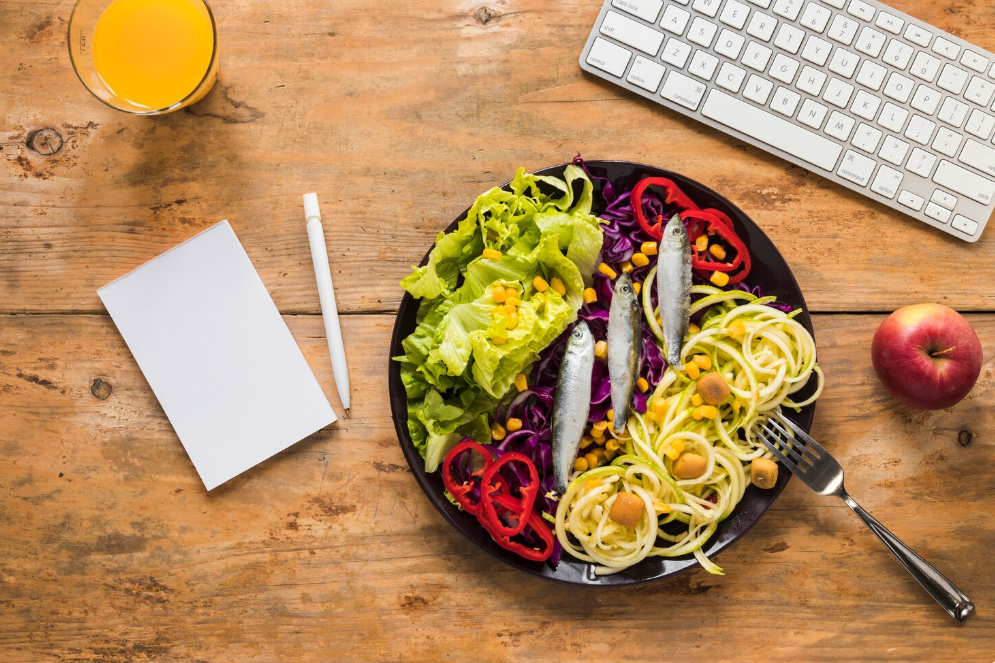
The midday meal often becomes the casualty of a busy schedule. Between back-to-back meetings, school runs, and the general momentum of the workday, lunch is frequently an afterthought. This neglect often leads to two common pitfalls: grabbing high-calorie, low-nutrient fast food or skipping the meal entirely, only to face an energy crash and overeating later in the day. However, the solution lies not in willpower alone but in strategy. Constructing a satisfying, nutrient-dense lunch that stays under 500 calories is entirely achievable with the right framework. It requires a shift from viewing lunch as a mere pause to seeing it as a critical fueling station that dictates afternoon productivity and long-term metabolic health.
Understanding the mechanics of a 500-calorie meal reveals that volume and satisfaction do not have to be sacrificed for calorie control. The key lies in caloric density and macronutrient balance. Foods high in fiber, water content, and lean protein provide significant volume and satiety signals to the brain without inflating the calorie count. By prioritizing these elements, one can construct meals that feel substantial while adhering to strict energy limits. This approach aligns with guidelines from major health institutions, which emphasize that weight management and sustained energy are products of consistent, quality nutrition rather than restrictive deprivation. The Centers for Disease Control and Prevention (CDC) outlines how balancing calorie intake with physical activity is fundamental to maintaining a healthy weight, and the lunch hour is the perfect opportunity to execute this balance practically.
The Science of Satiety Within Calorie Limits
To create a lunch that prevents the 3:00 PM slump, one must understand the physiological drivers of hunger. Satiety—the feeling of fullness that persists after eating—is largely influenced by protein intake, fiber content, and the physical volume of food. Protein has a higher thermic effect than carbohydrates or fats, meaning the body burns more calories digesting it, and it significantly reduces levels of ghrelin, the hunger hormone. Incorporating a solid source of lean protein, such as grilled chicken breast, tofu, tempeh, or legumes, forms the anchor of any sub-500 calorie meal. Research published in journals like the American Journal of Clinical Nutrition consistently demonstrates that higher protein diets lead to greater satiety and spontaneous reduction in calorie intake at subsequent meals.
Fiber acts as the second pillar of a successful low-calorie lunch. Soluble fiber, found in oats, beans, and fruits, absorbs water and forms a gel-like substance in the gut, slowing digestion and stabilizing blood sugar levels. Insoluble fiber, abundant in leafy greens and whole grains, adds bulk to the stool and promotes regularity. When combined, these fibers ensure that a small number of calories translates into a physically full stomach. The Mayo Clinic emphasizes that a high-fiber diet is essential for digestive health and weight control, noting that fiber-rich foods tend to be less energy-dense, allowing individuals to eat larger portions for fewer calories. A salad loaded with spinach, cucumbers, and peppers can weigh nearly a pound yet contribute minimal calories, creating a psychological and physical sense of abundance.
Hydration also plays a deceptive role in perceived hunger. Often, the body signals thirst as hunger, leading to unnecessary snacking or oversized portions. Including water-rich foods like tomatoes, zucchini, celery, and melon in lunch preparations contributes to total fluid intake and gastric distension, further enhancing the feeling of fullness. Furthermore, the timing of the meal matters. Eating at consistent intervals helps regulate the body’s internal clock and prevents the extreme hunger that leads to poor decision-making. The National Institutes of Health (NIH) provides extensive resources on how meal timing and composition influence metabolic health, reinforcing the idea that a structured approach to lunch yields better outcomes than reactive eating.
Strategic Meal Assembly: The Formula for Success
Constructing a meal under 500 calories does not require complex recipes or obscure ingredients. Instead, it relies on a modular approach where specific components are combined to meet nutritional targets. A reliable formula involves allocating calories roughly as follows: 40% from lean protein, 30% from complex carbohydrates, 20% from healthy fats, and 10% from non-starchy vegetables and flavor enhancers. This distribution ensures a steady release of energy without the spike and crash associated with refined sugars and simple starches. For instance, a bowl containing 4 ounces of grilled salmon, a half-cup of quinoa, a generous portion of steamed broccoli, and a teaspoon of olive oil fits perfectly within this framework while delivering essential omega-3 fatty acids and micronutrients.
Portion control remains the most critical variable in this equation. Even healthy foods can exceed calorie limits if portions are unchecked. Using visual cues or measuring tools initially helps recalibrate the eye to appropriate serving sizes. A serving of cooked rice or pasta should generally not exceed the size of a fist, while protein portions should resemble the palm of a hand. Fats, though healthy, are calorically dense; a single tablespoon of olive oil contains nearly 120 calories, so precision is necessary. The United States Department of Agriculture (USDA) offers detailed dietary guidelines and tools like MyPlate, which serve as excellent references for visualizing balanced proportions without the need for constant weighing.
Flavor enhancement without calorie bloat is another strategic consideration. Many traditional dressings, sauces, and condiments are hidden sources of excess sugar and fat. Replacing creamy dressings with vinegar-based alternatives, using fresh herbs, citrus juices, garlic, ginger, and spices can transform a bland dish into a culinary experience without adding significant calories. Hot sauces, mustard, and salsa are typically low-calorie options that add zest. Experimenting with roasting vegetables to bring out natural sweetness or charring proteins for a smoky depth can elevate the dining experience. Resources from the Academy of Nutrition and Dietetics often highlight how culinary techniques can improve the palatability of healthy foods, making adherence to a nutritious diet more sustainable.
Rapid Preparation Techniques for the Time-Strapped
The barrier to a healthy lunch is often time, not knowledge. However, with efficient preparation techniques, a gourmet-quality, low-calorie meal can be assembled in under 15 minutes. One effective method is “batch cooking” components rather than entire meals. Cooking a large batch of grains, roasting a tray of mixed vegetables, and grilling several chicken breasts on Sunday allows for rapid assembly during the week. These components can be mixed and matched to create different flavor profiles, preventing monotony. For example, the same roasted chickpeas and quinoa can become a Mediterranean bowl with feta and cucumber one day and a Southwest bowl with avocado and salsa the next. This flexibility keeps the diet interesting while minimizing daily cooking time.
Another technique is utilizing no-cook or minimal-cook ingredients. Canned beans, pre-washed greens, rotisserie chicken (skin removed), and pre-cut vegetables are invaluable assets. While fresh is often ideal, high-quality convenience items can bridge the gap between intention and execution. Tuna packets, hard-boiled eggs, and cottage cheese are protein sources that require zero preparation time. Wrapping these in large lettuce leaves or stuffing them into whole-grain pitas creates an instant meal. The Food and Drug Administration (FDA) provides guidance on food safety regarding pre-prepared and leftover foods, ensuring that these quick solutions remain safe for consumption throughout the workweek when stored correctly.
One-pot or one-pan meals also streamline the process, reducing both cooking and cleanup time. Stir-fries, sheet-pan dinners, and grain bowls allow proteins and vegetables to cook simultaneously. A stir-fry using frozen vegetable mixes, shrimp, and a light soy-ginger sauce can be ready in the time it takes to boil water for tea. Sheet-pan meals involving salmon fillets and asparagus roasted together at 400°F require only ten minutes of active prep before the oven does the rest. These methods preserve nutrients better than boiling and concentrate flavors, making the food more satisfying. Culinary experts often recommend investing in quality cookware that distributes heat evenly, further reducing cooking times and improving results.
Diverse Flavor Profiles: Global Inspiration for Light Meals
Restricting calories should never mean restricting flavor. Drawing inspiration from global cuisines reveals that many traditional diets are naturally low in calories and high in nutrients. Mediterranean cuisine, for instance, relies heavily on vegetables, legumes, whole grains, and olive oil, creating meals that are heart-healthy and satisfying. A Greek-inspired salad with chickpeas, tomatoes, cucumbers, red onion, and a modest amount of feta cheese dressed with lemon and oregano is a classic example. Asian cuisines often utilize steaming, poaching, and stir-frying techniques with abundant vegetables and lean proteins like tofu and fish. A Vietnamese-style rice paper roll filled with shrimp, vermicelli noodles, mint, and cilantro offers a refreshing, low-calorie option that is packed with texture.
Latin American flavors provide vibrant options through the use of salsas, lime, cilantro, and black beans. A burrito bowl featuring cauliflower rice, seasoned black beans, grilled peppers, and a dollop of Greek yogurt (as a sour cream substitute) delivers robust flavor without the calorie load of a traditional flour tortilla and heavy cheese. Indian cuisine offers lentil-based dishes like dal, which are high in protein and fiber. Serving a cup of dal with a side of sautéed spinach and a small portion of brown rice creates a warming, spiced meal that feels indulgent yet fits strictly within calorie limits. Exploring these culinary traditions not only diversifies the palate but also introduces a wider range of phytonutrients and antioxidants.
The key to successfully adapting these cuisines lies in modifying traditional preparations to reduce added fats and sugars. Instead of deep-frying, opt for baking or air-frying. Replace coconut milk with light versions or blend silken tofu to create creamy textures in curries. Use spices liberally; capsaicin in chili peppers, curcumin in turmeric, and gingerol in ginger not only add heat and depth but also possess anti-inflammatory properties. The World Health Organization (WHO) advocates for diverse diets rich in plant-based foods as a means to prevent chronic diseases, supporting the idea that exploring global, plant-forward recipes is beneficial for long-term health.
Comparative Analysis of Popular Lunch Options
To visualize the impact of ingredient choices on calorie density and nutritional value, consider the following comparison of common lunch archetypes. This table illustrates how swapping high-calorie components for nutrient-dense alternatives can drastically change the nutritional profile while maintaining satisfaction.
| Lunch Archetype | Traditional High-Calorie Version | Optimized <500 Calorie Version | Key Nutritional Difference |
|---|---|---|---|
| The Sandwich | White bread, processed deli meat, mayo, cheddar cheese | Whole grain wrap, turkey breast, mustard, spinach, tomato | Reduced refined carbs and saturated fat; increased fiber and volume. |
| The Salad | Iceberg base, croutons, bacon bits, creamy ranch dressing | Kale/spinach base, chickpeas, grilled chicken, vinaigrette | Shift from empty calories to high protein/fiber; elimination of sugar-laden dressing. |
| The Bowl | White rice, fried protein, sugary teriyaki sauce, fried onions | Quinoa/brown rice, steamed protein, soy-ginger glaze, sesame seeds | Lower glycemic index; reduced sodium and added sugars; higher micronutrient density. |
| The Wrap | Large flour tortilla, ground beef, sour cream, shredded cheese | Collard green wrap, lean ground turkey, salsa, avocado slice | Significant reduction in carbohydrate load; replacement of saturated fat with monounsaturated fat. |
| The Pasta | Refined pasta, alfredo sauce, sausage, garlic bread | Zucchini noodles/chickpea pasta, marinara, grilled shrimp, side salad | Drastic reduction in calories per volume; increased vegetable intake and lean protein. |
This comparison highlights that the structural integrity of a meal—its ability to satisfy—does not depend on heavy sauces or refined grains. The optimized versions leverage texture contrasts (crunchy vegetables, chewy grains) and bold flavors (spices, acids) to mimic the satisfaction of heavier dishes. The data suggests that conscious substitution is a more sustainable strategy than portion reduction alone, as it maintains the ritual and enjoyment of eating while aligning with health goals.
Addressing Common Pitfalls and Misconceptions
Despite the clear benefits, several misconceptions hinder the adoption of healthy, low-calorie lunches. One prevalent myth is that low-calorie meals leave one hungry shortly after eating. This usually occurs when the meal lacks adequate protein or fiber, relying instead on low-calorie but low-satiety foods like plain rice cakes or diet sodas. A well-constructed meal under 500 calories that includes 20-30 grams of protein and ample fiber will sustain energy for hours. Another misconception is that healthy eating is inherently expensive. While some specialty items can be costly, staples like dried beans, lentils, seasonal vegetables, eggs, and frozen fruits are among the most affordable foods available. Planning around sales and seasonal produce further reduces costs.
The “all-or-nothing” mentality also poses a significant barrier. Individuals often believe that if they cannot prepare a perfect, homemade organic meal, they might as well eat fast food. This binary thinking ignores the spectrum of healthier choices available even in convenience settings. Many fast-food chains now offer grilled options, side salads, and fruit cups that can be combined to create a reasonable meal. The goal is progress, not perfection. Consistently choosing a slightly better option yields better long-term results than oscillating between strict dieting and complete abandonment of health goals. Behavioral science suggests that small, sustainable changes are more effective than drastic overhauls, a principle supported by research from the American Psychological Association (APA).
Furthermore, the fear of boredom with repetitive meals can be mitigated through the modular approach mentioned earlier. By rotating proteins, grains, and sauces, the number of possible combinations is vast. Keeping a repertoire of five to six favorite “base” recipes and varying the accents (herbs, spices, toppings) ensures variety without the cognitive load of inventing new recipes daily. It is also important to recognize that taste preferences adapt over time. As one reduces intake of highly processed, sugary, and salty foods, the palate becomes more sensitive to natural flavors, making whole foods increasingly enjoyable.
The Role of Hydration and Mindful Eating
Water consumption is inextricably linked to successful calorie management. Drinking a glass of water before a meal can promote a sense of fullness, potentially reducing the amount of food consumed. Moreover, dehydration is frequently misinterpreted as hunger. Ensuring adequate hydration throughout the morning sets the stage for a controlled lunch. Infusing water with lemon, cucumber, or mint can make it more appealing without adding calories. The Harvard T.H. Chan School of Public Health notes that replacing sugary beverages with water is one of the simplest and most effective steps toward a healthier diet and weight management.
Mindful eating practices further enhance the effectiveness of a low-calorie lunch. Eating quickly or while distracted (e.g., working at a desk, scrolling through a phone) disrupts the body’s satiety signals, often leading to overeating before the brain registers fullness. Taking the time to sit down, chew thoroughly, and focus on the sensory experience of the meal allows the physiological mechanisms of satiety to function correctly. This does not require meditation, but rather a conscious deceleration of the eating process. Studies indicate that mindful eating can reduce binge eating and emotional eating, fostering a healthier relationship with food.
The environment in which one eats also influences consumption. A cluttered, stressful workspace may encourage mindless snacking or rushed eating. Creating a designated break space, even if it is just a different chair or a short walk outside, can signal to the brain that it is time to refuel and recharge. This mental separation between work and eating helps in digesting food properly and returning to tasks with renewed focus. The psychological aspect of the lunch break is as important as the nutritional content; it serves as a reset button for the circadian rhythm and mental stamina.
Long-Term Sustainability and Lifestyle Integration
The ultimate goal of adopting quick, healthy lunch habits is not short-term weight loss but long-term vitality and disease prevention. Consistent intake of nutrient-dense, calorie-appropriate meals supports immune function, cognitive clarity, and metabolic efficiency. Over time, these habits compound, reducing the risk of chronic conditions such as type 2 diabetes, cardiovascular disease, and hypertension. The National Heart, Lung, and Blood Institute (NHLBI) emphasizes the role of diet in heart health, specifically advocating for diets rich in vegetables, fruits, whole grains, and lean proteins while limiting saturated fats and sodium.
Integrating these practices into a lifestyle requires flexibility. There will be days when preparation is impossible, or social obligations dictate a different menu. The resilient dieter plans for these deviations by making balanced choices at the next meal rather than spiraling into guilt. The 80/20 rule—eating nutritiously 80% of the time and allowing flexibility 20% of the time—is a sustainable framework that prevents burnout. It acknowledges the reality of life while maintaining a strong foundation of health.
Moreover, sharing these habits can create a supportive environment. Preparing healthy lunches for family members or colleagues can foster a culture of wellness. It transforms the act of eating from a solitary necessity into a shared value. Educational resources and community programs often highlight the ripple effect of individual healthy choices, suggesting that personal discipline can inspire broader community health improvements. The journey toward better health is continuous, and the lunch hour represents a daily opportunity to reaffirm commitment to one’s well-being.
Frequently Asked Questions
Q: Can I lose weight eating only 500-calorie lunches?
A: Weight loss is determined by the total daily calorie deficit, not just one meal. A 500-calorie lunch can contribute significantly to a deficit if breakfast and dinner are also balanced. However, it is crucial to ensure that total daily intake meets basal metabolic needs to avoid muscle loss and metabolic slowdown. Consulting a healthcare provider for personalized calorie goals is recommended.
Q: Are 500 calories enough to keep me full until dinner?
A: Yes, if the meal is composed correctly. A meal rich in lean protein (20-30g), high-fiber vegetables, and complex carbohydrates provides sustained satiety. Meals lacking these components, even if higher in calories, may lead to hunger sooner due to blood sugar fluctuations.
Q: How can I make a low-calorie lunch taste good without salt and sugar?
A: Flavor can be amplified using acid (lemon juice, vinegar), heat (chili flakes, hot sauce), aromatics (garlic, onion, ginger), and fresh herbs (basil, cilantro, parsley). Roasting vegetables caramelizes their natural sugars, enhancing sweetness without added sugar. Spices like cumin, paprika, and turmeric add depth without calories.
Q: Is it better to meal prep for the whole week or just a few days?
A: This depends on the ingredients. Grains and roasted vegetables generally hold up well for 4-5 days. Leafy greens and delicate proteins like fish are best prepped for 2-3 days to maintain texture and safety. A hybrid approach, prepping bases for the week and adding fresh toppings daily, often works best.
Q: What are the best vegetarian protein sources for a sub-500 calorie lunch?
A: Lentils, chickpeas, black beans, tofu, tempeh, edamame, and Greek yogurt are excellent options. They provide high protein and fiber relative to their calorie count. Combining grains with legumes (e.g., rice and beans) ensures a complete amino acid profile.
Q: Can I include fruit in a savory lunch?
A: Absolutely. Fruits like apples, pears, berries, and oranges pair well with savory dishes. They add natural sweetness, fiber, and vitamins. For example, apple slices with a turkey wrap or berries in a spinach salad can enhance flavor and nutritional diversity.
Q: How do I handle dining out while sticking to the 500-calorie limit?
A: Look for grilled, baked, or steamed options rather than fried. Request dressings and sauces on the side to control portion sizes. Start with a broth-based soup or a side salad to fill up on low-calorie volume. Be mindful of portion sizes, as restaurant servings are often double or triple standard portions; consider boxing half immediately.
Q: Does the timing of my lunch affect its impact on my metabolism?
A: While total daily intake is the primary driver of weight management, consistent meal timing helps regulate blood sugar and hunger hormones. Eating lunch too late in the day may lead to excessive hunger and overeating at dinner. Aim for a consistent window, typically between 12:00 PM and 1:30 PM.
Q: Are “diet” or “light” processed foods a good substitute?
A: Not necessarily. Many “diet” foods compensate for reduced fat or sugar with artificial additives, sodium, or refined starches, which may not provide the same satiety as whole foods. Whole, minimally processed foods are generally superior for nutrient density and long-term health.
Q: What if I am still hungry after a 500-calorie lunch?
A: First, ensure you are drinking enough water. If hunger persists, evaluate the meal’s protein and fiber content. Adding a small, low-calorie snack like a piece of fruit, raw vegetables, or a hard-boiled egg in the mid-afternoon can bridge the gap without derailing goals.
Conclusion
Mastering the art of the quick, healthy lunch under 500 calories is a transformative skill that extends far beyond the confines of weight management. It represents a deliberate choice to prioritize long-term vitality over short-term convenience. By understanding the science of satiety, employing strategic meal assembly, and embracing global flavors, anyone can turn the midday meal into a source of sustained energy and culinary enjoyment. The journey does not require perfection or elaborate preparations; it demands consistency, mindfulness, and a willingness to explore the vast potential of whole, nutrient-dense foods.
The evidence is clear: small, consistent changes in daily habits yield profound results over time. Whether through batch cooking on weekends, utilizing smart shortcuts during the week, or simply taking the time to eat mindfully, each action reinforces a commitment to health. As the afternoon unfolds, the benefits of a well-fueled body and mind become evident in sharper focus, stable moods, and enduring stamina. Ultimately, the lunch hour is an invitation to reset, recharge, and nourish the vessel that carries us through our daily lives. Embracing this opportunity with intention and knowledge paves the way for a healthier, more vibrant future, proving that eating well is not a burden but a powerful tool for living better.