

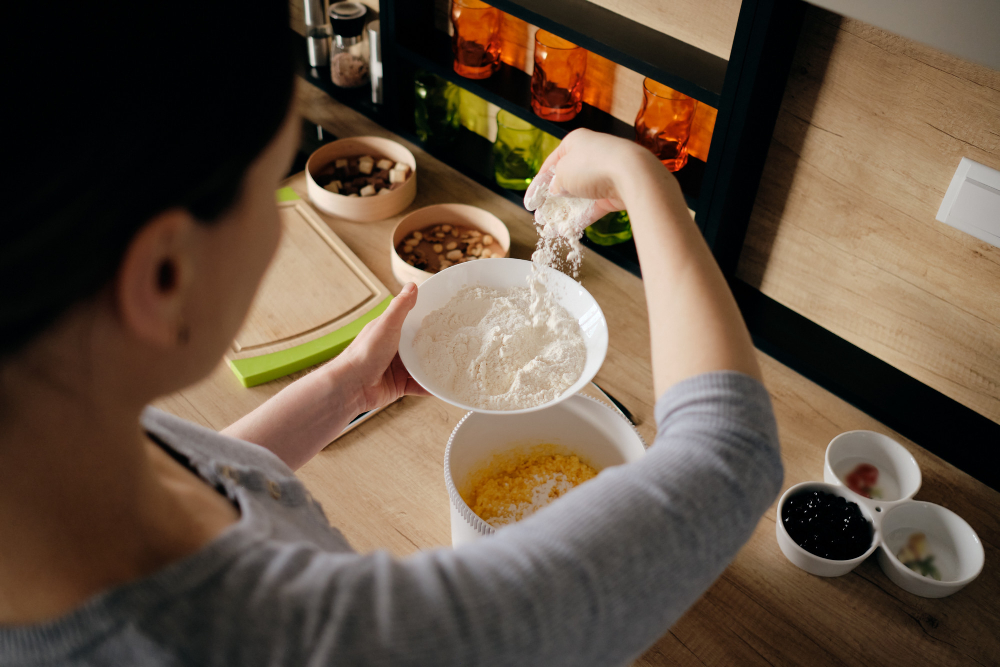
The culinary landscape of the modern home kitchen has shifted dramatically. Where once international cuisine was viewed as the domain of specialized restaurants or chefs with decades of training, today’s pantry staples and accessible techniques have democratized global flavors. The barrier to entry for cooking dishes from Italy, Mexico, Thailand, India, and beyond has lowered, not because the traditions have changed, but because the understanding of core techniques has become widespread. Cooking popular world recipes at home is no longer about replicating a specific grandmother’s secret; it is about understanding the fundamental balance of acid, heat, fat, and salt that defines a region’s palate. This approach allows home cooks to produce authentic-tasting meals with efficiency and consistency, turning weeknight dinners into opportunities for cultural exploration without the stress of complex procedures.
The appeal of easy-to-cook international dishes lies in their reliance on high-impact ingredients rather than labor-intensive processes. A dish like a Thai green curry or a Spanish tortilla does not require hours of reduction or intricate knife skills; it requires respect for the ingredient quality and an adherence to the sequence of cooking. By focusing on recipes that have stood the test of time due to their simplicity, cooks can achieve results that are both comforting and exciting. The following analysis breaks down some of the most beloved global recipes, dissecting the science behind their ease of preparation and offering a roadmap for mastering them in a standard home kitchen.
The Art of the One-Pot Wonder: Italian Risotto and Spanish Paella Variations
Rice-based dishes often intimidate novice cooks due to the fear of undercooking or creating a mushy texture, yet two of Europe’s most celebrated dishes, Risotto and Paella, rely on straightforward principles that, when followed, yield restaurant-quality results. The Italian risotto, specifically the classic Risotto alla Milanese or a mushroom variation, is a study in patience and agitation rather than complexity. The secret lies in the starch content of the rice. Using high-starch varieties like Arborio or Carnaroli is non-negotiable, as these grains release amylopectin slowly when agitated, creating the signature creamy texture without the need for heavy cream.
The process begins with tostatura, or toasting the rice in fat (usually butter and olive oil) until the grains are translucent at the edges. This step seals the exterior of the grain, ensuring it maintains structure during the simmering process. Following this, the addition of warm broth must be gradual. Many home cooks err by adding all the liquid at once, which boils the rice rather than simmering it, leading to uneven cooking. By adding ladlefuls of hot stock and stirring constantly, the friction between grains encourages starch release. This technique is well-documented by culinary institutions like the Italian Academy of Cuisine, which emphasizes that the constant motion is what differentiates a true risotto from simple boiled rice. The dish is finished with mantecatura, a vigorous beating in of cold butter and Parmigiano-Reggiano off the heat, which emulsifies the fats and creates a glossy, cohesive wave of flavor.
Similarly, the Spanish Paella offers a robust framework for easy cooking, provided one respects the role of the pan and the socarrat. While traditional Paella Valenciana involves specific meats and beans, the technique translates easily to seafood or vegetable variations. The key distinction from risotto is that Paella rice, such as Bomba or Calasparra, is not stirred after the liquid is added. This lack of agitation prevents the release of excess starch, keeping the grains separate and firm. The flavor profile hinges on the proper blooming of saffron and smoked paprika (pimentón) in hot oil before the rice is introduced. This step, known as frying the spices, unlocks oil-soluble flavor compounds that water alone cannot extract.
Cooking the Paella in a wide, shallow pan ensures even heat distribution and rapid evaporation, which concentrates the flavors. The goal is to develop the socarrat, a caramelized crust of rice at the bottom of the pan. Achieving this requires listening to the pan; when the sound changes from a simmer to a faint crackle, the water has evaporated, and the sugars in the rice begin to caramelize. Resources from Spain’s tourism and culinary boards often highlight that this crust is not burnt rice but a textural delicacy that adds depth to the dish. Both risotto and paella demonstrate that “easy” does not mean “rushed”; rather, it means adhering strictly to a few critical physical changes in the ingredients.
The Balance of Heat and Acid: Southeast Asian Curries and Stir-Fries
Southeast Asian cuisine is frequently perceived as difficult due to its complex layering of flavors—sweet, salty, sour, spicy, and bitter. However, the actual cooking process for dishes like Thai Green Curry or Vietnamese Stir-Fries is remarkably fast, often taking less than twenty minutes from start to finish. The complexity is front-loaded into the preparation of the paste or the sauce, which can be sourced high-quality pre-made versions or prepared in batches ahead of time.
Thai Green Curry serves as a prime example of efficient flavor building. The foundation is the curry paste, a blend of fresh chilies, lemongrass, galangal, kaffir lime leaves, and shrimp paste. While making this paste from scratch is traditional, high-quality artisanal pastes available in global markets retain the volatile oils necessary for authentic taste. The cooking method is singular: fry the paste in coconut cream until the oil separates. This separation indicates that the water content in the cream has evaporated, and the aromatic compounds in the paste are now infusing the fat. This technique, explained in detail by food science experts at Serious Eats, is crucial because fat carries flavor more effectively than water, distributing the spice and aroma evenly throughout the dish.
Once the paste is fried, the addition of coconut milk, protein, and vegetables follows a logical sequence based on cooking times. Harder vegetables go in first, delicate greens last. The finishing touches are where the dish comes alive: fish sauce for saltiness and umami, palm sugar for a rounded sweetness, and fresh lime juice for acidity. It is the interplay of these three elements at the end that elevates the dish from a simple stew to a balanced meal. The Thai Department of Cultural Promotion notes that the balance is subjective but must always be present; a curry lacking acid will taste flat, while one lacking salt will fail to highlight the spices.
Vietnamese stir-fries, such as Bo Luc Lac (shaking beef), operate on similar principles but emphasize the marinade and the high-heat sear. The marinade typically combines soy sauce, oyster sauce, garlic, sugar, and black pepper. The science here involves the Maillard reaction, which occurs when amino acids and reducing sugars react under high heat, creating complex flavor compounds and browning. To achieve this at home, the pan must be smoking hot, and the meat should not be overcrowded. Overcrowding lowers the pan temperature, causing the meat to steam rather than sear, resulting in a gray, tough texture. Using a wok or a heavy-bottomed skillet allows for the necessary heat retention. The serving suggestion of pickled vegetables provides a necessary acidic counterpoint to the rich, savory beef, illustrating the universal culinary rule that fat needs acid to cut through richness.
The Versatility of Legumes and Spices: Indian Dals and Chickpea Curries
Indian cuisine offers some of the most nutritious and cost-effective meals globally, with lentil-based dishes (Dal) standing out as the pinnacle of easy, high-value cooking. The perception of Indian food as time-consuming often stems from the misunderstanding of spice usage. Authentic home-style Indian cooking rarely uses more than six or seven spices, and the magic lies in Tadka (tempering). This technique involves frying whole spices in hot ghee or oil to release their essential oils before pouring the sizzling mixture over cooked lentils.
A basic Yellow Dal (Toor Dal) requires only lentils, water, turmeric, and salt for the base. The lentils are boiled until soft, a process that can be accelerated with a pressure cooker but works perfectly fine in a standard pot with adequate soaking time. The transformation occurs during the tempering. Mustard seeds, cumin seeds, dried red chilies, asafoetida (hing), and curry leaves are fried in ghee until the mustard seeds pop and the curry leaves crisp up. This hot oil is then poured over the dal, causing an immediate infusion of aroma. The chemical reaction here is the rapid volatilization of aromatic compounds, which would otherwise remain trapped in the whole spices. The Spices Board of India highlights that proper tempering can alter the therapeutic and flavor profile of a dish significantly, turning a bland porridge into a fragrant staple.
Chickpea curries, or Chana Masala, follow a similar trajectory but rely on a base of onions, tomatoes, ginger, and garlic cooked down into a thick gravy. The ease of this dish comes from the forgiving nature of chickpeas, which hold their shape well even with prolonged simmering. The critical step is the cooking of the tomato-onion base until the oil separates from the masala. This visual cue indicates that the raw smell of the aromatics has cooked off and the sugars have caramelized. Adding ground spices like coriander, cumin, and garam masala at this stage prevents them from burning, which would introduce bitterness. Finishing with dried fenugreek leaves (kasuri methi) adds a distinct maple-like bitterness that is characteristic of North Indian curries. This dish exemplifies how plant-based proteins can be made deeply satisfying through the strategic application of heat and spice, a concept supported by nutritional studies from organizations like the Whole Grains Council regarding the bioavailability of nutrients in legumes when paired with spices.
The Simplicity of Freshness: Mexican Tacos and Salsas
Mexican cuisine, particularly the street-food style tacos found throughout the country, relies heavily on the quality of individual components rather than complex cooking techniques. The philosophy is minimalism: a good tortilla, a well-seasoned protein, fresh onion, cilantro, and a vibrant salsa. The ease of cooking here is deceptive; it demands attention to texture and freshness.
The cornerstone of the taco is the tortilla. While store-bought options exist, the difference between a mass-produced flour tortilla and a fresh corn tortilla made from nixtamalized maize is profound. Nixtamalization is an ancient process where corn is treated with an alkaline solution (usually limewater) to unlock niacin and improve flavor. While making tortillas from scratch is a skill, purchasing high-quality, preservative-free corn tortillas from local taquerias or specialty grocers bridges the gap for home cooks. Heating the tortilla correctly is vital; it should be warmed on a dry comal or skillet until slightly charred and pliable. This step gelatinizes the starches, making the tortilla soft and aromatic. The Mexico Tourism Board often emphasizes that the tortilla is not merely a vessel but an integral ingredient that contributes flavor and texture.
Proteins for tacos, such as Al Pastor or Carne Asada, can be simplified for home kitchens without losing authenticity. Carne Asada typically uses skirt or flank steak marinated in citrus juice (lime or orange), garlic, cumin, and soy sauce. The acid in the citrus helps tenderize the tougher cut of meat while imparting brightness. Grilling or searing the meat quickly over high heat ensures a charred exterior and a juicy interior. Slicing against the grain is a mechanical necessity to shorten the muscle fibers, ensuring tenderness.
The salsa acts as the unifying element. A classic Salsa Verde requires tomatillos, jalapeños, onion, garlic, and cilantro blended together. Roasting the tomatillos and peppers beforehand adds a smoky depth that raw blending cannot achieve. The balance of heat from the peppers and acid from the tomatillos cuts through the fat of the meat. Unlike cooked sauces, these salsas are best consumed fresh to maintain the vibrancy of the herbs and the crunch of the vegetables. This focus on fresh, uncooked elements aligns with dietary guidelines from health organizations promoting the consumption of raw vegetables for maximum vitamin retention, as noted by resources like the Centers for Disease Control and Prevention (CDC) regarding fruit and vegetable intake.
The Emulsion of Comfort: French Vinaigrettes and Simple Roasts
French cuisine is often associated with haute gastronomy and intricate sauces, but the backbone of everyday French cooking is surprisingly accessible. Techniques like roasting a whole chicken or crafting a perfect vinaigrette rely on precision and ratio rather than elaborate equipment. These methods form the basis of the “bistro” style of cooking that has permeated global home kitchens.
Roasting a chicken is perhaps the most fundamental skill in Western cooking. The simplicity lies in the preparation: drying the skin thoroughly, seasoning generously with salt and herbs, and roasting at a consistent temperature. The science of crispy skin involves removing surface moisture, which allows the skin to reach temperatures high enough for the Maillard reaction and fat rendering without steaming. Trussing the bird ensures even cooking, preventing the breast from drying out before the thighs are done. Resting the meat after cooking is equally critical; it allows the juices, which have been driven to the center by the heat, to redistribute throughout the muscle fibers. Cutting too soon releases these juices onto the cutting board, resulting in dry meat. Culinary schools like Le Cordon Bleu teach that resting is not optional but a chemical necessity for a juicy result.
Complementing the roast is the vinaigrette, the quintessential French dressing. The classic ratio is three parts oil to one part acid (vinegar or lemon juice), emulsified with mustard. The mustard acts as an emulsifier, containing mucilage that stabilizes the mixture of oil and water-based acid, preventing separation. Whisking vigorously incorporates air and breaks the oil into microscopic droplets suspended in the acid. The choice of oil and vinegar dictates the character of the dressing; a nutty walnut oil with sherry vinegar offers a different profile than extra virgin olive oil with red wine vinegar. This versatility allows the vinaigrette to adapt to various salads, from bitter frisée to sweet beetroot. The Institut National de l’Origine et de la Qualité (INAO) in France regulates the origins of many vinegars and oils, underscoring the importance of terroir even in simple condiments. Using high-quality, protected designation of origin ingredients elevates the simplest salad to a gourmet experience.
Comparative Analysis of Global Cooking Techniques
To further clarify the distinctions and commonalities among these popular world recipes, the following table compares key technical aspects, primary flavor drivers, and common pitfalls. This comparison aids in selecting the right approach for specific ingredients and desired outcomes.
| Feature | Italian Risotto | Thai Green Curry | Indian Dal (Tempered) | Mexican Tacos | French Roast Chicken |
|---|---|---|---|---|---|
| Primary Technique | Agitation & Gradual Liquid Addition | Frying Paste in Coconut Cream | Tempering (Tadka) in Hot Fat | High-Heat Searing & Fresh Assembly | Dry Heat Roasting & Resting |
| Key Flavor Driver | Starch Release & Parmigiano | Aromatic Oils in Curry Paste | Volatile Oils in Whole Spices | Fresh Cilantro, Lime, & Char | Rendered Fat & Maillard Reaction |
| Critical Ingredient | Arborio/Carnaroli Rice | Kaffir Lime Leaves & Galangal | Asafoetida (Hing) & Ghee | Corn Tortilla (Nixtamalized) | High-Quality Poultry & Salt |
| Common Pitfall | Adding cold liquid or stopping stirring | Boiling the coconut milk (splitting) | Burning the spices during tempering | Steaming meat instead of searing | Cutting meat before resting |
| Texture Goal | Creamy, al dente grain | Silky, cohesive sauce | Soft lentils with crunchy temper | Tender meat, crisp tortilla edge | Crispy skin, juicy interior |
| Time Investment | Medium (Active stirring) | Low (Fast cook time) | Low (Passive boiling, active temper) | Low (Quick assembly) | Medium (Passive roasting) |
| Equipment Need | Heavy-bottomed pot | Wok or Deep Skillet | Small tempering pan | Comal or Cast Iron Skillet | Roasting Pan & Rack |
This table illustrates that while the flavor profiles differ vastly, the underlying mechanisms of successful cooking share common threads: managing heat to control texture, using fat to carry flavor, and respecting the timing of ingredient addition. Whether it is the agitation of rice in Milan or the tempering of lentils in Mumbai, the cook’s attention to the physical state of the food is the deciding factor between a mediocre meal and an exceptional one.
Frequently Asked Questions
What is the most important factor in making authentic-tasting international food at home?
The most critical factor is the quality and authenticity of the core ingredients. While technique is vital, using the wrong type of rice for risotto or substituting fresh galangal with powdered ginger in Thai curry will fundamentally alter the dish’s profile. Sourcing specific items like Bomba rice, kaffir lime leaves, or nixtamalized corn tortillas makes a more significant difference than minor variations in cooking method. Authenticity starts with the raw materials.
Can I substitute ingredients in these recipes if I cannot find specific items?
Substitutions should be approached with caution, focusing on function rather than exact name matching. For instance, if Bomba rice is unavailable, Arborio can work for paella though the texture will be creamier. If fresh kaffir lime leaves are inaccessible, lime zest can provide a similar citrus note, though it lacks the floral complexity. Avoid substituting core flavor agents like fish sauce with soy sauce, as the umami profiles differ significantly. When in doubt, consult substitution guides from authoritative culinary sources to ensure the chemical balance of the dish remains intact.
How do I prevent rice dishes like risotto or paella from becoming mushy?
Preventing mushiness relies on controlling the liquid-to-heat ratio and avoiding over-cooking. For risotto, ensure the broth is hot before adding it to the pan; cold broth shocks the grains and disrupts the starch release process. Stir constantly to keep grains moving. For paella, do not stir the rice once the liquid is added, as this releases too much starch. Additionally, let the rice rest off the heat for a few minutes after cooking; this allows the grains to firm up and absorb any remaining surface moisture evenly.
Is it necessary to use a pressure cooker for Indian dals?
While a pressure cooker significantly reduces cooking time for lentils, it is not strictly necessary. Traditional methods involve soaking the lentils for several hours and then simmering them in a heavy pot until tender. The advantage of the slow simmer is greater control over the texture, reducing the risk of overcooking. However, for busy schedules, a pressure cooker is a practical tool that does not compromise flavor, provided the tempering (tadka) is done separately and added at the end.
What is the best way to store leftover curries and stews?
Most curries and stews, particularly those from Indian and Thai traditions, improve in flavor after sitting overnight as the spices continue to meld. Store leftovers in airtight containers in the refrigerator for up to four days. For longer storage, freezing is highly effective. Cool the dish completely before freezing to prevent ice crystal formation. When reheating, add a splash of water or broth to restore the original consistency, as sauces tend to thicken upon cooling. Avoid reheating multiple times; portion out only what is needed to maintain food safety and quality.
How can I adjust the spice level in these recipes without losing flavor?
Heat in cooking comes primarily from capsaicin in chilies. To reduce heat without sacrificing flavor, remove the seeds and white pith from fresh chilies, as this is where the majority of the capsaicin resides. Alternatively, add dairy products like yogurt, coconut milk, or cream, which contain casein that binds to capsaicin and neutralizes the burn. Increasing the acid (lime juice or vinegar) or sweetness (sugar or honey) can also balance the perception of heat, making the dish palatable without diluting the spice profile.
Are these recipes suitable for dietary restrictions like gluten-free or vegan diets?
Many of these global recipes are naturally gluten-free and vegan, but vigilance is required. Soy sauce in marinades contains wheat and should be replaced with tamari or coconut aminos for gluten-free needs. Fish sauce in Thai and Vietnamese dishes is not vegan; however, high-quality mushroom soy sauce or fermented seaweed solutions can mimic the umami depth. Always check labels on processed ingredients like curry pastes or broths, as they may contain hidden allergens or animal products. With minor adjustments, almost all these dishes can accommodate diverse dietary requirements.
Conclusion
The exploration of global cuisine within the home kitchen reveals a unifying truth: great food is not defined by complexity, but by the mastery of fundamentals. From the rhythmic stirring of an Italian risotto to the precise tempering of an Indian dal, the techniques that yield the most satisfying results are rooted in an understanding of how ingredients react to heat, time, and each other. The accessibility of these recipes lies in their reliance on universal principles—the Maillard reaction, emulsification, starch gelatinization, and the balance of the five tastes. By focusing on these core concepts, cooks can transcend the limitations of their geography and bring the vibrant flavors of the world to their dinner tables with confidence and consistency.
Moving forward, the home cook is encouraged to view recipes not as rigid scripts but as frameworks for experimentation. Once the basic technique of a Thai curry or a French roast is understood, variations become natural extensions of creativity. Swapping proteins, adjusting spice levels, or incorporating seasonal vegetables allows for personalization while maintaining the integrity of the dish. The journey of culinary discovery is ongoing, supported by a wealth of resources and a global community of cooks sharing knowledge. Embracing these easy-to-cook world recipes does more than provide sustenance; it fosters a deeper connection to culture, history, and the shared human experience of breaking bread. With the right ingredients and a respect for technique, every meal becomes an opportunity to celebrate the diversity and richness of global gastronomy.