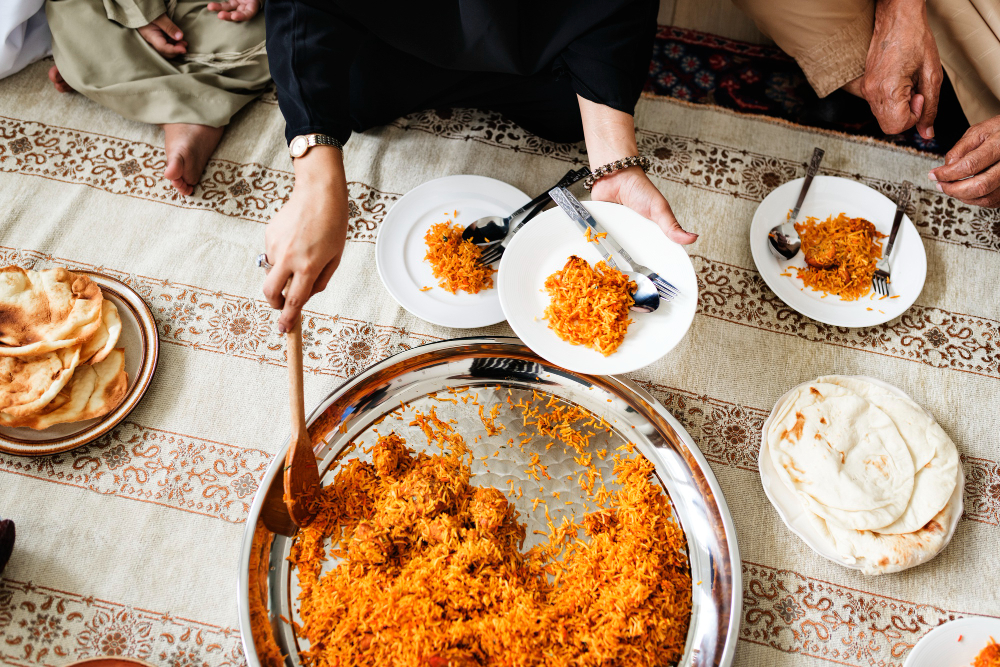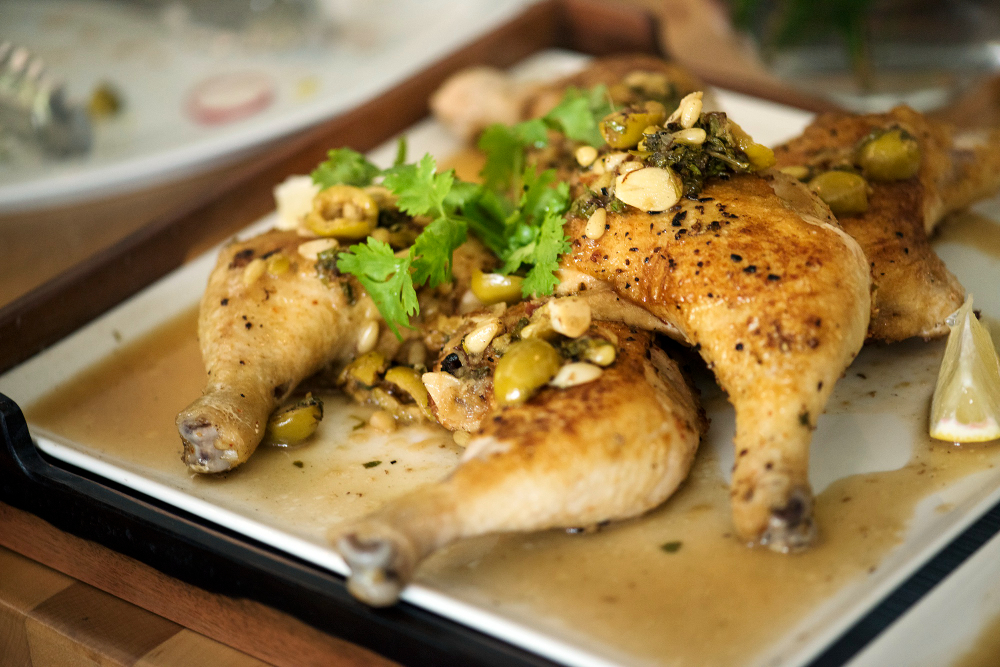


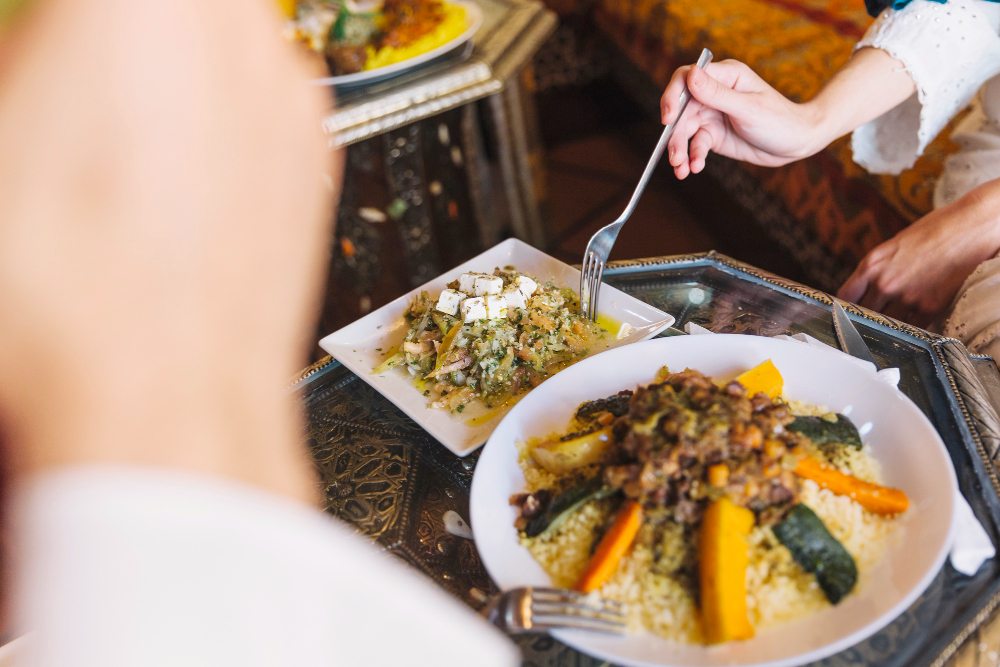
Moroccan cuisine often conjures images of lavish banquets, intricate spice blends, and slow-cooked meats served in ornate tagines. While the country is renowned for its hospitality and rich culinary heritage, a common misconception persists that authentic Moroccan dining requires expensive ingredients or hours of complex preparation. In reality, the backbone of Moroccan food culture is rooted in resourcefulness, seasonality, and the ability to transform humble, pantry-staple ingredients into nourishing and flavorful meals. For travelers exploring the medinas of Fes or Marrakech, and for home cooks looking to replicate these flavors without breaking the bank, understanding the economics of Moroccan cooking opens up a world of delicious, budget-friendly dinner ideas.
The foundation of affordable Moroccan dining lies in the strategic use of legumes, grains, and seasonal vegetables. Meat, while celebrated, is often used as a condiment or flavoring agent rather than the centerpiece of every meal. This approach not only aligns with traditional dietary patterns but also significantly reduces the cost per serving. By focusing on dishes that leverage lentils, chickpeas, couscous, and root vegetables, one can create hearty dinners that are both economically sound and nutritionally dense. The FAO’s guidelines on sustainable diets highlight how plant-forward traditional diets, like those found in North Africa, offer a model for affordable and healthy eating globally.
The Economics of the Moroccan Pantry
To master budget-friendly Moroccan cooking, one must first understand the composition of the traditional pantry. The Moroccan kitchen is rarely stocked with expensive, imported superfoods; instead, it relies on locally sourced, high-volume staples that have sustained populations for centuries. Olive oil, cumin, paprika, turmeric, ginger, and saffron (used sparingly) form the aromatic base of countless dishes. These spices, when bought in bulk from local souks or international markets, offer an incredibly low cost per use while delivering maximum flavor impact. The International Trade Centre provides data on spice trade flows, illustrating how Morocco’s domestic production keeps these essential flavorings accessible and affordable for local households.
Grains are the true workhorses of the budget Moroccan dinner. Couscous, made from semolina wheat, is perhaps the most iconic. It is inexpensive, quick to prepare, and highly versatile. A single kilogram of couscous can feed a family of four when bulking out the dish with vegetables and broth. Similarly, bread, specifically khobz, is not just a side dish but a utensil and a primary source of calories. In many households, a dinner might consist largely of bread dipped in a communal bowl of soup or stew, a practice that stretches ingredients further. The World Bank’s reports on food security in the Middle East and North Africa often cite the reliance on cereals as a critical factor in maintaining caloric intake during economic fluctuations.
Legumes are the second pillar of affordability. Chickpeas, lentils, and fava beans are dried, stored for long periods, and rehydrated as needed. They provide essential proteins and fibers at a fraction of the cost of animal protein. Dishes like Bissara (fava bean soup) or Harira (a lentil and tomato-based soup) are classic examples where the primary cost is the dried legume itself. These ingredients are widely available in grocery stores worldwide, making them accessible for international cooks aiming to replicate Moroccan flavors on a budget. The USDA FoodData Central offers comprehensive nutritional profiles for these legumes, confirming their status as nutrient-dense, cost-effective protein sources.
Soups and Stews: The Heart of Affordable Dining
Soup holds a place of honor in Moroccan dining, particularly for evening meals. It is often the first course, but in budget-conscious households, a thick, hearty soup can easily serve as the main event. Harira is the quintessential example. Traditionally associated with breaking the fast during Ramadan, this soup is a masterclass in stretching ingredients. It combines tomatoes, lentils, chickpeas, onions, and celery with a small amount of lamb or beef, or sometimes no meat at all. The texture is thickened with flour or vermicelli, creating a filling meal that warms the soul and satisfies hunger without requiring expensive cuts of meat. Recipes for authentic Harira can be explored through cultural culinary archives like Saveur’s guide to North African soups, which detail the balance of spices and textures required.
Another staple is Bissara, a creamy soup made from dried fava beans, garlic, cumin, and olive oil. Historically a breakfast dish for laborers due to its high energy content, it serves equally well as a light yet satisfying dinner. The cost of dried fava beans is minimal, and the preparation involves simple simmering and blending. Topped with a drizzle of olive oil and a sprinkle of paprika, it presents a rustic elegance that belies its low cost. This dish exemplifies the Moroccan principle of using what is available and elevating it through technique and seasoning. For those interested in the historical context of such dishes, UNESCO’s Intangible Cultural Heritage list recognizes the culinary practices surrounding couscous and related traditions, highlighting their social and economic significance.
Tagines, the slow-cooked stews named after the conical clay pot they are cooked in, are often perceived as special occasion foods. However, vegetable tagines are among the most budget-friendly dinner options. A tagine of potatoes, carrots, zucchini, and turnips, flavored with preserved lemons and olives, requires no meat to be delicious. The slow cooking process breaks down the fibers of the vegetables, melding the flavors and creating a rich sauce that pairs perfectly with bread or couscous. Preserved lemons, a key ingredient, can be made at home for pennies compared to the cost of buying them imported. The Smithsonian Magazine’s coverage of Mediterranean diets often touches on how such preservation methods were developed to extend the shelf life of seasonal produce, ensuring food availability year-round.
Grain-Based Meals: Couscous and Beyond
While often served with meat, couscous dishes can be entirely vegetarian and still remain deeply satisfying. The secret lies in the tfaya, a sweet and savory topping made from caramelized onions and raisins, or a robust vegetable broth. A “seven-vegetable couscous” is a traditional Friday dish, but a simplified version using whatever seasonal vegetables are on sale—pumpkin in the autumn, zucchini in the summer, carrots year-round—makes for an excellent budget dinner. The semolina grains absorb the flavors of the steaming vegetables above them, creating a cohesive dish where every bite is infused with aroma. Detailed techniques for steaming couscous properly can be found in resources like Serious Eats’ culinary guides, which explain the science behind the texture and flavor absorption.
Beyond couscous, other grain-based dishes offer variety. Rfissa is a traditional dish made from shredded msemen (a type of flatbread) or trid, soaked in a broth of lentils, chicken, and fenugreek. While chicken is often used, the dish can be adapted to use less meat or rely on the richness of the lentil broth and the distinct flavor of fenugreek to carry the dish. The use of leftover bread in Rfissa is a prime example of waste reduction, a critical component of budget cooking. Similarly, Harcha, a semolina bread often pan-fried, can be served with cheese or honey for a quick, inexpensive meal. The International Grains Council tracks global grain markets, noting the stability and affordability of wheat and semolina products in North African consumption patterns.
Pizza-like flatbreads are also popular street foods that translate well to home cooking. Msemen and Baghrir (the thousand-hole pancake) are typically breakfast items but can be repurposed for dinner. Stuffed Msemen with a mixture of spiced onions, peppers, and perhaps a bit of tuna or egg creates a handheld meal that is cheap to produce and easy to eat. These dough-based meals rely on flour, water, oil, and salt—the four cheapest ingredients in any kitchen—transformed by skillful layering and frying. For those looking to master dough handling, King Arthur Baking’s educational resources provide fundamental techniques applicable to North African flatbreads, emphasizing hydration and resting times.
Strategic Use of Protein: Maximizing Flavor, Minimizing Cost
In budget-friendly Moroccan cooking, meat is treated as a flavor enhancer rather than the main attraction. A small amount of ground meat can be stretched across a large pot of soup or used to top a mountain of couscous, providing the savory depth (umami) that defines the cuisine without requiring a steak-sized portion per person. Lamb and beef are traditional, but chicken is often more economical and cooks faster. Offal, such as liver or heart, is also highly valued in Moroccan cuisine for its intense flavor and low cost, though it may be less familiar to international cooks. The Food and Agriculture Organization (FAO) frequently publishes on the nutritional value of diverse protein sources, including offal and legumes, advocating for their inclusion in balanced diets.
Fish is another viable option, particularly in coastal regions or areas with access to affordable frozen seafood. Sardines are a staple in Morocco, often grilled simply with cumin and lemon or stuffed with a chermoula marinade (a blend of cilantro, parsley, garlic, and spices). They are incredibly cheap, rich in omega-3 fatty acids, and cook in minutes. A dinner of grilled sardines with a side of salad and bread is a complete, healthy, and low-cost meal. The Monterey Bay Aquarium Seafood Watch provides recommendations on sustainable and affordable fish choices, noting that sardines and other small pelagic fish are often among the most eco-friendly and budget-conscious options.
Eggs also play a significant role in budget dinners. Shakshuka, while having roots across the region, is a common sight in Moroccan homes. Eggs poached in a spicy tomato and pepper sauce make for a quick, protein-rich dinner. Variations might include adding leftover vegetables or a handful of olives. This dish demonstrates how a few eggs can be transformed into a substantial meal through the addition of a robust, spiced sauce. The American Egg Board offers numerous recipes and nutritional data supporting eggs as a cost-effective protein source, aligning with the Moroccan approach to using them as a central dinner component when meat is scarce.
Seasonal Eating and Market Dynamics
The cost of dinner in Morocco is heavily influenced by the seasons. Cooking with the seasons is not just a trend but a necessity for keeping costs low. In the winter, citrus fruits, root vegetables, and leafy greens like spinach and chard are abundant and cheap. Summer brings tomatoes, peppers, zucchini, and eggplants at their peak prices—low. Understanding these cycles allows cooks to plan menus that align with market lows. For instance, a summer dinner might feature Zaalouk (a cooked eggplant and tomato salad) served with bread, while a winter dinner might focus on a hearty potato and turnip tagine. The Local Harvest network, while US-centric, offers tools and educational materials on how to identify seasonal produce, a principle that applies universally to reducing grocery bills.
Shopping habits also dictate the budget. In Morocco, the daily trip to the souk (market) allows housewives to buy exactly what is needed for that day’s meal, reducing waste and ensuring freshness. Prices in souks are generally lower than in supermarkets, and bargaining is part of the culture. For those cooking outside of Morocco, buying in bulk from ethnic grocery stores or international aisles can mimic this cost efficiency. Spices, dried legumes, and grains are significantly cheaper in these venues. The Specialty Food Association often highlights the economic benefits of sourcing ingredients from specialized retailers, where competition and volume drive prices down for staple ethnic ingredients.
Reducing food waste is another critical economic strategy. Moroccan cuisine has a zero-waste philosophy. Stale bread is never thrown away; it is used in soups, stuffings, or desserts like Sellou. Vegetable peels and bones are saved to make broth. Leftover tagine is often repurposed into a filling for sandwiches or mixed with eggs the next day. This circular approach to food management ensures that every dirham spent yields maximum utility. The Natural Resources Defense Council (NRDC) provides extensive research on food waste reduction, noting that household-level changes in planning and leftovers management can significantly lower food expenditures.
Comparative Analysis of Budget Moroccan Dinner Options
To visualize the cost-effectiveness and nutritional value of various Moroccan dinner ideas, the following table compares popular dishes based on primary ingredients, estimated cost per serving, preparation time, and protein source. This comparison assumes the use of standard grocery store pricing and bulk purchasing of staples.
| Dish Name | Primary Ingredients | Estimated Cost Per Serving | Prep & Cook Time | Primary Protein Source | Dietary Notes |
|---|---|---|---|---|---|
| Harira | Lentils, chickpeas, tomatoes, onions, celery, vermicelli | $0.80 – $1.20 | 60 mins | Legumes (optional small meat garnish) | High fiber, vegan adaptable |
| Bissara | Dried fava beans, garlic, cumin, olive oil | $0.60 – $0.90 | 45 mins (plus soaking) | Legumes | Vegan, gluten-free |
| Vegetable Tagine | Potatoes, carrots, zucchini, preserved lemon, olives | $1.00 – $1.50 | 75 mins | None (or chickpeas added) | Vegan, nutrient-dense |
| Sardines with Chermoula | Fresh/frozen sardines, cilantro, parsley, garlic, lemon | $1.50 – $2.00 | 20 mins | Fish (Sardines) | High Omega-3, pescatarian |
| Seven-Veg Couscous | Semolina couscous, seasonal mixed vegetables, broth | $1.10 – $1.60 | 50 mins | Legumes (if chickpeas added) | Vegetarian, high carb |
| Shakshuka | Eggs, tomatoes, bell peppers, onions, spices | $1.20 – $1.70 | 25 mins | Eggs | Vegetarian, gluten-free |
| Lentil Rfissa | Shredded bread/trid, lentils, fenugreek, onion | $0.90 – $1.30 | 50 mins | Legumes | Vegetarian adaptable |
| Stuffed Msemen | Flour dough, spiced onions, peppers, optional tuna | $0.70 – $1.10 | 40 mins | None (or Tuna/Egg) | Vegetarian adaptable |
This table illustrates that the most affordable options are predominantly plant-based, relying on dried legumes and grains. However, even dishes incorporating animal protein, such as sardines or eggs, remain within a very reasonable budget range compared to Western meat-centric dinners. The preparation times vary, with soups and tagines requiring longer simmering to develop flavor, while dishes like Shakshuka and grilled fish offer quick solutions for busy evenings. The versatility of these dishes allows for easy adaptation based on dietary restrictions, with most being naturally vegan or easily convertible.
Practical Tips for Replicating Moroccan Flavors Economically
For those cooking outside of Morocco, achieving authentic flavors on a budget requires a few strategic adjustments. First, invest in whole spices and grind them at home. Pre-ground spices lose potency quickly and are often more expensive per ounce. A simple coffee grinder dedicated to spices can release the essential oils of cumin, coriander, and peppercorns, dramatically improving the taste of a dish for a negligible cost. The Spruce Eats’ guide to spices offers detailed advice on buying, storing, and grinding spices to maximize freshness and flavor intensity.
Second, master the art of the chermoula and ras el hanout. Chermoula is a marinade and sauce made from herbs, garlic, oil, and acid. It can transform cheap fish or roasted vegetables into a gourmet experience. Ras el hanout is a complex spice blend; while pre-mixed versions are available, making a simplified version at home using common spices like cinnamon, ginger, turmeric, and cardamom can be more economical and customizable. Making these bases in bulk and freezing them in ice cube trays ensures that a burst of flavor is always available without the need for fresh herbs every night.
Third, utilize pressure cookers or slow cookers. Traditional tagines require low, slow heat, which can be energy-intensive. A slow cooker or an Instant Pot can replicate the tenderizing effects of long cooking times on tough, cheap cuts of meat or dried beans, using less energy and less active monitoring. This modern adaptation makes weeknight Moroccan cooking feasible for working families. The Good Housekeeping Institute regularly tests and reviews slow cookers and pressure cookers, highlighting their efficiency in preparing legume-heavy and stew-based meals.
Finally, do not underestimate the power of garnishes. A simple Moroccan dinner can be elevated with fresh cilantro, a squeeze of lemon, a drizzle of good olive oil, or a sprinkle of toasted sesame seeds. These finishing touches add texture, brightness, and a sense of completion to the meal without adding significant cost. They signal care and attention to detail, turning a basic bowl of lentils into a thoughtful dining experience.
Frequently Asked Questions
Q: Is Moroccan food inherently expensive to cook at home?
A: No, Moroccan food is not inherently expensive. In fact, it is one of the most budget-friendly cuisines to prepare at home. The cuisine relies heavily on inexpensive staples such as lentils, chickpeas, couscous, seasonal vegetables, and bread. Meat is traditionally used in smaller quantities as a flavoring agent rather than the main component, which significantly lowers the overall cost of the meal.
Q: What are the best budget-friendly protein sources for Moroccan dinners?
A: The best budget-friendly protein sources include dried legumes like lentils, chickpeas, and fava beans. Eggs and canned or frozen sardines are also excellent, low-cost options. When using meat, buying tougher cuts that benefit from slow cooking or using ground meat sparingly to stretch a dish is the traditional and economical approach.
Q: Can I make authentic Moroccan food without a tagine pot?
A: Absolutely. While a tagine pot is traditional and adds a specific aesthetic and moisture-retention quality, it is not strictly necessary. A heavy-bottomed Dutch oven, a cast-iron skillet, or a slow cooker can effectively replicate the slow-cooking process required for stews and tagines. The key is low heat and a tight-fitting lid to trap steam.
Q: How can I reduce the sodium content in preserved lemons and olives?
A: Preserved lemons and olives are naturally salty. To reduce the sodium content in a dish, rinse them thoroughly under cold water before adding them to the recipe. Additionally, you can soak preserved lemons in fresh water for a few hours to draw out excess salt. Adjust the amount of added salt in the rest of the dish accordingly, tasting as you go.
Q: Are there vegan options available in traditional Moroccan cuisine?
A: Yes, there are numerous naturally vegan dishes in Moroccan cuisine. Many soups like Bissara and Harira (without meat garnish), vegetable tagines, Zaalouk (eggplant dip), and Taktouka (cooked pepper and tomato salad) are plant-based. Couscous served with a variety of steamed vegetables is also a classic vegan meal.
Q: Where is the best place to buy affordable Moroccan spices?
A: The most affordable place to buy Moroccan spices is often at local Middle Eastern, North African, or Indian grocery stores. These shops typically sell spices in bulk at a much lower price per ounce than standard supermarkets. Online retailers specializing in bulk spices can also be cost-effective if buying larger quantities.
Q: How long does it take to prepare a typical Moroccan dinner?
A: Preparation times vary. Soups and stews like tagines often require 45 minutes to over an hour of simmering to develop flavors and tenderize ingredients, though active prep time is usually short (15-20 minutes). Quick dishes like Shakshuka, grilled fish, or salads can be prepared in under 30 minutes. Using a pressure cooker can significantly reduce cooking times for legumes and tough meats.
Q: What is the role of bread in a Moroccan dinner?
A: Bread (khobz) plays a central role in Moroccan dining. It is used as a utensil to scoop up food from communal dishes, to soak up sauces and broths, and as a source of carbohydrates to make the meal filling. In budget-conscious meals, bread often constitutes a larger portion of the calorie intake, stretching the more expensive components of the dish.
Conclusion
Exploring budget-friendly dinner ideas through the lens of Moroccan cuisine reveals a culinary tradition that is as economically savvy as it is flavorful. The essence of Moroccan cooking lies not in extravagance, but in the masterful manipulation of humble ingredients. By prioritizing legumes, grains, and seasonal vegetables, and by treating meat as a accent rather than the anchor, one can create meals that are nourishing, satisfying, and gentle on the wallet. The techniques of slow cooking, spice blending, and zero-waste practices further enhance the value proposition of this cuisine, offering a sustainable model for modern dining.
For the home cook, adopting these principles means more than just saving money; it means engaging with a rich cultural heritage that values community, resourcefulness, and the joy of sharing a meal. Whether it is a bowl of steaming Harira on a chilly evening, a vibrant vegetable tagine shared with family, or a quick plate of sardines with fresh herbs, these dishes prove that high-quality dining does not require a high price tag. As global food costs fluctuate, the wisdom embedded in Moroccan culinary traditions offers a timeless guide to eating well. By stocking the pantry with the right staples, understanding the rhythm of the seasons, and embracing the art of slow transformation, anyone can bring the warmth and richness of a Moroccan dinner table into their own home, night after night.