

The culinary landscape of North Africa is defined by a rich tapestry of aromas, where the earthy warmth of cumin meets the bright zest of preserved lemons and the floral notes of saffron. For many home cooks, Moroccan cuisine represents a pinnacle of flavor complexity, often associated with slow-simmered tagines that require hours of attention. However, the reality of modern dining demands efficiency without sacrificing authenticity. It is entirely possible to replicate the depth of a traditional Moroccan feast in a fraction of the time by understanding the core mechanics of the cuisine’s spice blends and cooking techniques. A quick chicken dinner prepared Moroccan style is not a compromise; it is a strategic application of high-heat searing, potent marinades, and the layering of spices that defines this region’s gastronomy. By focusing on the quality of ingredients and the timing of their introduction to the pan, one can achieve a meal that satisfies the palate and adheres to the rigorous standards of traditional flavor profiles, all within a timeframe suitable for a busy weeknight.
The Foundation: Understanding the Spice Architecture
The soul of any Moroccan dish lies in its spice blend, commonly known as ras el hanout. This complex mixture is not a single static formula but rather a dynamic combination that can include upwards of thirty different spices, ranging from common staples like coriander and cumin to more exotic inclusions like grains of paradise or dried rosebuds. For a quick dinner, the integrity of this blend is paramount because there is no long simmering time to mellow out raw spice flavors. When selecting or creating a blend for a rapid preparation, it is essential to prioritize toasted whole spices ground fresh, as pre-ground varieties found in standard grocery aisles often lack the volatile oils necessary to impart immediate impact. The Science of Cooking emphasizes that the surface area of freshly ground spices releases aromatic compounds instantly upon contact with heat, a critical factor when cooking time is condensed.
Beyond the general blend, specific spices play distinct roles in building the flavor profile of a quick chicken dish. Turmeric provides an earthy base and a vibrant golden hue, while ginger adds a sharp, warming undertone that cuts through the richness of the chicken fat. Paprika, particularly the smoked variety, introduces a subtle depth that mimics the char of outdoor grilling, a technique often used in Moroccan street food. Saffron, though expensive, remains a non-negotiable element for authentic dishes like djaj mhamer; even a few threads infused in warm broth can transform the entire character of the sauce. According to research from the University of Maryland Medical Center, saffron contains crocin and picrocrocin, compounds responsible for its color and bitter taste, which also offer antioxidant properties, adding a layer of nutritional value to the meal. The balance of these spices must be precise; too much cumin can overwhelm the delicate chicken, while insufficient ginger may leave the dish tasting flat.
Garlic and fresh herbs serve as the bridge between the dry spices and the protein. In Moroccan cooking, garlic is rarely used sparingly; it is often crushed into a paste with salt to create a seamless integration into marinades. Fresh cilantro and parsley are not merely garnishes but are frequently cooked into the sauce or used in chermoula, a marinade that acts as the primary flavor vehicle for fish and poultry. The acidity in these herbs, combined with lemon juice, helps to tenderize the chicken quickly, a chemical process explained by the American Chemical Society regarding how acids denature proteins on the surface of the meat. This tenderizing effect is crucial for quick-cooking methods where the chicken does not have hours to break down naturally. By mastering the ratio of dry spices to wet aromatics, a cook can ensure that every bite of a rapidly prepared chicken dinner carries the full spectrum of Moroccan flavor.
Selecting and Preparing the Protein for Rapid Cooking
The choice of chicken cut significantly influences the success of a quick Moroccan dinner. While whole chickens or bone-in, skin-on thighs are traditional for slow-cooked tagines, they require longer cooking times to render fat and tenderize connective tissue. For a meal intended to be ready in under 45 minutes, boneless, skinless chicken thighs offer the ideal balance of flavor retention and cooking speed. Thigh meat possesses a higher fat content than breast meat, which keeps it moist during high-heat searing and prevents the dryness that often plagues quick-cooked poultry. The USDA FoodData Central provides detailed nutritional breakdowns confirming that thigh meat maintains better structural integrity under rapid temperature changes compared to leaner cuts. Furthermore, the texture of thigh meat absorbs marinades more effectively, allowing the aggressive flavors of ras el hanout and chermoula to penetrate deeply in a short marination window.
If chicken breast is preferred for dietary reasons, specific preparation techniques must be employed to mimic the juiciness of darker meat. Pounding the breasts to an even thickness ensures uniform cooking, preventing the outer layers from drying out before the center reaches a safe temperature. Cutting the chicken into uniform cubes or strips, as done in tehalit (a stir-fry style dish), increases the surface area exposed to the spice crust, maximizing flavor in every bite. This method also drastically reduces cooking time, allowing the chicken to sear quickly in a hot skillet while remaining tender inside. It is vital to pat the chicken completely dry before seasoning; moisture on the surface creates steam rather than a sear, inhibiting the Maillard reaction that produces the complex, savory flavors associated with well-cooked meat. The Institute of Food Technologists notes that the Maillard reaction occurs most efficiently at temperatures above 300°F (150°C), a threshold easily reached in a dry, preheated pan but difficult to achieve if the protein is wet.
Marination time is another variable that can be optimized for speed. While traditional recipes might call for overnight marination, a high-acid, high-salt marinade can yield significant results in as little as 20 minutes. The salt draws moisture out of the cells, dissolves, and then re-absorbs into the meat, carrying dissolved spices with it. Adding a small amount of yogurt to the marinade can further accelerate tenderization due to the presence of lactic acid and calcium, which activate enzymes that break down muscle fibers. This technique is widely used in South Asian and Middle Eastern cuisines and translates perfectly to Moroccan preparations. For the quickest turnaround, rubbing the spice blend directly onto the dry chicken just before cooking, followed by a generous drizzle of olive oil in the pan, can create a flavorful crust that locks in juices. The key is ensuring the spices are evenly distributed and pressed firmly onto the meat to prevent them from burning in the hot oil before the chicken cooks through.
Mastering the One-Pan Sear and Simmer Technique
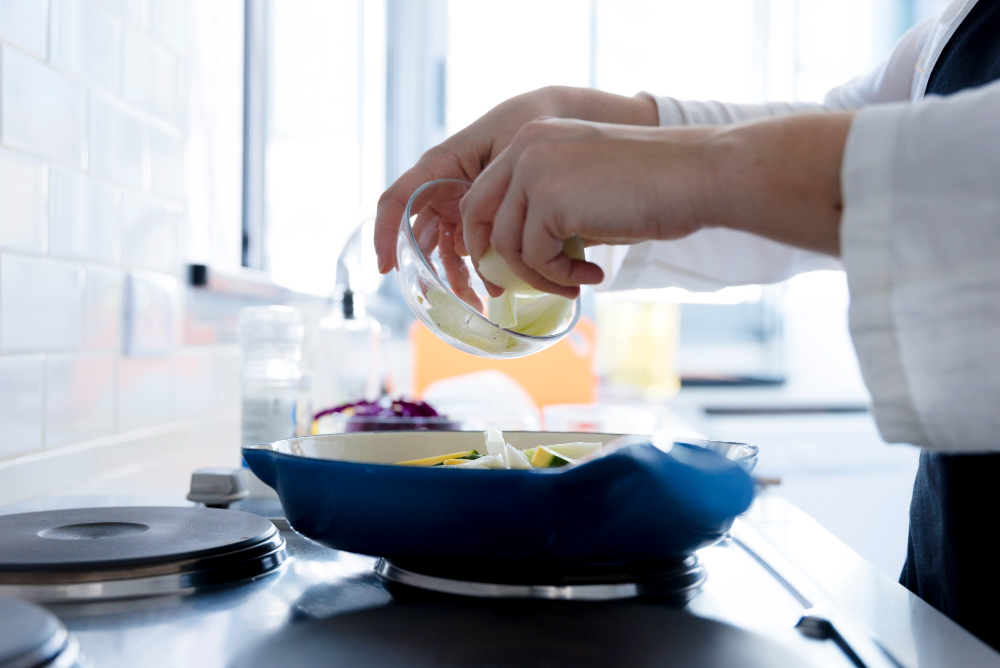
The most efficient method for preparing a quick Moroccan chicken dinner is the one-pan sear and simmer technique, which consolidates cooking steps and minimizes cleanup while maximizing flavor development. This approach begins with heating a heavy-bottomed skillet, such as cast iron or carbon steel, over medium-high heat. These materials retain heat exceptionally well, providing the consistent thermal energy needed to sear the chicken properly. Once the pan is hot, a generous amount of olive oil is added, followed by the seasoned chicken pieces arranged in a single layer with ample space between them. Crowding the pan lowers the temperature and causes the chicken to steam rather than brown, resulting in a pale, less flavorful outcome. Allowing the chicken to develop a deep golden-brown crust on one side before flipping ensures a robust foundation of flavor. This initial sear is not just about aesthetics; it creates a barrier that helps retain internal moisture during the subsequent simmering phase.
After the chicken is seared on both sides, it is temporarily removed from the pan to make room for the aromatics. Onions, sliced thinly or diced, are added to the residual fat and cooked until translucent and slightly caramelized. This step deglazes the pan, lifting the fond—the browned bits stuck to the bottom—which is packed with concentrated flavor. Garlic and ginger are then introduced, cooked briefly until fragrant but not browned, as burnt garlic imparts a bitter taste that can ruin the dish. At this stage, the remaining dry spices are often bloomed in the oil for thirty seconds to unlock their full potential before liquid is added. The chicken is returned to the pan, nestled among the onions, and covered with a modest amount of chicken stock or water. The liquid should not submerge the chicken entirely; rather, it should come halfway up the sides, allowing the top to remain exposed to the dry heat of the oven or the upper part of the pan.
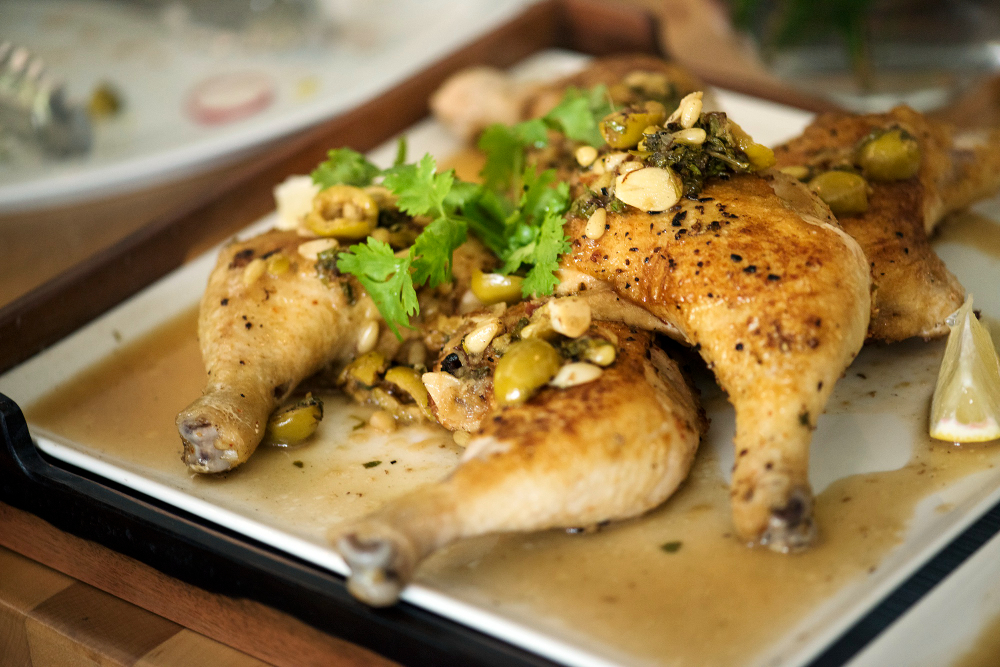
The final phase involves a brief simmer, either on the stovetop with a lid or in a preheated oven. If using the oven, a temperature of 400°F (200°C) is ideal for finishing the chicken quickly while reducing the sauce to a glossy consistency. During this time, vegetables such as zucchini, bell peppers, or carrots can be added to the pan, absorbing the spiced broth and cooking through in the same timeframe. Olives and preserved lemons, the hallmarks of Moroccan cuisine, are added in the last five to ten minutes of cooking. Adding them too early can cause the olives to become mushy and the preserved lemon rind to lose its distinctive texture and bright punch. The result is a cohesive dish where the chicken is tender, the vegetables are crisp-tender, and the sauce is rich and intensely flavored. This method, endorsed by culinary experts at the Culinary Institute of America, demonstrates how professional techniques can be adapted for home efficiency without losing the essence of the cuisine.
Essential Accompaniments and Traditional Pairings
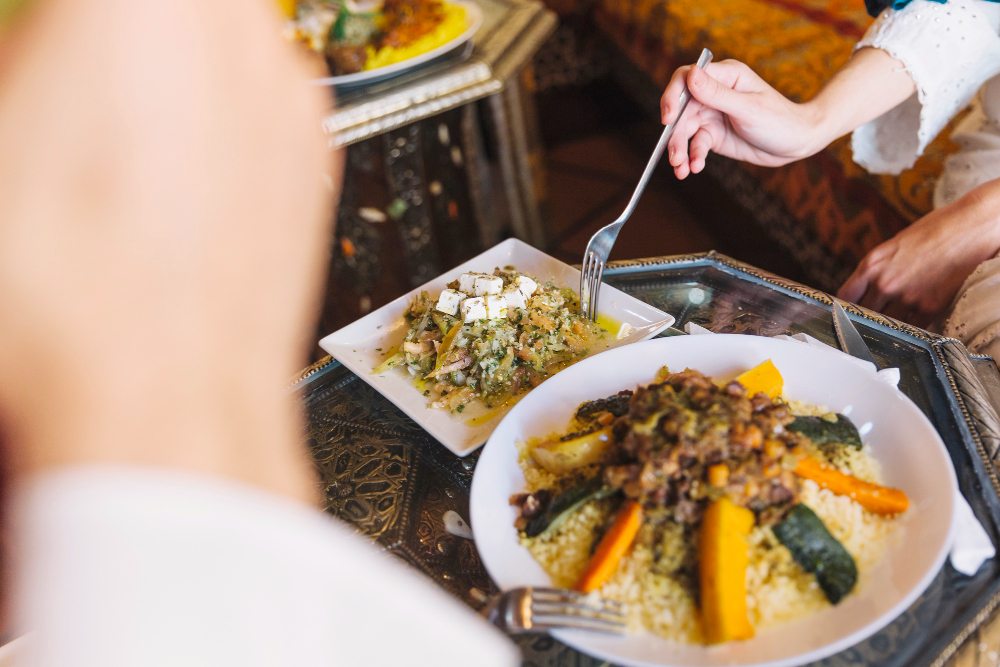
No Moroccan chicken dinner is complete without the appropriate accompaniments that balance the rich, spiced main course. Couscous remains the most traditional and practical side dish, particularly for quick meals, as it requires minimal cooking time. Instant or pre-steamed couscous can be prepared in just five minutes by pouring boiling broth over the grains and letting them steam under a cover. To elevate this simple staple, the cooking liquid can be infused with the same spices used in the chicken, such as turmeric, cinnamon, and a pinch of saffron, creating a harmonious flavor thread throughout the meal. Fluffing the cooked couscous with a fork and stirring in fresh herbs, toasted almonds, or raisins adds texture and sweetness that contrast beautifully with the savory chicken. The FAO (Food and Agriculture Organization) highlights the nutritional completeness of pairing grains with legumes or proteins, noting that such combinations provide a balanced amino acid profile essential for a wholesome diet.
For those seeking a lower-carbohydrate option or a variation in texture, roasted root vegetables or a fresh salad provide excellent alternatives. A classic Moroccan salad often features diced tomatoes, cucumbers, onions, and peppers dressed simply with olive oil, lemon juice, and cumin. The acidity and freshness of the salad cut through the richness of the spiced chicken, cleansing the palate between bites. Another popular accompaniment is zaalouk, a cooked eggplant and tomato dip that can be prepared quickly while the chicken rests. The smokiness of the eggplant complements the warm spices of the chicken, creating a multi-dimensional dining experience. Bread, specifically khobz or a rustic sourdough, is also integral to the meal, used to scoop up the sauce and vegetables, adhering to the traditional communal eating style where utensils are often secondary to hands and bread.
Beverage pairings also play a role in rounding out the meal. Mint tea, traditionally served after the meal to aid digestion, can be enjoyed alongside the dinner for a refreshing contrast to the warm spices. The menthol in the mint provides a cooling sensation that balances the heat of the chili and ginger in the chicken. For a non-alcoholic option during the meal, water infused with lemon and cucumber offers a neutral palate cleanser. If wine is preferred, a light-bodied red such as a Grenache or a crisp white like a Viognier pairs well with the complex spice profile, as these wines have enough fruit forwardness to stand up to the cumin and coriander without clashing. Understanding these pairings enhances the overall dining experience, transforming a simple weeknight dinner into a culturally immersive event.
Comparative Analysis of Cooking Methods for Moroccan Chicken
To fully appreciate the efficiency and quality of the quick sear-and-simmer method, it is helpful to compare it against other common cooking techniques used for Moroccan chicken. The following table outlines the differences in time investment, flavor development, texture, and equipment requirements across various methods. This comparison highlights why the quick method stands out for weeknight dinners while acknowledging the specific niches where other methods excel.
| Feature | Traditional Tagine (Slow Cook) | Quick Skillet Sear & Simmer | Oven-Roasted Whole Chicken | Grilled Chicken (Chermoula) |
|---|---|---|---|---|
| Prep & Cook Time | 2 – 4 Hours | 30 – 45 Minutes | 1.5 – 2 Hours | 20 – 30 Minutes (+ Marination) |
| Flavor Profile | Deeply melded, subtle, complex | Intense, distinct spice layers, bright | Concentrated, savory, herbal | Smoky, charred, zesty |
| Texture | Fall-off-the-bone tender | Juicy interior with seared crust | Crispy skin, tender meat | Firm, charred exterior |
| Equipment Needed | Clay Tagine or Dutch Oven | Heavy Skillet / Frying Pan | Roasting Pan / Sheet Tray | Grill or Grill Pan |
| Active Monitoring | Low (Set and forget) | Medium (Searing & Timing) | Low (Mostly passive) | High (Flip & manage heat) |
| Best Cut of Chicken | Bone-in, Skin-on Thighs/Legs | Boneless Thighs or Cubed Breast | Whole Chicken or Quarters | Thighs, Drumsticks, or Wings |
| Sauce Consistency | Thick, reduced gravy | Glossy, emulsified pan sauce | Minimal natural juices | Marinade reduction / Glaze |
| Ideal Occasion | Weekend gatherings, special events | Busy weeknights, quick meals | Sunday dinner, meal prep | Summer evenings, outdoor dining |
As illustrated in the table, the quick skillet method offers a unique advantage in balancing time and flavor intensity. While the traditional tagine yields unparalleled tenderness through slow collagen breakdown, it demands a time commitment that is often impractical for daily dining. Conversely, grilling offers speed and a distinct smoky flavor but is weather-dependent and requires constant attention to prevent burning the sugar-heavy components of a chermoula marinade. The oven-roasted method is excellent for feeding a crowd but lacks the immediate sauce integration that defines a Moroccan stew-like dish. The skillet method captures the best of both worlds: the ability to create a rich, integrated sauce in the same pan as the protein, and the speed required for modern schedules. This versatility makes it the superior choice for those seeking authentic Moroccan flavors without the logistical constraints of traditional slow cooking.
Troubleshooting Common Pitfalls in Quick Moroccan Cooking
Even with a streamlined process, certain challenges can arise when attempting to replicate complex flavors quickly. One frequent issue is the bitterness that can develop if spices are burned during the searing phase. This often happens when the heat is too high or when garlic is added before the pan has cooled slightly from searing the meat. To prevent this, it is advisable to remove the chicken, lower the heat slightly, and then add the aromatics and spices, stirring constantly. If the spices begin to smoke excessively, a splash of liquid—such as stock or lemon juice—can be added immediately to halt the cooking process and deglaze the pan. Another common problem is a lack of depth in the sauce, which can occur if the liquid is not reduced sufficiently. A watery sauce dilutes the impact of the expensive spices like saffron and turmeric. Ensuring the simmer is vigorous enough to evaporate excess water, or finishing the dish uncovered in the oven, can concentrate the flavors to the desired intensity.
Texture issues also frequently plague quick preparations, particularly with chicken becoming dry or vegetables turning mushy. As previously noted, using thigh meat instead of breast meat is the most effective safeguard against dryness. However, if breast meat is used, careful temperature monitoring is essential; removing the chicken from the heat as soon as it reaches 165°F (74°C) prevents overcooking. Regarding vegetables, the timing of their addition is critical. Hard vegetables like carrots should be added earlier or par-boiled, while soft vegetables like zucchini or spinach should be tossed in during the last few minutes of cooking. Preserved lemons, if left in the sauce too long, can release excessive salt and bitterness; rinsing the rinds before use and adding them late in the process mitigates this risk. Additionally, balancing the salt levels is tricky when using preserved lemons and olives, both of which are highly saline. It is often best to withhold added salt until the very end of the cooking process, tasting the sauce after the olives and lemons have infused their flavor.
Frequently Asked Questions
What is the difference between Ras el Hanout and Harissa?
Ras el Hanout is a dry spice blend containing a mixture of up to 30 different ground spices, including cumin, coriander, cinnamon, and cardamom, used to season the meat and sauce. Harissa, on the other hand, is a spicy chili paste made from roasted red peppers, baklouti peppers, garlic, and spices. While Ras el Hanout provides the aromatic backbone of the dish, Harissa adds heat and a distinct pepper flavor. Both can be used in the same dish, but they serve different flavor functions.
Can I make Moroccan chicken without a tagine pot?
Absolutely. A tagine pot is a traditional clay vessel designed for slow cooking over low heat, but it is not required for authentic flavor. A heavy-bottomed skillet, Dutch oven, or even a stainless steel pan works perfectly for quick Moroccan chicken. The key to the flavor lies in the spices and technique, not the cookware. In fact, for quick recipes, a metal skillet is often superior as it conducts heat faster and allows for a better sear.
How do I substitute preserved lemons if I cannot find them?
Preserved lemons have a unique salty, fermented flavor that is difficult to replicate exactly. However, a close approximation can be made by combining fresh lemon zest and juice with a pinch of salt. Some cooks also add a tiny amount of lemon extract or let the fresh lemon sit in salt for a few hours before using. While the depth of fermentation will be missing, the bright citrus and salty notes will still provide the necessary balance to the dish.
Is Moroccan chicken naturally spicy?
Traditional Moroccan cuisine is more focused on aromatic warmth than intense heat. Dishes are typically spiced with ginger, cinnamon, and black pepper rather than hot chilies. However, heat levels can be easily adjusted by adding Harissa paste or cayenne pepper according to personal preference. Many quick recipes allow the cook to control the spice level entirely, making it adaptable for those who prefer mild flavors or those who enjoy significant heat.
What vegetables work best in a quick Moroccan chicken skillet?
Vegetables that cook relatively quickly and absorb flavors well are ideal. Bell peppers, zucchini, cherry tomatoes, spinach, and green beans are excellent choices. Root vegetables like carrots and potatoes can be included but should be cut into small cubes or par-cooked to ensure they are tender by the time the chicken is done. Chickpeas are also a fantastic addition, providing protein and fiber while soaking up the spiced sauce.
Can I prepare the marinade ahead of time?
Yes, preparing the marinade or spice rub ahead of time is highly recommended. In fact, allowing the chicken to sit in the marinade for a few hours or overnight in the refrigerator will deepen the flavor penetration. If time is short, even a 20-minute rest at room temperature while the other ingredients are prepped will yield better results than cooking the spices immediately after applying them.
How should leftovers be stored and reheated?
Leftover Moroccan chicken should be stored in an airtight container in the refrigerator and consumed within three to four days. The flavors often improve the next day as the spices continue to meld. To reheat, gently warm the chicken in a skillet over low heat with a splash of water or broth to prevent drying out. Microwaving is possible but may result in uneven heating and a loss of texture in the vegetables.
Conclusion
The perception that authentic Moroccan cuisine requires hours of slow simmering is a misconception that often deters home cooks from exploring these vibrant flavors on busy weeknights. By deconstructing the elements of the cuisine—focusing on the potency of fresh spice blends, the strategic selection of chicken cuts, and the efficiency of the sear-and-simmer technique—it becomes clear that a high-quality, restaurant-caliber Moroccan chicken dinner is entirely achievable in under 45 minutes. The secret lies not in the duration of cooking, but in the precision of execution: blooming spices correctly, managing heat to ensure a perfect sear, and timing the addition of delicate ingredients like preserved lemons and olives. This approach respects the culinary traditions of North Africa while adapting them to the realities of modern life, proving that speed and authenticity are not mutually exclusive.
Embracing this style of cooking opens the door to a wider repertoire of healthy, flavorful meals that rely on whole ingredients and aromatic complexity rather than heavy creams or excessive sugars. The versatility of the base recipe allows for endless variations, accommodating different dietary needs and seasonal produce availability. Whether served over fluffy saffron-infused couscous, alongside a crisp garden salad, or with a slice of rustic bread to soak up the sauce, a quick Moroccan chicken dinner offers a satisfying and nourishing experience. It invites the cook to engage with the sensory richness of the spices, transforming a routine meal into a moment of cultural appreciation. With the right knowledge and a few key techniques, the warm, inviting aromas of a Moroccan kitchen can be recreated anywhere, anytime, bringing the timeless appeal of this cuisine to the everyday table.