

The concept of a Moroccan dinner often conjures images of elaborate feasts requiring hours of preparation, exotic spices sourced from distant markets, and specialized cookware that sits unused in the back of a cupboard. While traditional celebratory meals in Morocco can indeed be complex affairs involving slow-simmered tagines and hand-rolled couscous, the reality of daily family dining in North Africa is quite different. The backbone of Moroccan home cooking is a cuisine built on efficiency, nutritional balance, and the masterful use of accessible ingredients to create deeply flavorful dishes. For families seeking to introduce variety into their weekly rotation without sacrificing time or budget, Moroccan cuisine offers a treasure trove of recipes that are surprisingly straightforward yet sophisticated in taste.
The Foundation of Flavor: Demystifying the Spice Rack
One of the primary barriers preventing home cooks from attempting Moroccan recipes is the perceived difficulty of sourcing ingredients. In truth, the distinct aroma and taste profile of Moroccan food rely on a specific combination of spices that are readily available in most standard grocery stores. The cornerstone of this flavor profile is Ras el Hanout, a warm, aromatic blend that typically includes cumin, coriander, cinnamon, ginger, and paprika. Unlike curry powders which can vary wildly, Ras el Hanout provides a consistent earthy warmth that defines many classic dishes. Understanding how to balance these spices is less about exact measurements and more about layering flavors during the cooking process.
For those unfamiliar with spice blending, purchasing a high-quality pre-mixed version from a reputable spice merchant or the international aisle of a supermarket is a practical starting point. The Serious Eats guide to essential spices offers excellent breakdowns on how to identify fresh, potent spices versus stale inventory, a critical factor in achieving authentic results. Freshness matters significantly; spices lose their volatile oils over time, resulting in a dusty rather than aromatic dish. Beyond Ras el Hanout, saffron threads, turmeric, and preserved lemons are frequent contributors to the cuisine’s complexity. While saffron can be expensive, a little goes a long way, and its unique floral notes are difficult to replicate with other ingredients.
Preserved lemons, another staple, add a salty, tangy brightness that cuts through the richness of slow-cooked meats and stews. While they can be purchased jarred, they are incredibly simple to make at home with just lemons, salt, and time. This ingredient exemplifies the Moroccan approach to preservation and flavor enhancement, turning a common citrus fruit into a condiment that elevates a simple chicken dish to something extraordinary. Resources like The Kitchn provide step-by-step visual guides for making preserved lemons, ensuring that even novice cooks can master this technique with confidence. By mastering these few core components, the home cook unlocks the ability to recreate a wide array of dishes without needing a pantry full of obscure items.
One-Pot Wonders: The Versatility of the Tagine Method
The term “tagine” refers to both the iconic conical clay pot and the style of stew cooked within it. The design of the vessel is ingenious; the cone-shaped lid traps steam and circulates condensation back onto the food, allowing tough cuts of meat and fibrous vegetables to become tender using very little liquid. However, a specialized clay pot is not a prerequisite for success. A heavy-bottomed Dutch oven or a deep skillet with a tight-fitting lid replicates the cooking environment almost perfectly. This adaptability makes Moroccan stews ideal for weeknight dinners where minimizing cleanup is a priority.
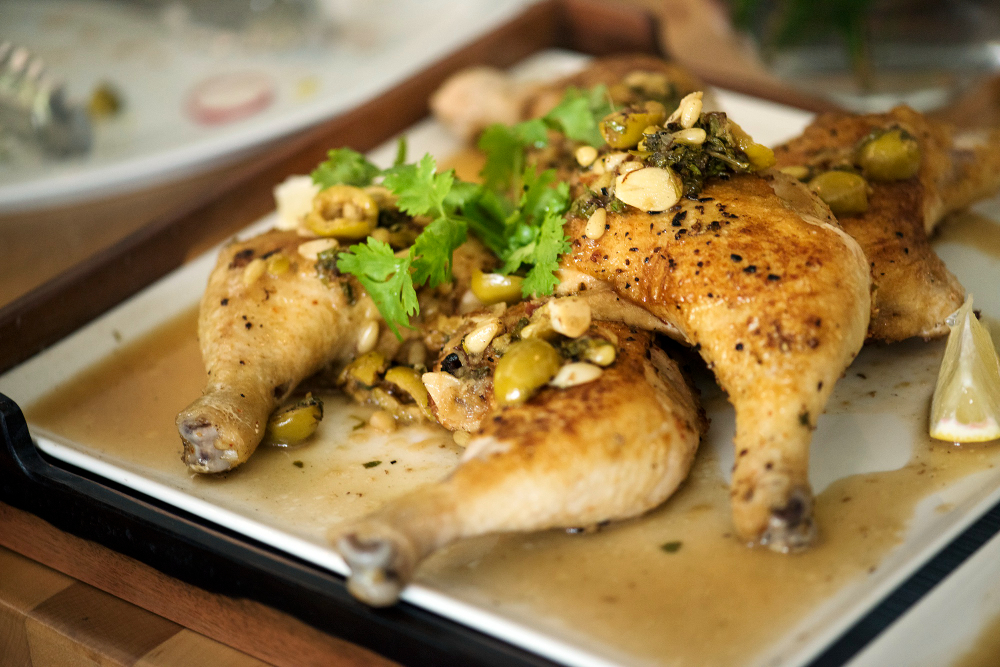
A classic entry point for families is Chicken Tagine with Olives and Preserved Lemon. This dish requires minimal active cooking time. The process involves browning chicken pieces to develop a fond, or caramelized layer, at the bottom of the pot, which adds depth to the sauce. Onions, garlic, and the signature spice blend are sautéed until fragrant before liquid is added. The magic happens during the simmer; the chicken braises gently while the olives and preserved lemon infuse the sauce with a briny, citrusy punch. The result is a dish where the meat falls off the bone and the sauce is rich enough to sop up with crusty bread.
Vegetarian adaptations are equally robust and satisfying. A Vegetable Tagine with Chickpeas and Apricots demonstrates the cuisine’s skillful balancing of sweet and savory elements. Root vegetables like carrots, sweet potatoes, and zucchini hold their shape well during long simmering, while dried apricots or prunes add a natural sweetness that complements the earthy cumin and coriander. Chickpeas provide necessary protein, making the dish a complete meal. The BBC Good Food collection on vegetarian stews highlights how legumes and root vegetables can be the star of hearty mains, a principle central to Moroccan cooking. The texture contrast between the soft vegetables and the slight chew of the dried fruit creates a dining experience that feels luxurious despite the humble ingredients.
When preparing these one-pot meals, timing is the only variable that requires attention. Meat-based tagines generally require 45 minutes to an hour of simmering, whereas vegetable-only versions may be ready in 30 to 40 minutes to prevent the vegetables from turning to mush. Adding delicate greens like spinach or fresh herbs at the very end preserves their color and nutrient content. This method of cooking aligns with modern desires for healthy, whole-food meals that do not require constant monitoring. It allows the cook to prepare the components, set the timer, and attend to other family responsibilities while the aromas fill the kitchen.
The National Staple: Mastering Couscous in Minutes
Couscous is often misunderstood as a grain, but it is technically a type of pasta made from semolina wheat. Its greatest asset for busy families is its speed; unlike rice or quinoa which require boiling water and precise timing, couscous is steamed or simply rehydrated with hot broth. In Morocco, traditional preparation involves steaming the grains multiple times over a simmering stew, but for the home cook, the absorption method yields fluffy, distinct grains in under fifteen minutes. This makes it the perfect accompaniment to the aforementioned tagines or a base for quick skillet meals.
To achieve restaurant-quality texture, the ratio of liquid to couscous is crucial. Typically, a one-to-one ratio by volume works best, though checking the specific package instructions is advisable as grain sizes vary. Bringing the broth or water to a boil, stirring in the couscous and a drizzle of olive oil, then covering and removing from heat allows the steam to do the work. Fluffing with a fork after five minutes separates the grains and prevents clumping. Adding toasted almonds, raisins, or chopped fresh parsley just before serving introduces texture and freshness. The AllRecipes guide to perfect couscous offers variations on this basic technique, suggesting the use of vegetable or chicken stock instead of water to infuse additional flavor directly into the starch.
Couscous also serves as an excellent vehicle for leftover roasted vegetables or grilled meats, embodying the zero-waste philosophy common in Moroccan households. A quick “Friday Couscous” can be assembled by tossing reheated chickpeas, roasted squash, and shredded rotisserie chicken with steamed couscous and a spiced tomato sauce. This flexibility ensures that the ingredient remains useful throughout the week, reducing food waste and meal planning stress. Furthermore, couscous is naturally low in fat and can be easily adapted for gluten-free diets by substituting with millet or gluten-free semolina blends, although traditionalists will argue the texture differs slightly.
Hearty Soups: Harira and Beyond
No discussion of Moroccan family dinners is complete without mentioning soup. While often served to break the fast during Ramadan, soups like Harira are nutritious enough to stand alone as a main course for a light dinner or a starter for a heavier meal. Harira is a complex, velvety soup made with tomatoes, lentils, chickpeas, and vermicelli noodles, thickened with a flour-and-water mixture called tedouira. It is seasoned with a robust array of spices including ginger, turmeric, and celery seed. The beauty of Harira lies in its heartiness; a single bowl provides a balanced mix of carbohydrates, protein, and vegetables.
Preparing Harira ahead of time is highly recommended, as the flavors meld and deepen after sitting for a day. This makes it an ideal candidate for weekend batch cooking, providing ready-made meals for busy weekdays. The soup freezes exceptionally well, allowing families to portion it out for future use. For those looking to increase the protein content, adding shredded lamb or beef transforms the soup into a substantial stew. The Food Network’s repository of international soups features several interpretations of Harira, emphasizing the importance of slow-cooking the tomatoes to develop a rich, umami base before adding the legumes.
Another soup option is Bissara, a creamy fava bean soup that is traditionally eaten for breakfast but works wonderfully as a comforting evening meal when paired with crusty bread and olive oil. Bissara is incredibly simple, requiring dried fava beans, garlic, cumin, and olive oil blended until smooth. Its vibrant green color and earthy flavor profile offer a change of pace from tomato-based soups. Both Harira and Bissara demonstrate how Moroccan cuisine utilizes legumes not just as side dishes, but as central components of the meal, providing affordable nutrition without compromising on taste.
Grilled and Roasted: Simplicity on the Sheet Pan
While stews and soups dominate the cooler months, Moroccan grilling and roasting techniques shine when the weather warms up or when a quicker cooking method is desired. Kefta, or spiced meatballs, are a family favorite that can be baked, pan-fried, or grilled. Made from ground beef or lamb mixed with parsley, cilantro, onions, and spices, Kefta patties are versatile and kid-friendly. They can be served in a tomato sauce similar to a shakshuka base, tucked into pita bread, or skewered and grilled. The key to tender Kefta is avoiding overworking the meat and ensuring the onion mixture is finely minced to distribute moisture evenly.
Sheet pan dinners are a modern adaptation that fits seamlessly into the Moroccan flavor profile. Tossing chunks of chicken thighs, potatoes, and bell peppers with Ras el Hanout, olive oil, and lemon juice, then roasting at high heat, creates a caramelized, flavorful meal with minimal effort. The high heat renders the fat from the chicken skin and crisps the potato edges, while the spices toast in the oven, releasing their full aroma. This method requires no stirring and produces a complete meal on a single tray, aligning with the need for efficient cleanup. The Bon Appétit section on sheet pan dinners frequently highlights how high-heat roasting can mimic the charred flavors of outdoor grilling, a technique that pairs naturally with Moroccan spice blends.
Fish is also prominent in coastal Moroccan cooking. A simple Chermoula-marinated fish involves coating white fish fillets with a marinade of cilantro, parsley, garlic, cumin, paprika, lemon juice, and olive oil. After a brief marination period, the fish can be baked in foil packets or pan-seared. Chermoula acts as both a marinade and a finishing sauce, keeping the fish moist and infusing it with bright, herbaceous notes. This approach is particularly effective for delicate fish varieties that might fall apart during stewing. It showcases the cuisine’s reliance on fresh herbs and acidity to enhance seafood, offering a lighter alternative to meat-heavy stews.
Comparative Overview of Moroccan Family Dinner Options
To assist in meal planning, the following table compares the key characteristics of the primary Moroccan dinner styles discussed. This overview helps families select the right recipe based on available time, dietary preferences, and cooking equipment.
| Dish Category | Primary Cooking Method | Prep Time | Cook Time | Key Ingredients | Best For |
|---|---|---|---|---|---|
| Meat Tagine | Braising / Stewing | 20 mins | 60+ mins | Chicken/Lamb, Olives, Preserved Lemon | Weekend dinners, cold weather |
| Vegetable Tagine | Simmering | 15 mins | 40 mins | Chickpeas, Root Veggies, Dried Fruit | Vegetarian meals, budget-friendly |
| Couscous Bowls | Steaming / Rehydrating | 10 mins | 15 mins | Semolina, Broth, Roasted Veggies | Quick weeknights, leftovers |
| Harira Soup | Slow Simmering | 25 mins | 90 mins | Lentils, Tomatoes, Vermicelli, Herbs | Batch cooking, meal prep |
| Kefta / Skewers | Grilling / Baking | 20 mins | 20 mins | Ground Meat, Fresh Herbs, Spices | High-protein, kid-friendly |
| Sheet Pan Roast | Roasting | 15 mins | 45 mins | Chicken Thighs, Potatoes, Peppers | Minimal cleanup, hands-off |
This comparison illustrates that Moroccan cooking is not monolithic; it offers a spectrum of techniques ranging from the slow, meditative process of braising to the rapid execution of sheet pan roasting. The common thread across all categories is the reliance on aromatic spices and fresh produce to create depth of flavor. Whether a family has an hour to spend in the kitchen or only twenty minutes, there is a Moroccan-inspired option that fits the schedule without sacrificing the integrity of the cuisine.
Nutritional Balance and Dietary Adaptability
Beyond flavor and convenience, Moroccan cuisine inherently supports a balanced diet. The traditional meal structure often includes a protein source, a generous portion of vegetables, and a moderate amount of carbohydrates, usually in the form of couscous or bread. The heavy use of legumes like chickpeas and lentils provides plant-based protein and fiber, which aids in digestion and sustained energy levels. Olive oil, the primary fat source, contributes healthy monounsaturated fats. This macronutrient profile aligns well with contemporary nutritional guidelines advocating for whole foods and reduced processed sugar intake.
For families managing specific dietary restrictions, Moroccan recipes are remarkably adaptable. Gluten-free diners can substitute traditional couscous with quinoa or millet, which absorb flavors similarly. Dairy is rarely used in savory main courses, making many tagines and soups naturally dairy-free. For those reducing sodium intake, the saltiness of preserved lemons and olives can be moderated by rinsing them before use or reducing the quantity, relying more on fresh citrus zest and juice for brightness. The Mayo Clinic’s resources on Mediterranean-style eating often highlight the health benefits of North African diets, noting the high intake of vegetables, legumes, and healthy fats as protective factors against chronic disease.
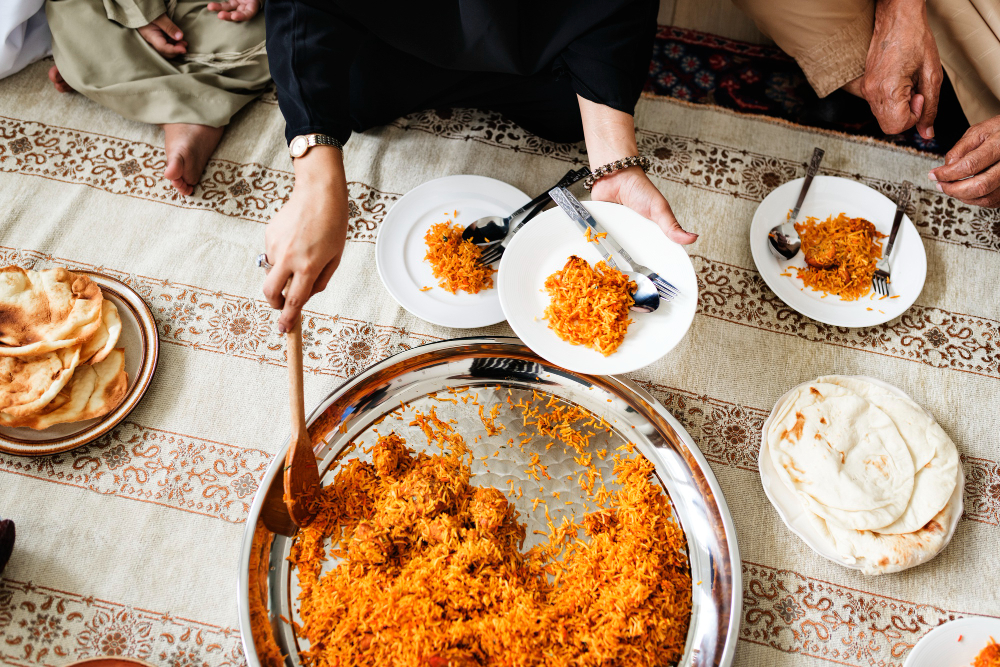
Portion control is naturally integrated into the serving style. Traditional Moroccan dining often involves sharing from a central platter, which encourages mindful eating and social interaction. When adapting this for individual plates, focusing on a vegetable-forward composition with meat as a garnish or secondary element shifts the nutritional balance toward higher fiber and lower calorie density. This approach satisfies hunger while providing a wide array of vitamins and minerals from the diverse array of spices and produce used.
Practical Tips for Streamlined Execution
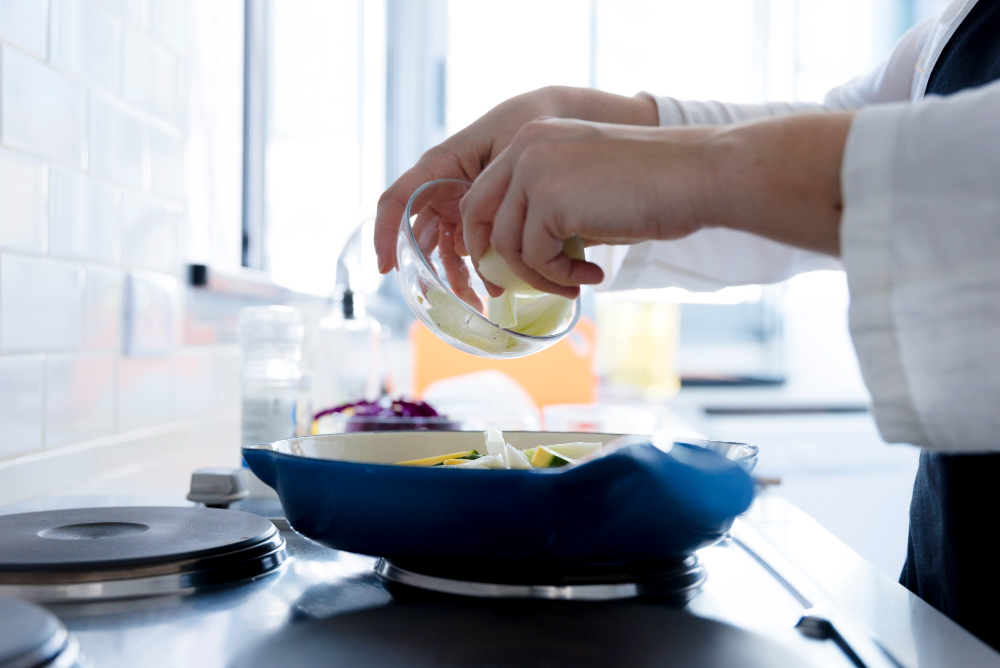
Success in executing these recipes consistently relies on a few organizational strategies. Mise en place, or having all ingredients prepared before cooking begins, is particularly important in Moroccan cooking where spices are added in stages. Chopping onions, mincing garlic, and measuring spices beforehand prevents burning and ensures even cooking. Since many recipes involve layering flavors, rushing the initial sautéing of aromatics can compromise the final taste. Taking the time to soften onions until they are translucent and golden sets a sweet, savory foundation for the dish.
Batch preparation of spice blends and bases can further streamline the process. Making a large jar of Ras el Hanout or a batch of Chermoula marinade at the beginning of the week allows for quick assembly of dinners on busy nights. These preparations store well in airtight containers in the refrigerator or pantry. Additionally, utilizing frozen pre-chopped vegetables or canned chickpeas (rinsed thoroughly) can cut prep time significantly without noticeably altering the quality of the meal. The goal is to reduce friction in the cooking process so that the focus remains on enjoying the creation of the meal rather than the stress of preparation.
Equipment maintenance also plays a role. If using a traditional clay tagine, it requires seasoning before first use and careful handling to prevent cracking due to thermal shock. However, as noted earlier, a standard Dutch oven is a durable and effective alternative that requires no special care. Investing in a good quality, heavy-bottomed pot ensures even heat distribution, which is critical for preventing scorching when cooking thick stews or toasting spices.
Frequently Asked Questions
Q: Can I make Moroccan recipes without a tagine pot?
Absolutely. A tagine pot is traditional but not essential. A heavy-bottomed Dutch oven, a cast-iron skillet with a lid, or even a slow cooker can replicate the moist, slow-cooking environment needed for tagines. The key is using a vessel that retains heat well and has a tight-fitting lid to trap steam. Many modern adaptations of these recipes are specifically designed for standard kitchen cookware to ensure accessibility for all home cooks.
Q: Where can I buy Ras el Hanout, and is it spicy?
Ras el Hanout is available in the spice aisle of most major supermarkets, specialty food stores, and online retailers. Despite its complex flavor profile, it is generally not hot or spicy in terms of heat; it is aromatic and warm due to spices like cinnamon, ginger, and cardamom. If a recipe calls for additional heat, cayenne pepper or harissa paste is usually added separately. Making your own blend is also an option if you prefer to control the specific spice ratios.
Q: Are Moroccan dinners suitable for children?
Yes, Moroccan cuisine is very family-friendly. Dishes like Kefta meatballs, chicken tagines with sweet apricots, and mild couscous bowls are often hits with younger palates. The flavors are savory and aromatic rather than aggressively spicy. Parents can easily adjust the heat level by omitting cayenne or chili peppers. The soft texture of slow-cooked meats and vegetables also makes these meals easy for children to eat.
Q: How do I prevent couscous from becoming mushy?
Mushy couscous is usually the result of too much liquid or overcooking. The standard method involves pouring boiling liquid over the dry couscous, covering it immediately, and letting it sit off the heat for five minutes. Do not continue to cook it on the stove after adding the water. After resting, fluff the grains vigorously with a fork to separate them. Using the correct ratio of liquid to couscous, typically found on the package instructions, is critical.
Q: Can these recipes be made vegetarian or vegan?
Many traditional Moroccan dishes are already vegetarian or easily adapted. Vegetable tagines with chickpeas, lentil soups like Harira (without meat), and various egg-based dishes are staples. To make a meat-based recipe vegan, simply substitute the protein with extra legumes, tofu, or hearty vegetables like mushrooms and eggplant. The spice blends and cooking techniques remain the same, ensuring the flavor profile is preserved.
Q: What is the best way to store leftover tagine?
Leftover tagines often taste better the next day as the flavors have more time to meld. Store them in an airtight container in the refrigerator for up to four days. They can also be frozen for up to three months. When reheating, add a splash of water or broth to loosen the sauce, as it may have thickened during storage. Reheat gently on the stovetop or in the microwave until thoroughly warmed.
Q: Is Moroccan food healthy?
Moroccan cuisine is considered very healthy, closely aligned with the Mediterranean diet. It emphasizes fresh vegetables, fruits, legumes, whole grains, and lean proteins, with olive oil as the primary fat source. The extensive use of spices not only adds flavor without excess salt but also provides antioxidants and anti-inflammatory compounds. Portion sizes and the balance of food groups contribute to a nutritious dietary pattern.
Concluding Thoughts on Embracing Moroccan Culinary Traditions
Integrating Moroccan dinner recipes into a family’s weekly routine offers more than just a change of pace; it introduces a culinary philosophy centered on patience, balance, and the transformative power of spices. The perception that this cuisine is reserved for special occasions or expert chefs is a misconception that dissolves upon trying a simple chicken tagine or a bowl of spiced couscous. The recipes are forgiving, the ingredients are accessible, and the results are consistently rewarding. By utilizing standard kitchen equipment and embracing the core flavor profiles of North Africa, home cooks can create meals that nourish the body and bring people together around the table.
The journey into Moroccan cooking does not require a complete overhaul of one’s pantry or lifestyle. It begins with a single jar of spice blend, a bag of couscous, and the willingness to experiment with new combinations of sweet and savory. As families become more comfortable with these flavors, they may find themselves exploring regional variations, making their own preserved lemons, or hosting themed dinner nights. The versatility of the cuisine ensures that it can grow and evolve alongside a family’s changing tastes and schedules. Ultimately, the value of these recipes lies in their ability to turn ordinary ingredients into extraordinary meals, proving that delicious, culturally rich food is within reach for every household.
For those ready to take the next step, selecting one recipe from the categories above to try this week is the best approach. Whether it is the comfort of a slow-simmered stew or the freshness of a herb-marinated fish, the experience of cooking and sharing a Moroccan meal fosters a deeper appreciation for global cuisines and the universal language of food. The kitchen becomes a place of exploration, and the dinner table a destination where flavor and tradition converge.